Why '30 Days In The Hole' Still Hits Hard
The meaning of 30 Days In The Hole Humble Pie comes down to a blunt idea: small-time drug possession can lead to humiliating punishment, and the system often feels harsher than the crime. Humble Pie turn that complaint into a swaggering hard-rock song, so it sounds rowdy on the surface even while it talks about arrest, paranoia, and jail.
"30 Days In The Hole" - Humble Pie
Ooh, ooh, ooh
Thirty days
Loading lyrics...
Unable to load lyrics
We're unable to display the lyrics at this time. Please try again later.
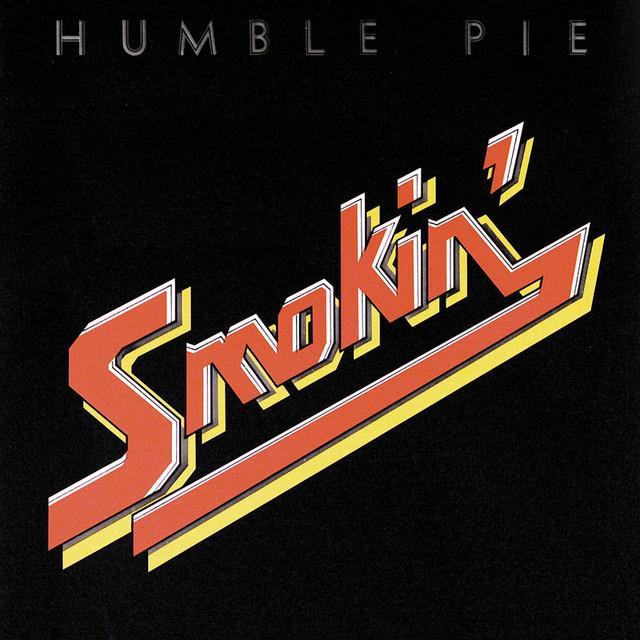
Released on Smokin’ in 1972, the track was written by Steve Marriott and recorded by a lineup featuring Marriott, Clem Clempson, Greg Ridley, and Jerry Shirley. It was later issued as a U.S. single in September 1972, though it did not become a chart hit. Still, it grew into one of the band’s signature songs through FM and classic-rock radio.[^1][^2]
The Real Target Is Punishment, Not Just Drugs
At first listen, the song can seem like a catalog of substances and party habits. The verses throw out coded names and messy details, making the world feel crowded, seedy, and unstable. But the chorus changes the frame: all that reckless motion ends with 30 days in the hole
.
That repeated line matters because it turns the song from a drug song into a punishment song. According to Songfacts, Marriott wrote it after learning that getting caught with drugs in Kentucky could mean 30 days in jail. Songfacts also says he viewed drugs as part of modern culture and the song works, in part, like a complaint against criminalization.[^1]
Interpretation: They are not hearing a clean moral lesson. They are hearing a protest wrapped in a bar-band stomp. The singer sounds like someone who knows the scene too well and resents how quickly pleasure turns into punishment.

Watch the official 30 Days In The Hole
music video
How the Verses Build a Dirty, Nervous World
The details are vivid for a reason. Phrases like Chicago Green
and Black Nepalese
are commonly understood as drug slang, while the room, spoon, and dust create a cramped atmosphere of evidence and risk. The point is not just intoxication. The point is how easy it is to get caught in a world full of residue, bad decisions, and casual danger.[^1][^2]
One of the cleverest touches is how the song suggests people can get busted for almost nothing. The imagery around leftover traces implies that even scraps can become grounds for arrest. That gives the song its sense of unfairness.
What you doin' boy?
You here for 30 days
This brief moment shifts the song into direct confrontation. Suddenly there is an authority figure talking down to the prisoner. The command to change his look and cut out your ways
makes jail sound like forced correction, not justice.
The Chorus Turns a Boast Into a Warning
The chorus is simple, catchy, and relentless. By repeating 30 days in the hole
over and over, Humble Pie make the consequence feel mechanical. No matter what happens in the verse, the same result waits at the end.
That repetition also creates tension between excitement and dread. The band sounds loose and powerful, but the message is a trap. Listeners can shout along to the line, yet the line itself is about confinement. That contradiction is a big part of why the song lasts.
Interpretation: They may hear the chorus as half warning, half bitter joke. It is memorable because it sounds like a sentence handed down by a system that does not care about nuance.
Why the Music Makes the Meaning Stronger
Musically, the song sits between hard rock and blues rock, with a thick groove rather than a frantic pace.[^2] That matters. A faster arrangement might have made it feel like pure chaos. Instead, the heavy pocket makes it feel inevitable, like the singer is sinking deeper with every bar.
Marriott’s vocal is central to the song’s meaning. He does not sing like a detached narrator. He pushes, barks, and stretches lines with a mix of humor and strain. That delivery sells both the bravado and the complaint. Clem Clempson’s guitar adds bite without overcrowding the groove, and Jerry Shirley’s drumming keeps the song lurching forward with real physical weight.
This is one reason the track became a live and radio favorite even without major chart success. The performance feels lived-in. It does not explain the scene from a distance; it throws listeners into it.[^1][^2]
Context Around Humble Pie Matters Too
By 1972, Humble Pie were known for muscular, soulful rock, and Smokin’ became one of their key albums. “30 Days in the Hole” arrived after Clempson had joined the band, replacing Peter Frampton, and the track is often tied strongly to Marriott’s personality and voice.[^1]
Its long afterlife also says something about its meaning. Many artists later covered it, including Gov’t Mule, Mr. Big, and Ace Frehley. Songfacts quotes Frehley saying there was no way he could truly reproduce a Steve Marriott vocal, calling him too good a vocalist.[^1] That kind of respect points to what keeps the song alive: not just the subject, but the force of the performance.
A Lasting Reading of the Song
So what is the meaning of 30 Days In The Hole Humble Pie? At its core, it is a tough, funny, uneasy song about how drug culture, petty evidence, and legal punishment collide. The lyrics paint a scene of temptation and excess, but the chorus keeps dragging everything back to the cell.
That is why the song still works. It is not merely about getting high. It is about what happens when a messy real-life scene meets a system ready to punish it.
Disclaimer: This interpretation separates documented facts from informed reading. Because lyrics are art, listeners may reasonably hear different meanings in the same song.
[^1]: Songfacts, “30 Days In The Hole by Humble Pie.” [^2]: Wikipedia, “30 Days in the Hole.”








