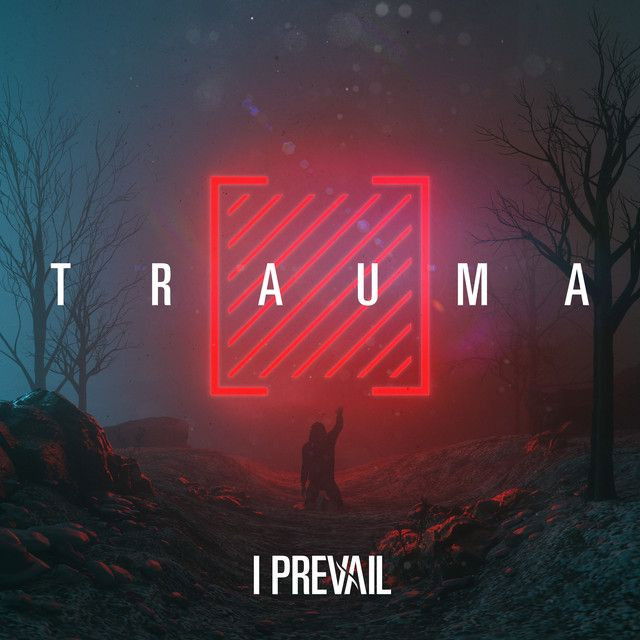
Paranoid by I Prevail
The meaning of Paranoid I Prevail starts with a simple but scary feeling: something is wrong, and they cannot turn that feeling off. The song captures the rush of anxiety, isolation, and mental overload in a way that feels immediate rather than abstract.
"Paranoid" - I Prevail
I feel it in my bones
Every time I look around it follows me home
Loading lyrics...
Unable to load lyrics
We're unable to display the lyrics at this time. Please try again later.
Released in 2019 as a single from Trauma, the track arrived during a period when I Prevail were broadening their sound without losing their metalcore punch. That matters, because “Paranoid” is not just about dark thoughts in the lyrics. It is also about how those thoughts sound when they get louder and louder inside a person’s head.
The Core Message Behind the Panic
At its heart, the song is about living under constant internal pressure. The narrator feels pursued by fear, doubt, and noise even when nobody else seems to notice. Early lines suggest that the problem follows them everywhere, almost like an invisible threat that comes home with them.
When they repeat phrases like something isn't right
and follows me home
, they are not describing one clear event. They are describing a state of mind. The fear is vague, but that vagueness is the point. Anxiety often feels real before it feels explainable.
The song also makes room for emotional emptiness. When they mention a void in the mind, the message shifts from suspicion to exhaustion. This is not only paranoia in the everyday sense. It is burnout, depression, and the stress of carrying thoughts they cannot easily share.

Watch the official Paranoid
music video
A Voice Trapped Inside Itself
One of the strongest parts of the meaning of Paranoid I Prevail is the way the narrator argues with their own mind. They keep asking whether the problem is real or whether it is inside my head
. That question is painful because they never get an answer.
This creates the song’s central tension:
- They feel danger everywhere.
- They do not know if others can see it.
- They cannot stop hearing it anyway.
That is why the line I can't escape the noise
matters so much. It turns paranoia into sound. The threat is no longer just an idea. It becomes a constant mental signal, like static that never switches off.
How the Chorus Turns Fear Into a Loop
The chorus is built to feel repetitive on purpose. Instead of offering release, it circles back to the same thought again and again. That structure mirrors obsessive thinking, where the mind revisits the same fear without solving it.
Is it all in my head?
I think I'm paranoid
Those brief lines are the emotional center of the song. They show a person trying to test reality while already half-convinced that they are losing control.
Interpretation: The chorus does not only describe paranoia. It recreates it. By repeating the question and answer, the song traps the listener inside the same loop the narrator is living through.
The Dark Images That Sharpen the Theme
I Prevail keep the imagery direct and physical. References to pressure on the body, being pushed to the edge, and hanging by a thread all make mental pain feel concrete. Instead of using poetic distance, the band uses images of strain, choking, and collapse.
That choice makes the song easier to connect with. Even if a listener has never used the word paranoia for their own life, they likely understand what it means to feel stretched thin. The body language in the lyrics gives shape to something invisible.
There is also a strong loneliness running through the song. The narrator says no one is there to listen. That detail is important because it changes the song from private fear into private fear plus isolation. They are not just overwhelmed. They feel unheard while overwhelmed.
Why the Sound Hits So Hard
The production is a huge part of the song’s meaning. I Prevail mix polished modern hard rock with metalcore weight, and “Paranoid” uses that balance well. The verses build tension with a tight, stalking rhythm, then the chorus opens up into something bigger and more explosive.
The contrast between clean melodic singing and harsher vocal force also helps tell the story. One voice sounds wounded and exposed; the other sounds like panic breaking through the walls. That push and pull gives the track emotional range instead of making it feel one-note.
On Trauma, the band leaned into themes of pain, survival, and mental health. “Paranoid” fits that world perfectly. Its guitars feel urgent, the drums hit like a racing heartbeat, and the stop-start dynamics mimic spiraling thoughts. The result is a song that does not merely discuss anxiety. It sonically performs it.
Artist Context and Listener Response
I Prevail have often written songs that connect heavy music to emotional struggle, and “Paranoid” is one of their clearest examples. The writing credits for the song go to Steve Menoian, Eric Vanlerberghe, and Brian Burkheiser. Their teamwork shows in how tightly the lyrics and arrangement work together.
The song also connected because it was released at a time when more rock and metal bands were speaking openly about mental strain. That gave listeners a language for feelings that had often been hidden behind anger alone. “Paranoid” does not glamorize suffering. It sounds distressed, confused, and desperate.
Interpretation: Some listeners may hear the song specifically as an anxiety attack set to music. Others may hear depression mixed with fear. Both readings fit the text, because the lyrics blur emotional categories in a realistic way.
Final Take on the Song’s Meaning
The meaning of Paranoid I Prevail is about what happens when fear becomes constant background noise. The song shows a person who feels hunted by their own thoughts, cut off from help, and unsure whether the danger is external or internal.
That is why the track stays powerful. It translates mental overload into rhythm, repetition, and impact. They make panic sound physical.
Disclaimer: This interpretation is based on the lyrics, available song context, and musical analysis. As with most songs, listeners may connect with different meanings.








