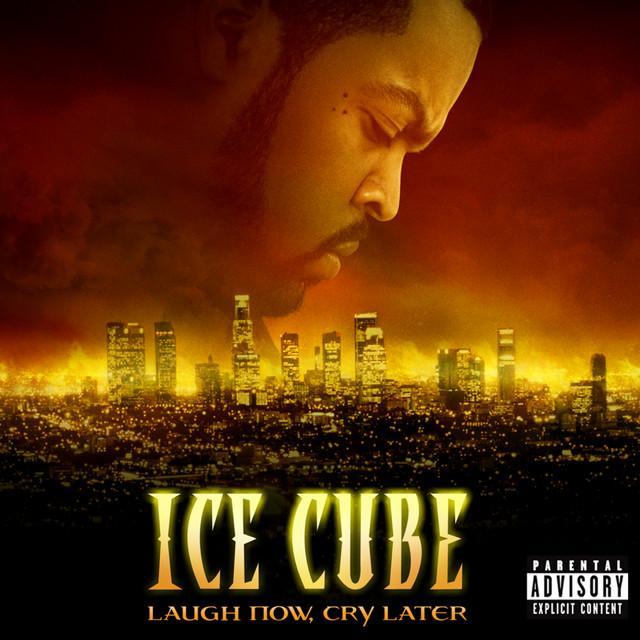
Why We Thugs by Ice Cube
The meaning of Why We Thugs Ice Cube starts with a blunt question: who creates the conditions that lead to violence, then acts shocked by the outcome? On this 2006 single, they do not present “thug” behavior as random evil. They present it as a social product—something shaped by poverty, drugs, policing, prison, and political neglect.
"Why We Thugs" - Ice Cube
Then wonder why in the fuck we thugs
They wanna count the slugs
Loading lyrics...
Unable to load lyrics
We're unable to display the lyrics at this time. Please try again later.
Released as the lead single from Laugh Now, Cry Later on April 13, 2006, the track was produced by Scott Storch and became one of Ice Cube’s clearest later-career protest records. According to available release data, it runs 3:44 and was issued through Lench Mob, Virgin, and EMI. It also references public figures and cultural touchstones from George W. Bush to Boyz n the Hood. Those details matter because they show the song is not just personal rage; it is social commentary. See the listed release information and credits on the song’s reference page.
A Hook That Blames the System
The chorus gives the song’s full argument in simple language. Ice Cube says society gives communities guns and drugs
and then wonders why people become thugs
. In other words, they are accusing institutions of helping create the problem before punishing the people trapped inside it.
That repeated idea makes the song feel less like a confession and more like an indictment. Each return to the hook widens the target. The blame is not only on individuals making bad choices. It is also on systems that normalize danger, remove opportunity, and then measure the damage in bodies and prison terms.
Watch the official Why We Thugs
music video
Street Story, Political Frame
In the first verse, they describe growing up in a place where gang violence feels normal and unchanging. When Ice Cube says he comes from the land of the gang bang
, he is setting the scene, but he quickly expands that scene into politics. The mention of Bush and Saddam Hussein connects neighborhood violence to state violence and power.
Interpretation: This comparison suggests that the chaos in the street mirrors the chaos of leadership above it. They are saying the people at the top use force too, even if society gives their violence better names.
The verse also asks who really built the prison system and who designed lower living
. That wording shifts attention from individual crime to structural design. Housing projects, over-policing, and harsh sentencing are treated as causes, not just consequences.
From the Courtroom to the Cell
The second and third verses move from neighborhood tension into the justice system. Ice Cube describes arrest, court, family separation, and the feeling of becoming state property. The song’s emotional center is not only fear of death. It is the loss of control once the system takes over.
One of the sharpest ideas comes when he compares incarceration to ownership. That image ties modern punishment to older histories of racial control. They are not making a legal argument line by line. They are making a moral one: the system claims to protect society, yet often treats certain communities as disposable.
A brief lyric passage captures that pressure:
Grandmama came to court with her bible
But when the judge hit the gavel
Those lines show how personal hope collides with institutional power. Family, faith, and dignity are present, but they do not stop the machinery of punishment.
Why the Song Keeps Saying Every Hood Is the Same
Near the end, the song repeats that Every hood's the same
. This is important to the meaning of Why We Thugs Ice Cube because it broadens the message beyond one block, one gang, or one city. They are arguing that the pattern is national.
That ending also pushes back against a common excuse: treating urban suffering as some isolated local failure. Ice Cube’s point is that if the same pain appears everywhere, then the source is larger than any one person. The repetition makes the song sound weary, but also certain.
The Beat Turns Anger Into Control
Scott Storch’s production helps the message land. The instrumental is polished, heavy, and deliberate rather than chaotic. That matters because the song is angry, but it is not out of control. The beat gives Ice Cube a steady platform, letting each accusation sound measured and intentional.
Interpretation: That contrast strengthens the song. If the music were messy, the message might feel like pure ranting. Instead, the clean groove makes the criticism feel organized, almost prosecutorial. The listener hears not just emotion, but a case being built.
Ice Cube’s Larger Context
By 2006, Ice Cube had already built a career that moved between rap, film, and cultural commentary. A song like this connects back to the political edge heard earlier in his catalog, even as it arrives in a later stage of his career. The reference to Boyz n the Hood is especially telling because it ties the song to his long-standing interest in how Black urban life gets seen, feared, and misunderstood.
The track’s public framing supports that reading. It was released as the first single from Laugh Now, Cry Later, and the video reportedly included a cameo by comedian Mike Epps. Those facts help place it as a visible statement piece, not a hidden album cut.
The Lasting Meaning
At its core, “Why We Thugs” says labels like “thug” often hide deeper causes. Ice Cube does not ask listeners to ignore violence. They ask listeners to ask where it comes from, who benefits from the cycle, and why punishment arrives faster than help.
That is why the song still hits. It turns a loaded stereotype into a political question.
Disclaimer: This article offers a good-faith interpretation of the song based on its lyrics, context, and available credits. Meanings can vary by listener.








