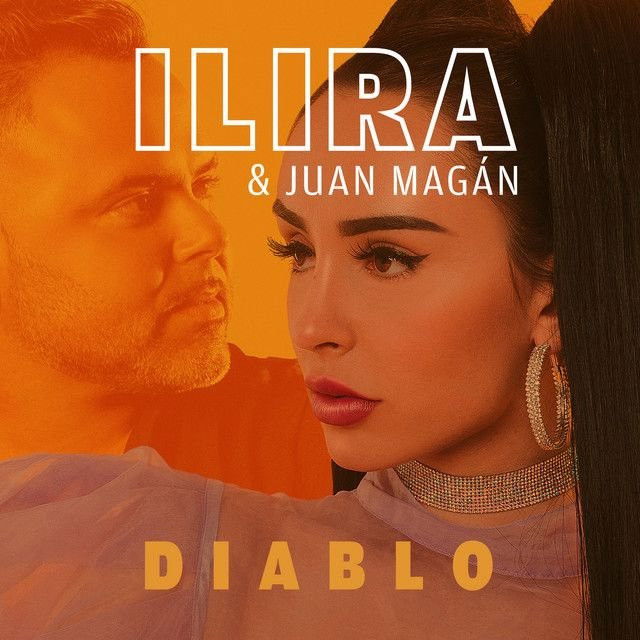
Why 'DIABLO' Turns Romance Into a Warning
The meaning of DIABLO ILIRA, Juan Magán centers on a painful mismatch: one person offers passion and excuses, while the other realizes that desire is not the same as love. The song uses a simple but sharp symbol. In Spanish, “diablo” means “devil,” as noted by Wikipedia, and the track turns that idea into a picture of someone who looks charming on the outside but behaves selfishly underneath.
"DIABLO" - ILIRA, Juan Magán
Juan Mágan, Juan Mágan
Mouthful of pretty lies
Loading lyrics...
Unable to load lyrics
We're unable to display the lyrics at this time. Please try again later.
Rather than tell a complicated story, the song builds its meaning through contrast. It sets sweetness against danger, intimacy against distrust, and apology against repeated harm. That is why the chorus hits so hard: it names the partner as turned into Diablo
, not because they were literally evil, but because their behavior now feels deceptive, consuming, and destructive.
The Heart of the Song: Seduction Without Safety
At its core, “DIABLO” is about seeing through a toxic relationship. The narrator is drawn in by attraction and sweet words, but they slowly understand that this connection runs on heat, not care. Early lines describe lies as beautiful and temptation as explosive, which frames the relationship as thrilling but unstable.
That emotional trap becomes clearer in the chorus. When the singer says the other person is hiding under the halo
, the song points to false innocence. The partner presents themselves as loving and harmless, yet their actions suggest manipulation. The image of a halo matters because it flips a holy symbol into a disguise.
The song’s most painful idea arrives when the narrator feels valued for physical pleasure but not for real commitment. That is the emotional center of the track. Interpretation: the song argues that being desired can still feel lonely when affection never becomes respect.

Watch the official DIABLO
music video
Two Voices, One Broken Dynamic
A big reason the song works is the duet structure. ILIRA’s sections sound like accusation, clarity, and hurt. Juan Magán’s Spanish verse changes the angle by giving the other side a chance to answer.
His verse does not fully deny the damage. Instead, he says he is not a devil, only a normal man, and admits guilt. That response matters because it sounds human rather than cartoonishly cruel. Still, the defense is weak. He explains himself, apologizes, and claims deep feeling, but he never really disproves the pattern she describes.
No soy un diablo
soy un hombre normal
Those lines are important because they show the gap between self-image and impact. He sees himself as flawed but ordinary. She experiences him as emotionally dangerous. Interpretation: the song suggests that harm does not need monstrous intent to feel devastating.
How the Verses Build the Case
The first verse introduces the cycle. The partner lies, creates emotional pressure, and keeps pulling the narrator back in. Even when the narrator knows better, attraction overrides judgment. That is what gives the song its tension: they are not confused about the pain, but they are still vulnerable to the chemistry.
The next verse expands the pattern. Images like walls here are closing in
and bedroom locks suggest fear, pressure, and the wish to protect oneself. Yet one touch changes everything. The body reacts before the mind can stay firm.
Later, the song describes excuses, blame-shifting, and repeated empty promises. One of the sharpest ideas is that the partner keeps recycling the same lines. In other words, this is not one mistake. It is a routine.
A useful way to read the narrative is in three beats:
- Attraction makes the relationship feel intense.
- Repeated dishonesty reveals the pattern.
- The chorus names that pattern for what it is.
That movement gives “DIABLO” its emotional payoff. The singer goes from being overwhelmed to being able to label the problem.
Why the Chorus Feels So Strong
The chorus is catchy, but it also carries the song’s argument. The title word is dramatic, easy to remember, and emotionally vivid. By calling the partner “Diablo,” the song turns private heartbreak into a symbol anyone can grasp.
Just as important is the phrase sweet talk
. The song is not only attacking cruelty. It is attacking charm used as a weapon. That makes the track more relatable, because many unhealthy relationships are not built on open hostility at first. They begin with intensity, flattery, and just enough tenderness to keep hope alive.
Interpretation: the chorus is less about demonizing an ex and more about naming the moment when attraction loses its power to hide the truth.
Production That Sells the Push-Pull Feeling
Musically, “DIABLO” blends sleek pop with Latin dance energy, which fits both artists well. ILIRA has built a career in polished European pop, while Juan Magán is widely associated with electro-Latino and club-ready crossover sounds through his long discography and collaborations on his official site. That combination matters to the song’s meaning.
The beat keeps the track moving, almost like a late-night anthem, but the lyrics tell a darker story. This contrast mirrors the relationship itself: seductive on the surface, damaging underneath. The production is clean and rhythmic, which makes the hook feel addictive. That musical “pull” supports the theme of being drawn back to someone they should resist.
The vocal interplay helps too. ILIRA’s delivery carries sting and disappointment, while Magán’s verse adds warmth and regret. Together, they create a conversation where apology never fully heals betrayal.
Final Take on the Meaning of DIABLO ILIRA, Juan Magán
The meaning of DIABLO ILIRA, Juan Magán is ultimately about recognizing that passion can hide emotional neglect. The song frames a lover as devilish not because they are pure evil, but because they hide selfish behavior behind desire, charm, and apologies.
That is why the track lasts in the mind. It is danceable, but it is not carefree. It captures the moment when someone stops confusing chemistry with love and starts seeing manipulation for what it is.
Disclaimer: This interpretation is based on the released lyrics, performance, and available artist context. Like most pop songs, “DIABLO” can support more than one reading.









