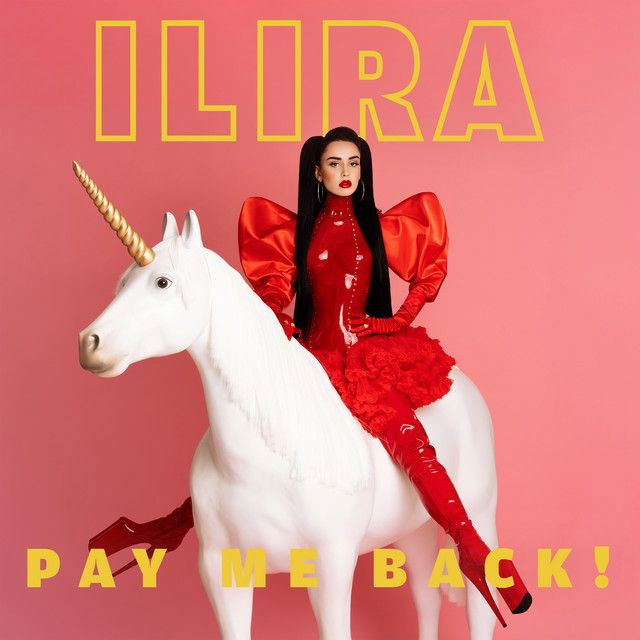
Why ‘PAY ME BACK!’ Turns Heartbreak Into a Bill
The meaning of PAY ME BACK! ILIRA starts with a clever idea: this is not just a breakup song. It is a breakup song told like a debt dispute. Instead of saying only that someone was selfish, the track turns romance into a running tab. That makes the anger feel vivid, funny, and easy to understand.
"PAY ME BACK!" - ILIRA
Honey, you had your greedy little hands on me
Crushed, thought you'd come for free
Loading lyrics...
Unable to load lyrics
We're unable to display the lyrics at this time. Please try again later.
ILIRA, the Swiss singer-songwriter born Ilira Gashi, released “Pay Me Back!” in 2019, during a busy run of singles that helped define her early pop identity. Public career summaries note that she broke through with songs like “Fading” and released “Pay Me Back!” the same year, with the single later reaching the Polish airplay chart. See Wikipedia’s artist overview for the release timeline and chart note.
The Real Hook: Love as a Financial Loss
At its core, the song is about being used by a partner who took more than they gave. The speaker feels emotionally drained, but the song sharpens that pain by talking about literal costs too: rent, dinners, movie nights, and everyday labor. In plain terms, they are saying the ex did not just break trust. They left a bill behind.
That is why the repeated demand pay me back
lands so hard. It is not only about cash. It also stands for time, effort, and care that can never really be returned.
Interpretation: The song suggests that after some relationships end, people do not only grieve the person. They grieve the version of themselves that kept giving.

Watch the official PAY ME BACK!
music video
A Narrator Who Sounds Done With Excuses
The voice in the song is direct, sarcastic, and tired of being fooled. Early on, the ex is compared to a gambler, with the image slot machine
turning romance into a rigged game. That metaphor matters because it implies risk, addiction, and a system built for one side to win.
Later, the speaker says I'm no ATM
. That quick line captures the whole power struggle. They are rejecting the role they were pushed into: provider, fixer, and endless source of support.
How the Verses Build the Story
The verses move in a simple, effective sequence:
- They describe the ex as greedy.
- They remember how much they spent.
- They show that promises were empty.
- They end by demanding repayment.
One especially sharp image is the line about the ex who took my credit card
. Even without reading it literally, the point is clear. The relationship crossed from unfair into exploitative.
There is also a useful contrast between sweet memory and bitter reality. The song mentions summer fun and fantasy-world romance, then undercuts it with debt and disrespect. That contrast gives the track its sting: what looked magical was actually expensive in every sense.
The Chorus Makes the Joke Hurt More
The chorus is catchy, but it is not light. It lists specific shared expenses and then circles back to the same demand. By naming ordinary activities, the song shows how imbalance can hide inside normal dating rituals.
witness stand
honest man
never chipped in
This brief legal language adds another layer. The breakup starts to sound like a court case. The speaker is no longer pleading for love. They are presenting evidence.
Interpretation: That courtroom framing makes the song feel empowering. Instead of asking what went wrong, the narrator acts like they already know and want accountability.
Symbols That Keep the Song Fun and Sharp
Several images do a lot of work in very few words.
Money imagery
The song is full of tabs, swipes, debt, checks, and bankruptcy. These words make emotional exploitation feel concrete. Anyone can picture what it means to overpay.
Pop-culture references
The song uses familiar images like Disneyland, Uncle Sam, and Peter Pan. Each one adds a different shade of meaning:
- Disneyland suggests fantasy, escape, and idealized romance.
- Uncle Sam hints at constant taking or unfair demands.
- Peter Pan points to immaturity and refusal to grow up.
Those references help the song stay playful even when the feeling underneath is frustration.
How the Sound Supports the Meaning
Even without a full production breakdown from official credits, the track reads as sleek, modern pop: tight rhythm, bright hooks, and a punchy chorus built for repetition. That matters because the song’s sound does not collapse into sadness. It moves.
The energetic production helps turn resentment into confidence. Rather than sounding defeated, the singer sounds like they are reclaiming control. The bounce in the beat gives the complaint attitude, almost like they are rolling their eyes while dancing out the door.
That balance is a big part of ILIRA’s appeal from this era. As artist profiles note, they built momentum in the late 2010s with bold, personality-heavy pop releases rather than quiet confessionals. Wikipedia’s discography summary places “Pay Me Back!” among those defining 2019 singles.
Artist Context Helps Explain the Tone
The credited songwriters are Ilira Gashi, Jaro Omar, Lennard Oestmann, Max Wolfgang, and Pascal Reinhardt, according to the information provided for the track. That team-written structure fits a song built on a very clean concept: one emotional complaint, sharpened through memorable images and a big pop refrain.
ILIRA’s public career story also matters here. They emerged as a songwriter and performer with a strong pop instinct and an ear for sticky hooks. In that context, “Pay Me Back!” sounds like a smart example of commercial pop using humor to talk about a very real kind of hurt.
So What Is the Song Really Saying?
The best reading is simple: the song is about leaving a one-sided relationship and finally naming the cost. The speaker wants repayment, but they also know some losses cannot be recovered. That tension gives the song both its comedy and its bite.
The meaning of PAY ME BACK! ILIRA is not just “my ex owes me money.” It is “my ex took advantage of my love, labor, and loyalty.” The financial language makes that message feel fresh, but the emotional truth is older and more universal.
In the end, the song turns frustration into a hook and humiliation into self-respect. That is why it sticks.
Disclaimer: This article offers an interpretation of the song based on its lyrics, release context, and public artist information. Meaning in music can remain open, and listeners may hear it differently.








