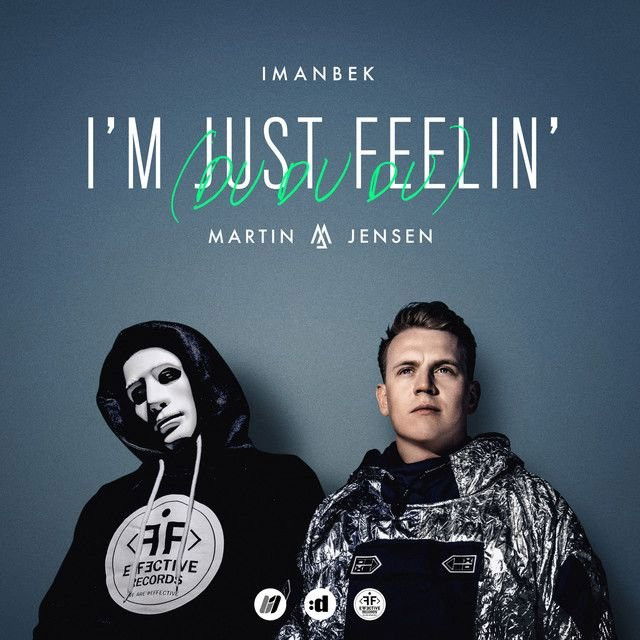
Why 'I'm Just Feelin' (Du Du Du)' Hits So Easy
They don’t need a full sentence to explain the mood. One chant—du-du—does the job. This track by Imanbek and Martin Jensen captures the exact moment when stress drops and the night opens up.
"I'm Just Feelin' (Du Du Du)" - Imanbek, Martin Jensen
To treat myself with that gift
My body says, "I don't need it"
Loading lyrics...
Unable to load lyrics
We're unable to display the lyrics at this time. Please try again later.
The Feeling They Bottle, Not Just the Words
At its core, the song is about release and connection. After a long day, the narrator craves a jolt of life—heard in the line Can't wait to get off my shift
. They want the night to flip a switch.
Interpretation: the chorus’s wordless hook turns emotion into sound. Instead of explaining joy, the track lets listeners feel it. That’s why the chant works everywhere—no translation needed.
For searchers wondering about the meaning of I'm Just Feelin' (Du Du Du) Imanbek, Martin Jensen: it’s a rush anthem. It blends post-work relief, romantic focus, and club euphoria into one simple message—let go and move.
Watch the official I'm Just Feelin' (Du Du Du)
music video
Who’s Talking, and Who Lights the Fuse?
The narrator speaks in first person and aims their attention at one person. When they say It's you
, it’s clear that this partner is the spark. Together, they shut out the noise: We don't need no others
.
Interpretation: the song frames the dance floor as a private world. Even in a crowd, the pair creates a bubble where confidence and calm rise. The romance isn’t heavy or dramatic; it’s about feeling seen in a loud space.
From Clock-Out to Cloud Nine: A Mini Timeline
- Work ends: the relief is instant (
Can't wait to get off my shift
). - The wish: they crave a night where they feel larger-than-life, even adored (
Treat me like I'm the baddest of them all
). - The partner arrives: focus narrows to one face (
It's you
). - The room softens: imagery turns dreamy (
All I see is roses
), like the lights blur and sway. - The drop hits: reason gives way to rhythm (
I lose my mind
), and the chant carries the rest.
Each beat moves from tension to release, and from solo stress to shared joy.
Symbols That Glow: Roses, Slow Motion, and Status
The recurring roses image—All I see is roses
—signals warmth and romance, but also a filter over the night. “Slow motion” suggests the classic club-time shift when the body locks to the kick and the outside world fades. When they ask to be treated like the “baddest,” they’re reaching for a pop-star version of themselves. Interpretation: the song links love, status, and sound. With the right person and the right beat, they feel famous in their own movie.
How Production Sells the Story
Imanbek’s fingerprint is a tight, slap-house bass that thumps under a four-on-the-floor kick. Martin Jensen brings bright, melodic layers and a hook built for sing-alongs. The drop leans on percussive syllables—the du-du vocal—stacked with plucky synths and sidechained pads.
Musically, it’s engineered for instant payoff. Verses sit lighter, leaving space for the chorus impact. When the low end swells, the body reads it as permission to move. Interpretation: the production mirrors the lyrics’ arc—from anticipation to ecstatic release.
Why the Chorus Works Better Than Full Lyrics
Chants like du-du turn the crowd into part of the instrument. They also travel further than a clever line because they’re rhythm first, language second. By keeping the hook syllabic, the track invites every listener in, even if they’ve never heard it before.
This choice also underscores the theme: sometimes there is no reason, only feeling. The narrator admits they can’t explain it, and that honesty makes the joy sound true.
Alternate Ways to Hear It
- Interpretation 1: Escapist love. The partner is a safe harbor after a draining shift. The club becomes a sanctuary, and roses mean calm in chaos.
- Interpretation 2: Self-confidence anthem. The “baddest” line isn’t literal fame; it’s mood armor. With the right energy, they wear main-character confidence for one night.
Both readings fit because the song focuses on sensation, not plot. It leaves space for personal stories.
Credits, Craft, and Context That Matter
The song credits Imanbek Zeikenov and Martin Jensen alongside Viktor Broberg, Moa Pettersson Hammar, Sebastian Atas, and Victor Sjoestroem. That mix explains the hybrid feel: club-ready bass, earworm toplines, and a chant that sticks. As producers, Imanbek and Jensen keep the arrangement clean so the hook cuts through.
Takeaway You Can Feel, Not Just Read
This track captures the instant when duty ends and desire begins. It’s about trusting the body over the brain, letting rhythm lead, and finding the person who flips your night from gray to neon.
Interpretation note: Song meanings are subjective. This reading blends lyrical cues, production choices, and common listener experience; individual interpretations may vary.








