
Headlock by Imogen Heap
They come to Headlock looking for a lifeline, and that’s what Imogen Heap offers. The meaning of Headlock Imogen Heap is about shaking off paralysis—emotional, creative, even practical—and choosing motion over fear. It’s a pep talk wrapped in ethereal electronics, aimed at someone who’s convinced it’s safer to stay stuck.
"Headlock" - Imogen Heap
This weather's bringing it all back again
Great adventures, faces in condensation
Loading lyrics...
Unable to load lyrics
We're unable to display the lyrics at this time. Please try again later.
A Grip On Fear, Not on You
The song’s central image—heart in a headlock
—is a vivid way to say fear has the upper hand. Headlocks restrict breath and movement; so does anxiety. Heap pushes back on defeatist thinking like too late to start
, rejecting the idea that time has passed them by. Interpretation: the “lock” is self‑applied, and the key is action.
Watch the official Headlock
music video
Who’s Speaking, And Why It Feels Intimate
Headlock is written in second person, so it sounds like a caring friend—or a brave inner voice—speaking to someone spiraling. Lines such as you know you’re better than this
feel like tough love, delivered gently. They aren’t scolding; they’re reminding. Interpretation: the narrator believes the listener’s potential is intact, just pinned down by habit.
From Foggy Windows to Fresh Starts
The song opens with sensory flashes—misty glass, changing weather—then urges small, doable shifts. When Heap urges them to wear a different pair
, it reads like advice to change perspective, not just shoes. A stranger’s smile, a step outdoors, a new route home—tiny moves loosen big knots. Interpretation: motion, however minor, breaks the stalemate.
The Chorus As A Wake‑Up Call
The hook circles back to that immobilizing hold: heart in a headlock
. By repeating it against buoyant harmonies, Heap reframes the problem: naming the fear is the start of beating it. The parenthetical chant—how can you lose?
—pushes the listener past perfectionism toward first steps.
Symbols You Can Hear And See
- Condensation and weather: shifting outlooks, memory returning, the mood lifting.
- Machines watching:
monitoring you, like machines do
suggests numb routine and the feeling of living on autopilot. - Station vs. motion: being “posted” contrasts with the song’s gentle nudges to move. Interpretation: these images sketch a life paused—and a hand, offered, to press play.
How The Sound Tightens And Then Lets Go
Headlock’s arrangement is a study in tension and release. Heap’s layered vocals float above an intimate pulse; plucked mbira and shimmering vibraphone add bright, glassy textures while electronic beats and upright bass ground the track. As the chorus swells, her harmonies stack like an encouraging crowd. Interpretation: the production mimics the struggle—tight verses, then a widening chorus where air rushes in.
Context That Deepens The Message
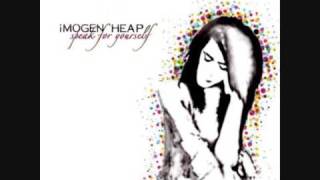
Headlock appears on Speak for Yourself (2005), the album Heap self‑funded and produced after label setbacks. It later became a single and built a long tail, resurfacing in 2024 via viral gaming edits before notching Heap’s first Hot 100 entry in early 2025. These milestones echo the song’s thesis: persistence can outlast the moment and break through later. Interpretation: the track’s journey mirrors its advice—keep going.
Alternate Angles That Still Fit
- Relationship lens: The narrator addresses someone in a draining dynamic, urging them to stop romanticizing the past and choose self‑respect.
- Creative lens: It’s Heap’s inner coach speaking to herself (and to artists like her), pushing past industry fear and routine into bolder experiments. Both read naturally because the language is personal but open, and the metaphors apply to many kinds of stuckness.
Takeaway: Loosen The Hold, Start The Heart
The meaning of Headlock Imogen Heap lands like a kind ultimatum: stop letting fear make your choices. Try the small change, take the first step, and momentum will meet you. Interpretation is subjective; this article offers one informed reading based on lyrics, sound, and public context.








