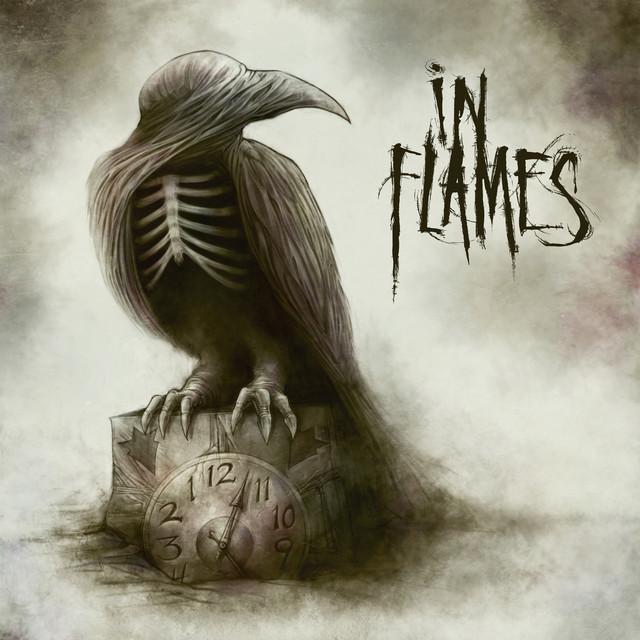
Sounds Of A Playground Fading by In Flames
Why This Song Feels Like a Goodbye
The meaning of Sounds Of A Playground Fading In Flames centers on loss, aging, and the fear of becoming disconnected from the world that once felt alive. Even before the chorus lands, the song suggests a person searching for clarity in a noisy, damaged modern life. They are not simply sad. They are trying to understand what remains when innocence, certainty, and shared purpose begin to disappear.
"Sounds Of A Playground Fading" - In Flames
The message is in the silence
Whisper words to calm your mind
Loading lyrics...
Unable to load lyrics
We're unable to display the lyrics at this time. Please try again later.
The title does a lot of the emotional work. A playground usually points to youth, freedom, and community. If its sounds are fading, that suggests more than getting older. It hints that joy itself is becoming distant, like a memory that cannot fully return.

Watch the official Sounds Of A Playground Fading
music video
The Core Message Beneath the Chorus
At the heart of the song is a blunt image of alienation. When the band sings ghosts of the concrete world
, they paint people as emotionally present but spiritually drained. They still move through cities, routines, and systems, but they no longer feel rooted.
That idea gets even darker with dying breed
. The speaker seems to fear that something human is vanishing: innocence, empathy, or maybe a sense of real connection. Then the line Will I be left behind
shifts the song from broad social commentary to personal anxiety. This is not only about society changing. It is about whether they can survive that change without losing themselves.
Interpretation: the chorus works as both diagnosis and confession. It says the world is becoming colder, but it also admits a private fear of obsolescence.
Verse Details That Build the Theme
The opening verse is quieter and more inward. The song suggests that meaning may be found in stillness, even in the silence
. That matters because the rest of the track lives in tension: inner reflection versus an overpowering outside world.
Later, the line I am what I've done
gives the song a moral weight. The speaker is not blaming only society. They also seem to be judging themselves through past actions, choices, and failures. That makes the song more complex than a simple complaint about modern life.
There is also a strong sense of helplessness in the image of an empty chamber
. It can suggest emotional emptiness, creative burnout, or a mind that has run out of answers. When paired with the idea of being part of a plan, the song starts to sound like someone realizing they have been shaped by forces larger than themselves.
A Brief Look at the Song's Turning Point
The bridge sharpens the urgency. The speaker says time is running out and struggles to remember what started this decline in the first place. That is one of the song's smartest moves: it shows not just pain, but confusion.
We're running out of time
Can't seem to recognize
What put us here in the first place
These lines push the song from private reflection into something wider. The crisis is not fully personal anymore. It feels generational, even cultural.
How In Flames' Context Shapes the Meaning
This song is the title track of In Flames' 2011 album, released during a period when the band was continuing its move from early melodic death metal toward a more modern, accessible metal sound. According to the band's album page, it was also the first album with guitarist Niclas Engelin as a full member, following lineup changes that gave the era a sense of transition.
That context matters. A song about fading worlds and uncertain identity hits differently when the band itself was navigating change. In Flames had long been associated with the Gothenburg metal scene, but by this period they were balancing melody, groove, and emotional directness in new ways. The song can be heard as reflecting that uneasy movement between past and future.
How the Sound Carries the Lyrics
Musically, the track supports its themes with contrast. The guitars are heavy and sharp, but the arrangement leaves room for melody. That creates a push-pull feeling: aggression on the surface, grief underneath.
Anders Fridén's vocal delivery is especially important. He does not sound detached. He sounds strained, as if the words are being forced out by pressure. That gives emotional force to the song's central fear of losing connection.
The production is polished but not soft. Drums and guitars drive forward with urgency, while the chorus opens into a larger, more anthemic space. In practical terms, that means the song feels both intimate and public, like a private breakdown turned into a communal shout. Reviews from outlets like Loudwire noted the album's strong melodic focus, and that melodic clarity helps the message land.
Two Strong Ways to Read It
Reading One: The Loss of Innocence
The most direct reading is that the song is about growing older in a world that no longer feels welcoming. The fading playground becomes a symbol of childhood slipping away. In this view, the song mourns lost innocence while asking what adulthood has really delivered.
Reading Two: A Crisis of Identity in Modern Life
A second reading is more social. The concrete world suggests urban life, systems, technology, and emotional numbness. In this interpretation, the song asks what happens when people become disconnected from memory, community, and purpose.
Both readings fit because the lyrics move between the personal and the collective. That fluidity is a big part of why the song still resonates.
What the Song Ultimately Says
The meaning of Sounds Of A Playground Fading In Flames is not just that something beautiful has been lost. It is that people often realize the loss too late, when they are already wondering how they got so far from themselves.
That is why the song lingers. It mixes memory, regret, and urgency without offering an easy fix. They present fading innocence not as a sentimental idea, but as a real emotional injury.
Disclaimer: This interpretation is based on the lyrics, the song's musical choices, and publicly available band context. Like many songs, it remains open to personal meaning.







