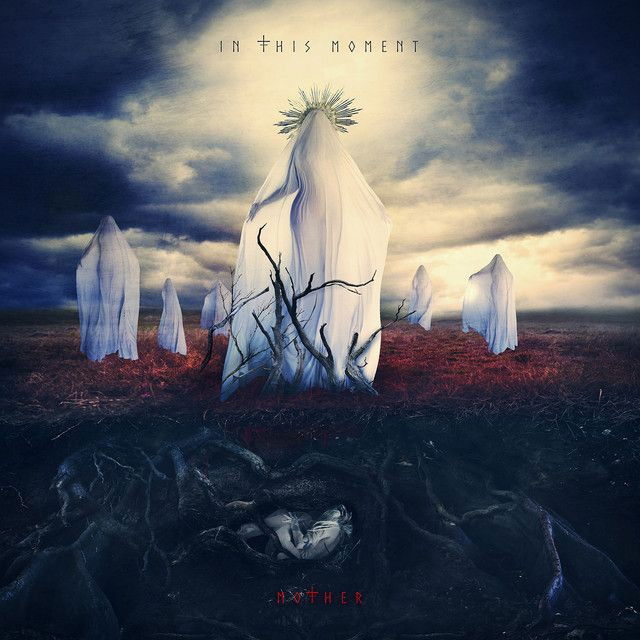
The Meaning Behind The In-Between by In This Moment
The meaning of The In-Between In This Moment centers on a person split by opposing messages about who they are. The song stages a battle between purity and shame, love and violence, heaven and hell. Instead of neatly resolving that fight, it shows what it feels like to live inside it.
"The In-Between" - In This Moment
My father said that I would burn
My mother said I was an angel
Loading lyrics...
Unable to load lyrics
We're unable to display the lyrics at this time. Please try again later.
Released as a single from Mother in 2020, the track came during a period when In This Moment kept pushing their mix of metal, theatrical imagery, and personal confession. According to the band’s official album information, Mother framed many of its songs around identity, power, and feminine symbolism. That context matters here: this is not just a shock-heavy anthem. It is a song about being judged from both sides until the self starts to split.
A War Built From Other People’s Voices
The verses begin with parental language. One side calls the speaker sacred; the other predicts corruption. Those mixed messages create the song’s deepest wound. The narrator has heard they are chosen and condemned, innocent and ruined, often at the same time.
That is why the line about a holy war
matters so much. The conflict is not only social or religious. It has moved inward. The person speaking starts to police and punish themselves because outside voices have become part of their own mind.
Interpretation: this makes the song feel like a portrait of internalized judgment. Whether listeners hear family pressure, religious shame, or abusive labeling, the emotional result is the same: they are trapped in a fight over their own worth.
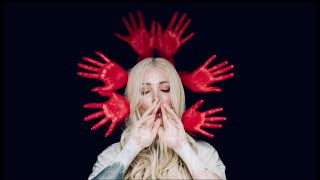
Watch the official The In-Between
music video
Why the Chorus Refuses a Simple Identity
The chorus is the clearest statement of purpose. When the song says a little hell
and a little heaven
, it rejects the idea that a person must be one clean thing. The narrator contains tenderness and fury together.
That does not sound like confusion alone. It also sounds like defiance. People around the narrator seem to want a spectacle, asking for more pain, more scandal, more damage. In response, the speaker gives them a larger-than-life self that is dangerous, wounded, and powerful all at once.
In between, in between
In between hell and heaven
This short refrain gives the song its title and theme. They are not comfortably saved or fully damned. They exist in the unstable middle, which is where many people actually live.
The Song’s Most Important Question
One of the most revealing moments is the repeated challenge, Is this what you wanted?
Before and after it, the song describes identity as something shaped by accusation and desire. Other people have named the speaker, pushed them, and possibly helped create the very chaos they now fear.
That question changes the song from confession into confrontation. It suggests the narrator did not invent this divided self alone. They were taught it. They were pushed into seeing themselves through extreme labels, and now they throw that image back at the world.
Interpretation: this can be read as a critique of systems that create “monsters” by treating people as impure, broken, or disposable. The song does not excuse harm, but it does ask who benefits from pushing someone toward self-destruction.
How Maria Brink’s Writing Shapes the Meaning
The user-supplied information credits Maria Brink as the writer, and that fits the song’s intensely personal voice. Brink has often built In This Moment songs around transformation, feminine power, pain, and rebirth, as seen across the band’s discography and official releases.
Here, the writing uses stark opposites instead of subtle shades. Holy and dirty. Angel and killer. Worthless and worthy. That extreme language mirrors the emotional trap. When someone is raised under all-or-nothing judgments, they may stop believing in ordinary complexity. The song’s world becomes dramatic because the narrator’s inner life feels dramatic.
How the Sound Turns Emotion Into Theater
Musically, the track supports that split identity with contrast. In This Moment are widely described as blending alternative metal, industrial textures, and theatrical hard rock, including by Roadrunner Records and major music outlets covering the band. “The In-Between” leans into that formula.
The verses feel tense and controlled, almost like a confession through clenched teeth. Then the chorus opens into a larger, punishing release. Heavy guitars and pounding drums make the inner battle sound physical. Electronic touches and layered production add a ritual-like feel, which suits the song’s religious imagery.
Most important is Brink’s vocal performance. She moves between vulnerable phrasing and commanding intensity, so the song never stays in one emotional place. That shift is the point: the voice itself sounds caught between hurt and dominance.
Two Strong Readings of the Song
Reading One: A Portrait of Religious and Family Shame
The clearest reading is that the song explores what happens when a person grows up under competing moral judgments. They are praised as pure, then warned they are doomed. Over time, they stop hearing their own voice clearly.
Reading Two: A Survival Anthem About Self-Reclamation
Another reading is more empowering. The narrator stops asking for permission to be understood. By embracing contradiction, they reclaim the parts of themselves others tried to sort into good or evil. In that sense, the song is not about being broken beyond repair. It is about refusing false categories.
Why The Song Still Connects
Part of the reason this track lands so hard is that many listeners know what it means to be reduced to labels. The meaning of The In-Between In This Moment stays powerful because it speaks to that middle space where people feel both hurt and strong, ashamed and defiant.
Rather than offering easy healing, the song honors the mess. It says identity can be formed in conflict and still be real. That makes it uncomfortable, but also honest.
Disclaimer: This interpretation is based on the song’s lyrics, officially available release context, and common critical readings. As with any art, individual listeners may hear something different.








