Why "Be OK" Feels Bigger Than a Breakup
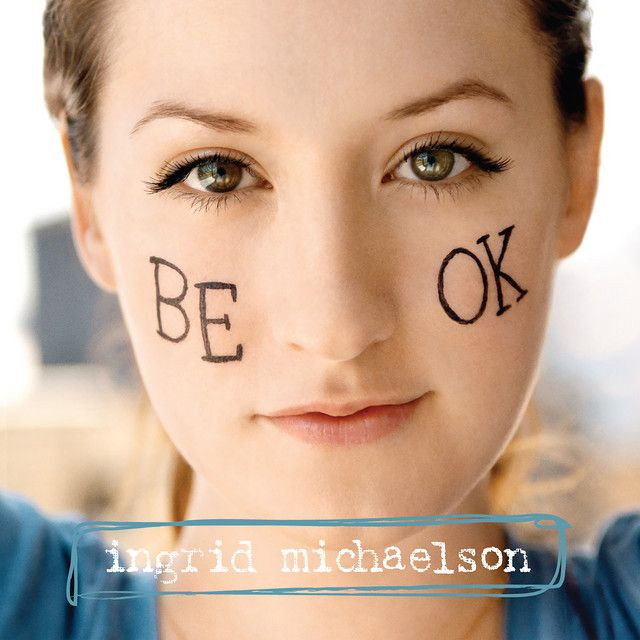
The meaning of Be OK Ingrid Michaelson starts with a simple wish: not to be perfect, healed, or transformed, but just stable enough to make it through the day. That small goal is what gives the song its power. Ingrid Michaelson turns a plain phrase into something that feels honest, anxious, and comforting at the same time.
"Be OK" - Ingrid Michaelson
I just want to be okay today
I just want to be okay, be okay, be okay
Loading lyrics...
Unable to load lyrics
We're unable to display the lyrics at this time. Please try again later.
Released as the title track from Be OK in 2008, the song sits in Michaelson’s early indie-pop world, where bright melodies often carry vulnerable feelings. According to her official site and label materials, Michaelson built a reputation on intimate songwriting and understated pop arrangements that reached wide audiences in the late 2000s. That background matters, because this song works through contrast: the music sounds light on its feet, while the words reveal emotional damage.
A Small Goal That Means Everything
At its core, the song is about survival in the present tense. The speaker does not ask for lifelong peace. They ask to be okay today
. That phrase shrinks the emotional goal down to one manageable unit of time, which makes the song feel deeply relatable.
This is why the chorus lands so hard. Instead of dramatic language, Michaelson uses ordinary words and repeats them until they sound urgent. The speaker is not delivering a grand speech. They are talking themselves through distress.
Interpretation: The song suggests that when life feels overwhelming, even “okay” can sound like a major achievement. That makes the track less about triumph and more about endurance.

Watch the official Be OK
music video
The Lyrics Move From Numbness to Fragile Hope
One of the smartest things in the writing is how the song builds its emotional ladder. First, the speaker wants to feel. Then they want to know. Finally, they hope they might be okay. Those steps matter.
They begin by saying they want to feel something today
. That points to numbness as much as sadness. Emotional pain can flatten everything, and the song captures that state clearly.
Then the lyrics shift toward understanding. The speaker wants certainty, or at least enough clarity to imagine a future beyond the current moment. By the end, they do not claim healing. They only say maybe I will be okay
. That one word—“maybe”—keeps the song grounded. It is hope, but cautious hope.
Brokenness as a Visual Image
The strongest image in the song is the line about a gallery of broken hearts
. Michaelson takes an inner feeling and turns it into something visual, almost like a room full of emotional damage placed on display.
That image does two things at once:
- It suggests that the speaker carries many past hurts, not just one.
- It makes pain feel curated and visible, as if heartbreak has become part of their identity.
Another key image appears when the speaker asks for their pieces back. This idea of emotional fragmentation runs through the whole song. They do not ask to become brand-new. They ask to reclaim what has been scattered.
Just give me back my pieces
And let me hold my broken parts
That brief moment is important because it changes the usual breakup-song message. Instead of wanting someone else to fix them, the speaker wants ownership of their damaged self.
Interpretation: The song argues that healing may begin not with repair, but with acceptance. Before they can become whole, they have to gather what hurts.
Why the Sound Feels So Comforting
Part of the song’s appeal is musical. Michaelson’s work from this period often blends acoustic textures, handclap-friendly rhythm, and a conversational vocal style, heard across songs associated with Be OK and her breakout era. In this track, the melody is catchy and buoyant, which keeps the song from collapsing under its own sadness.
That choice matters. If the arrangement were darker, the lyrics might feel heavy or defeated. Instead, the pop structure gives the song motion. It sounds like someone trying to keep going.
Their vocal delivery also helps. Michaelson does not oversing the pain. They keep it direct and controlled, which makes the emotion feel more believable. The restraint says: this feeling is constant, familiar, and lived-in.
More Than a Breakup Song
It is easy to hear Be OK as a song about romantic heartbreak, and that reading fits the imagery of broken hearts and missing pieces. But the song also reaches beyond romance.
Interpretation: It can describe anxiety, burnout, depression, or any period when a person feels split apart inside. The repeated wishes to feel, know, and cope sound bigger than one relationship. They sound like a person trying to return to themselves.
That wide emotional reach helps explain why the song has lasted. Listeners can place their own struggles inside it. The lyrics are specific enough to feel vivid, but open enough to travel.
Why It Still Connects
The meaning of Be OK Ingrid Michaelson endures because it does not pretend recovery is neat. The song understands that some days the best a person can do is aim for “okay.” That may sound modest, but in hard moments it can be everything.
Michaelson gives that feeling a bright, memorable frame, which is why the song can comfort without denying pain. It says brokenness is real, hope is uncertain, and both can exist in the same breath.
That balance is what makes Be OK feel so human.
Disclaimer: This interpretation is based on the song’s lyrics, sound, and publicly available artist context. Like most songs, it can support more than one valid reading.








