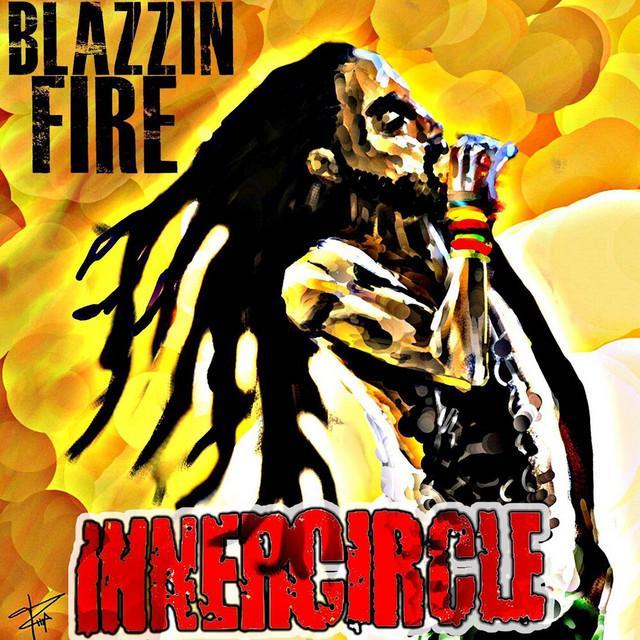
Games People Play by Inner Circle
The meaning of Games People Play Inner Circle starts with a smart contrast: the track sounds warm, loose, and easygoing, yet its lyrics are deeply suspicious of how people treat one another. Inner Circle did not write the song. They turned Joe South’s late-1960s social critique into a 1994 reggae hit, and that shift in style matters.
"Games People Play" - Inner Circle
Na-na-na, na-na-na, na-na-na
Talkin' about you and me, yeah
Loading lyrics...
Unable to load lyrics
We're unable to display the lyrics at this time. Please try again later.
South originally released the song in 1968 on Introspect, and it later won two Grammys while becoming one of his best-known songs. Inner Circle’s cover appeared on Reggae Dancer in 1994 and became an international hit, especially across Europe and New Zealand. In factual terms, it was chosen as a single after becoming a crowd favorite in the band’s live sets.
A Sunny Sound Hiding a Dark Message
At its core, the song is about hypocrisy. The singer describes a world where people say one thing and do another, where public virtue often hides selfish motives. That is why one of the key lines, never meanin' what they say
, feels so central. It is not just complaining about lies. It is attacking a whole culture of false performance.
Interpretation: Inner Circle’s version makes that critique feel even sharper because the groove is so inviting. The band wraps the warning in a relaxed reggae rhythm, almost daring listeners to dance while they think about dishonesty, cruelty, and moral posing.
The chorus pulls the listener in by repeating you and me
. That phrase matters because it keeps the song from sounding preachy. The problem is not only out there in politics, churches, media, or social trends. It also lives in everyday human relationships.

Watch the official Games People Play
music video
How the Verses Build the Song’s Critique
The lyrics move through a chain of examples. First, they attack empty speech. Then they point to status and ambition through the image of concrete towers
. That image suggests modern life, power, and isolation. People chase success, but the song reminds them that death will flatten those goals in the end.
That is why the funeral image lands so hard. The line about being carried away in a limousine reduces pride to a final, silent exit. The message is simple: people waste time on ego games, and those games do not matter much when life is over.
Next, the song turns toward religious hypocrisy. It describes people praising God in public and then hurting others right after. The point is not that faith itself is false. The point is that faith can be used as a costume. When the song says in the name of the lord
, it points to people who use sacred language to justify bad behavior.
Fake Wisdom, Real Emptiness
Later, the lyrics criticize spiritual fads and borrowed wisdom. References to meditation, horoscopes, and changing fate are not necessarily attacks on those practices by themselves. In context, they are examples of people searching for shortcuts, labels, and trendy answers instead of confronting their own behavior.
Interpretation: The song suggests that self-improvement talk can become just another game if it is not tied to compassion. In other words, sounding enlightened is not the same as being humane.
This idea becomes clearest in the verse about giving up sanity and turning away from humanity. That is the moral center of the song. The real danger is not just dishonesty. It is emotional numbness. Once people stop caring about others, every social game becomes easier to play.
Every night and every day now
Never say what they mean
That short passage sums up the song’s worldview: deception is not occasional. It is constant, normal, and woven into daily life.
Why Inner Circle’s Version Works So Well
Inner Circle’s cover succeeds because reggae changes the emotional frame without erasing the message. Their arrangement is bright, rhythmic, and communal. The repeated chant and beach-ready pulse make the song feel open and accessible, which helped it travel on radio and MTV in 1994.
Factual context helps here. Inner Circle’s recording was produced by Touter Harvey and Ian Lewis, released by WEA, and became a major hit in several countries, reaching No. 2 in Finland and No. 4 in New Zealand. Critics at the time noticed the contrast too, praising the band’s easy musicianship and pop-friendly charm.
The production also fits the lyric theme in an interesting way. Reggae often relies on space, groove, and repetition. That repetition gives the hook a circular feel, as if these “games” never really end. The na-na-na refrain sounds playful, but it also suggests routine behavior people repeat without thinking.
The Bigger Meaning of Games People Play Inner Circle
So what is the meaning of Games People Play Inner Circle in plain terms? It is a warning about the masks people wear. The song says society rewards performance, slogans, and appearances, while honesty and empathy are harder to find.
At the same time, it is not purely cynical. By naming the problem so plainly, the song invites listeners to resist it. If people can recognize manipulation, fake holiness, and emotional detachment, they may choose something better.
That is why the song has lasted through many cover versions. Joe South wrote a protest song, but Inner Circle turned it into a mass singalong without losing the bite. They made a moral complaint sound like summer radio, and that tension is exactly what makes the track memorable.
Final Take Under the Groove
In the end, the song is about everyday corruption of the spirit: lies, posturing, selfishness, and indifference dressed up as normal life. Inner Circle’s version keeps that message intact while making it easier to hear, remember, and share.
Interpretation disclaimer: This reading is based on the lyrics, the song’s history, and the way Inner Circle’s arrangement shapes its tone. As with any song, listeners may hear personal meanings beyond this interpretation.







