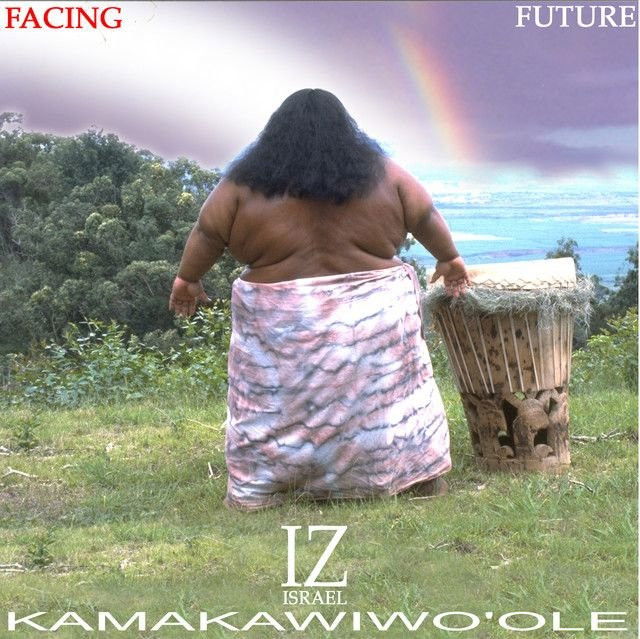
Somewhere Over The Rainbow_What A Wonderful World by Israel
Why This Medley Still Hits So Hard
The meaning of Somewhere Over The Rainbow_What A Wonderful World Israel comes down to one powerful idea: they sing about hope without denying pain. Israel Kamakawiwoʻole’s version does not just dream about a better place. It also notices the beauty that already exists in daily life.
"Somewhere Over The Rainbow_What A Wonderful World" - Israel
Ooh, ooh, ooh, ooh ooh ooh
Ooh, ooh, ooh
Loading lyrics...
Unable to load lyrics
We're unable to display the lyrics at this time. Please try again later.
That balance is why the medley feels so moving. One song looks upward toward escape, while the other looks around at the world as it is. Put together, they suggest that a person can long for peace and still find reasons to love life.

Watch the official Somewhere Over The Rainbow_What A Wonderful World
music video
Two Classic Songs, One Emotional Story
Factually, Israel Kamakawiwoʻole did not write the original songs. Over the Rainbow
was written by Yip Harburg and Harold Arlen for The Wizard of Oz in 1939, while What a Wonderful World
was written by Bob Thiele and George David Weiss. Israel’s medley became closely associated with his 1993 album Facing Future.
He was a major Hawaiian artist, often called The Voice of Hawaii
by outlets such as NPR. He was known for blending Hawaiian music with folk, reggae, and gentle pop textures, usually centered on his voice and ukulele. That musical identity matters because this performance turns two famous standards into something that feels deeply personal.
The Core Message Behind the Lyrics
At its heart, the song moves between yearning and acceptance. In the first half, the singer imagines a place where trouble melts like lemon drops
. That image does not describe a literal location so much as an emotional wish: a life beyond fear, struggle, and disappointment.
Then the medley shifts. Instead of focusing only on escape, it names ordinary wonders like trees, skies, friends, and children. The speaker thinks, in simple words, that it is a wonderful world
. This change is crucial. The song is not saying life is perfect. It is saying beauty remains visible even when life is hard.
How the Two Halves Talk to Each Other
Dreaming Beyond Pain
The rainbow section reaches for possibility. The question near the end, why can't I?
, gives the song its ache. They are not just describing a fantasy world; they are asking why peace and freedom seem so far away.
Interpretation: In Israel’s version, that question sounds less like complaint and more like vulnerable hope. Because the delivery is so soft, the longing feels human and close.
Loving the World in Front of You
The second half answers that longing in a surprising way. Instead of offering a magical escape, it points to everyday grace: nature, human warmth, and the future carried by children. The rainbow is no longer only far away. Its colors appear in the faces of people passing by.
Interpretation: This suggests that paradise is not only elsewhere. Part of it can be found here, in attention, kindness, and community.
How Israel’s Sound Changes the Meaning
One reason the medley became beloved is its arrangement. It is famously spare: mostly voice and ukulele, with almost no clutter. That simplicity makes the lyrics feel like a private thought rather than a show tune or a formal pop ballad.
The ukulele matters because it creates warmth without heaviness. Its light rhythm gives the first song a floating quality, as if the dream might drift just within reach. At the same time, Israel’s voice carries sadness, tenderness, and calm all at once.
This is where the performance adds meaning beyond the words. A louder or more dramatic version might make the song sound triumphant. Israel’s version sounds intimate and fragile. That fragility tells listeners that hope is precious because it exists alongside suffering, not apart from it.
Artist Context Makes the Song Even Richer
Israel Kamakawiwoʻole was more than a singer with a beautiful voice. He became a cultural symbol in Hawaii, linked to the Hawaiian Renaissance and to music that centered local identity and feeling. That context helps explain why his version of this medley feels rooted, not generic.
Even though the lyrics are universal, they gain new weight through his presence. He sounds like someone carrying both gentleness and history. Many listeners hear comfort in that contrast.
A Few Strong Readings of the Song
There is more than one fair way to understand this medley:
- Hope as survival: The song imagines a life beyond pain because people need that vision to keep going.
- Gratitude as resistance: By noticing beauty in ordinary life, the song pushes back against despair.
- A spiritual reading: The rainbow can sound like heaven, peace, or emotional release rather than a physical place.
All three readings fit the performance. The medley is powerful because it never forces only one answer.
Someday I'll wish upon a star
Wake up where the clouds are far behind me
Those lines capture the song’s central motion: a wish to rise above trouble. But the medley does not end there. It keeps returning to the world people already inhabit, asking them to see it with softer eyes.
Why This Version Endures
The meaning of Somewhere Over The Rainbow_What A Wonderful World Israel lasts because it joins two truths that people often feel at the same time. They want life to be easier, and they know life is still beautiful. Israel Kamakawiwoʻole gives both feelings equal space.
That is why the song is so often used in films, memorials, and moments of reflection. It comforts without sounding fake. It aches without giving up.
Final Thought
In the end, this medley is about the space between longing and gratitude. It tells listeners that dreaming of a better world does not cancel love for the one already here.
Disclaimer: This interpretation mixes widely accepted facts with informed reading of lyrics and performance. Meaning can vary from listener to listener.









