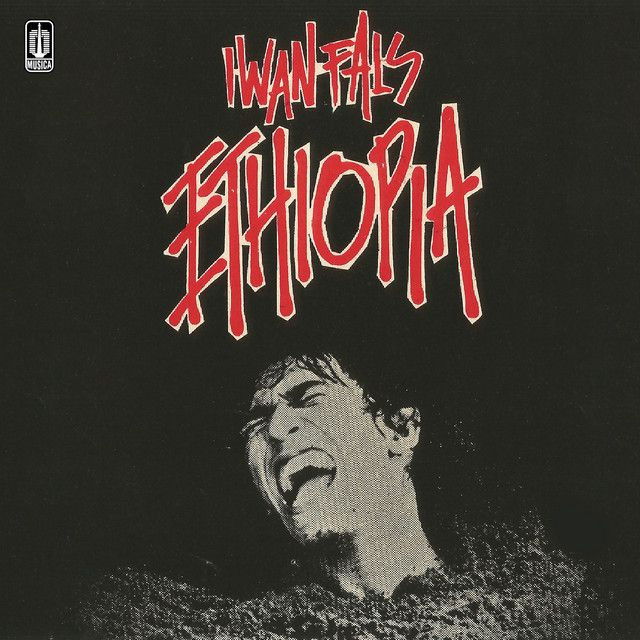
Why 'Tikus-Tikus Kantor' Still Bites
The meaning of Tikus - Tikus Kantor Iwan Fals is blunt, funny, and angry at the same time. The song is a social protest piece that attacks corruption in offices and public institutions. Instead of naming specific people, it turns them into animals, which makes the criticism feel both vivid and universal.
"Tikus - Tikus Kantor" - Iwan Fals
Yang suka berenang di sungai yang kotor
Kisah usang tikus tikus berdasi
Loading lyrics...
Unable to load lyrics
We're unable to display the lyrics at this time. Please try again later.
Iwan Fals, born Virgiawan Listanto, is widely known as one of Indonesia’s most important singer-songwriters, especially for songs that speak about social and political life. That public role helps explain why this track still matters to listeners far beyond its first release. The song does not just accuse individuals; it shows a system where greed survives because weak oversight allows it.
The Core Message Hiding in Plain Sight
At its center, the song says that corruption becomes normal when shameless people learn how to hide, adapt, and wait out danger. The office “rats” are not portrayed as desperate survivors. They are shown as people who know exactly what they are doing.
Early on, the lyric image of tikus kantor
frames these figures as creatures living inside institutions. The phrase is not subtle, and that is the point. It turns office corruption into something dirty, persistent, and hard to remove.
Interpretation: The song suggests that corruption is not only theft of money. It is also the theft of trust. When the lyric mentions figures who ingkar janji
, it points to broken promises and moral failure, not just criminal behavior.
Watch the official Tikus - Tikus Kantor
music video
How the Song’s Story Moves
The verses build a simple but effective little drama:
- Corrupt people thrive in dirty conditions.
- They hide behind desks, coworkers, and bureaucracy.
- When danger arrives, they suddenly act innocent.
- They return to their old behavior once the threat passes.
That rhythm makes the song feel cyclical. Nothing is truly solved. The “rats” disappear for a moment, then come back because the structure protecting them remains in place.
One of the sharpest ideas is that these figures can change faces very quickly. They know when to act loyal, clean, or harmless. The satire works because listeners can instantly picture that behavior in real life.
Chorus, Greed, and the Heart of the Critique
The chorus gives the song its moral center. It says these office rats tak kenal kenyang
and are rakus rakus
. In plain English, they are never satisfied. Their greed has no natural limit.
This matters because the song refuses the excuse that corruption happens from need alone. These people already have access, status, and shelter. Still, they want more. The repeated hook turns greed into a habit of character.
Interpretation: The chorus also strips away any romance about cleverness. The rats may be smart, but the song treats that intelligence as twisted. Their skill is used for evasion, manipulation, and survival inside a broken system.
Rats, Cats, and a Failing System
The animal symbolism is simple, but it opens up the whole song. The rats represent corrupt officials, clerks, or insiders. The cats seem to represent supervisors, law enforcement, or anti-corruption forces.
But the cats are not heroic. They are described as slow, sleepy, and possibly compromised. That changes the song from a complaint about bad individuals into a wider institutional critique.
Kucing datangtikus menghilang
That tiny moment sums up the game. When oversight appears, guilt retreats from view. Yet the later verses push further: sometimes the cats are ineffective, and sometimes they may even benefit from the same system.
The lyric about giving bread so that the way stays smooth suggests bribery without needing to spell it out. That image is one reason the song remains so sharp. It shows corruption as a relationship, not a solo act.
Why the Sound Fits the Words
Musically, the song supports its message through directness. Iwan Fals often works in a style that favors clear rhythm, strong vocal phrasing, and an arrangement built to carry the lyric. That approach suits a protest song because the message stays front and center.
The repeated chorus feels almost chant-like, which helps the criticism stick in the mind. Instead of ornate production, the force comes from momentum and delivery. The plainness is a strength: it sounds like something meant to be sung together, remembered easily, and passed from one listener to another.
For U.S. listeners, that may recall the best protest traditions anywhere: simple language, vivid symbols, and a hook that can outlive the news cycle.
Artist Context That Sharpens the Meaning
Iwan Fals has long been associated with songs about everyday people, injustice, and political frustration. That context matters. Listeners do not hear this as a random animal fable; they hear it as part of a larger body of socially aware songwriting.
The writer credit also matters here. The song was written by Virgiawan Listanto, Iwan Fals’s real name, which ties the critique directly to his authorial voice. This is not detached storytelling. It sounds like a deliberate public statement.
Final Take: Why the Song Endures
The meaning of Tikus - Tikus Kantor Iwan Fals lasts because the song turns corruption into a picture anyone can understand. Rats hide, feed, and return. Cats chase too late or not hard enough. The system keeps moving.
That is why the song still bites. It is catchy enough to remember, funny enough to repeat, and honest enough to sting.
Disclaimer: This interpretation is based on the lyrics, common symbolism, and Iwan Fals’s public artistic context. As with all songs, meaning can vary by listener.








