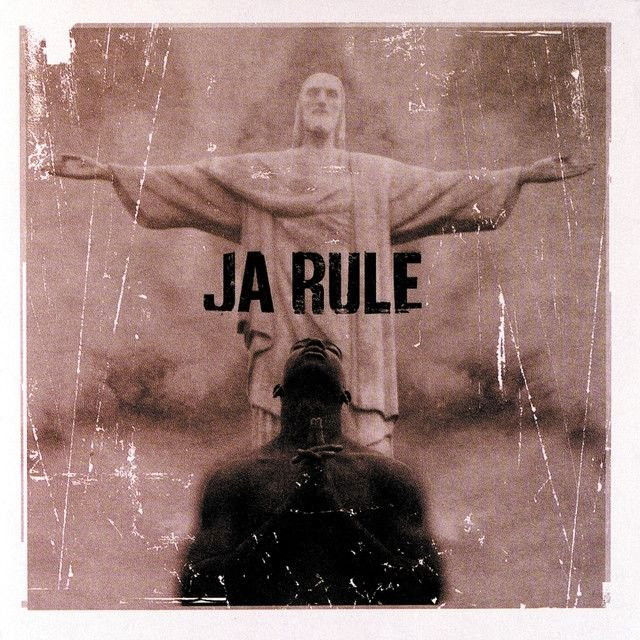
Only Begotten Son by Ja Rule
A Painful Prayer at the End of a Debut
The meaning of Only Begotten Son Ja Rule centers on abandonment, anger, and survival. On the surface, it is a street rap filled with hard images. Underneath, it is a direct message from a son to an absent father, filtered through religious language.
"Only Begotten Son" - Ja Rule
Shall not be condemned
But he that believeth not
Loading lyrics...
Unable to load lyrics
We're unable to display the lyrics at this time. Please try again later.
The song appears on Venni Vetti Vecci, Ja Rule's 1999 debut album, released by Def Jam and Murder Inc. as that label's first release. According to the album credits summarized by Wikipedia, the track was written by Jeffrey Atkins, Irving Lorenzo, Robert Mays, and Tyrone Fyffe, and produced by Tyrone Fyffe, Irv Gotti, and Lil' Rob. That context matters: this is not a polished crossover single. It feels like a closing confession on an album that often sells toughness first.
Watch the official Only Begotten Son
music video
The Core Meaning: A Son Talking to the Father Who Left
At its heart, the song is about a child who grows up feeling discarded. Ja Rule frames that hurt in a way that makes the father sound almost godlike at first, then painfully human. The title itself points to Christian scripture, especially the phrase only begotten son
. But the song flips that holy idea into something bitter. Instead of a loving sacrifice, they describe a son who feels left behind.
That is why the hook is so powerful. It turns religion into accusation. The repeated idea is that pain got passed down and then renamed as love. When they say pain is love
, it does not sound comforting. It sounds like a lesson learned the hard way.
How the Verses Build the Story
First movement: confusion becomes blame
The opening verse asks why someone would leave behind what they love. That question sets the emotional tone for everything that follows. The father is not just absent; his absence shapes the son's whole identity.
Ja Rule describes himself as growing up in harsh conditions, like a concrete rose
. That image says a lot in only two words. They are talking about beauty and life forced to grow in a place that is hard, unnatural, and violent.
Second movement: hurt becomes rage
As the verse continues, the sadness hardens into resentment. The father is accused of choosing drugs, women, and selfishness over family. The point is not just that he left. It is that his choices told the son where he ranked.
This is where the song gets especially raw. They admit wanting a father figure, then wanting to fight that same man. That contradiction feels honest. Many songs about absent parents simplify the emotion, but this one keeps both longing and hatred in the same space.
But I won't cry
Cause I live to die
This brief moment captures the emotional armor of the whole track. They refuse open grief, but that refusal comes at a cost. Instead of healing, the pain turns into fatalism.
Biblical Language, Rewritten for the Streets
One of the smartest things about the song is how it borrows from the Bible without sounding like a sermon. The intro and chorus echo John 3:16 and John 3:18, but they alter the meaning. Rather than presenting a loving father who sends a son to save the world, the song imagines a father who abandons a son to the world.
Interpretation: this twist lets Ja Rule compare personal family trauma to a larger spiritual wound. The father is both one man and a symbol of failed protection. That helps explain why the language feels so heavy. A private loss is being told in sacred terms.
There is also irony in the phrase chosen one
. In a religious setting, that would suggest purpose. Here, it sounds more like burden. They are “chosen” not for peace, but for struggle, violence, and emotional isolation.
The Street Persona Is a Shield, Not the Whole Message
A key part of the meaning of Only Begotten Son Ja Rule is that the song does not just describe pain; it shows what pain can become. The son grows into someone hardened by the street economy, distrust, and the constant threat of death. References to weapons, money, and survival are not random boasts. They are the armor built after abandonment.
That makes lines about being feared or living under the gun more tragic than triumphant. They suggest that masculinity here is defensive. If tenderness was not protected, then aggression becomes the substitute.
Interpretation: the song argues that fatherlessness and street violence are linked, not because one automatically causes the other, but because emotional neglect leaves a vacuum. The neighborhood, hustling, and reputation rush in to fill it.
Why the Production Matters
The beat supports that message well. Reviews of Venni Vetti Vecci often noted its spare, hard-edged sound; the Los Angeles Times described the album's production as built from “pounding drums” and bass-heavy foundations, while AllMusic called the record a strong debut. On this track, the production is lean and grim rather than lush. That emptiness fits the subject.
There is little in the arrangement that softens the blow. The looped chorus feels ritualistic, almost like a chant. The drums keep the song grounded in rap realism, while the repeated hook gives it a haunted, spiritual frame. That contrast mirrors the lyrics: street life on one side, wounded faith on the other.
Why the Song Still Lands
Even on an album that reached No. 3 on the Billboard 200 and No. 1 on the Top R&B/Hip-Hop Albums, according to Wikipedia, this track stands out because it sounds personal. It lets listeners hear the emotional roots beneath Ja Rule's rough voice and tough image.
The final effect is not redemption. It is exposure. They show how a son can spend years trying to turn rejection into strength, only to realize the wound is still there.
Final Take on Its Meaning
The meaning of Only Begotten Son Ja Rule is a story of abandonment retold as a dark gospel. It is about an absent father, a son shaped by rage, and a world that teaches hardness instead of healing. Its religious imagery gives the pain extra weight, while its bare production keeps everything tense and believable.
That is why the song lasts: it is not only angry at a parent. It is angry at what that loss made necessary.
Disclaimer: This interpretation is based on the lyrics, album context, and publicly available credits. As with any song, some meanings remain open to listener interpretation.







