Why ‘Bad Things’ Feels So Dangerous
The meaning of Bad Things Jace Everett comes down to one strong idea: instant desire that feels risky, thrilling, and a little out of control. The song is not subtle. It captures the moment when attraction hits so hard that it changes the whole room and overrides better judgment.
"Bad Things" - Jace Everett
And every shadow filled up with doubt
I don't know who you think you are
Loading lyrics...
Unable to load lyrics
We're unable to display the lyrics at this time. Please try again later.
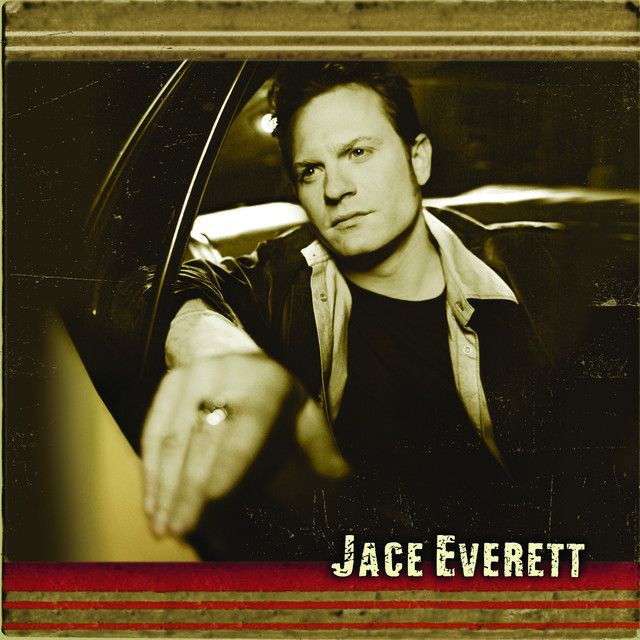
Written and performed by Jace Everett, “Bad Things” became especially well known as the theme for HBO’s True Blood. That extra cultural life matters, because the song already sounds like a meeting point between sex, danger, and Southern gothic mood. Even without the show, it sells that tension clearly.
A Sudden Shock, Not a Love Story
At its core, this is not a tender romance song. It is about being struck by someone’s presence so forcefully that the singer feels destabilized. The opening image says everything: when this person arrives, the air went out
. That phrase suggests a room changing in an instant, as if normal comfort disappears.
Right after that, the song brings in shadows and doubt. Instead of describing beauty in a sweet or poetic way, it frames attraction as a threat. This person is magnetic, but they also make the speaker uneasy. That matters for the meaning of Bad Things Jace Everett: desire here is intense because it carries fear along with it.
Interpretation: The song treats lust as a force that feels almost supernatural. The speaker does not sound calm or in control. They sound possessed by the moment.

Watch the official Bad Things
music video
The Hook Turns Desire Into Confession
The chorus is famous because it is so direct. The speaker admits, I wanna do bad things
. That line is not really about listing specific acts. It is about crossing a moral line on purpose, or at least fantasizing about it.
By repeating the phrase and then pushing it further with real bad things
, the song makes obsession sound both playful and dangerous. The wording is simple, but that simplicity is the point. There is no effort to dress up the feeling in polite language.
Why the Repetition Matters
The song is short, and the repeated hook does most of the emotional work. Each return to the chorus makes the speaker sound less reflective and more consumed. They are no longer trying to understand the attraction. They are surrendering to it.
That is why the hook sticks. It reduces a messy emotional state into one blunt confession.
A Narrator Who Knows They’re Slipping
One of the most revealing moments is when the singer describes himself as heart sick
and emotionally blue. That detail gives the song more depth than its provocative title might suggest. This is not just swagger. It is also vulnerability.
The speaker seems isolated before the other person appears, sitting alone and trapped in his own mood. Then desire arrives like a jolt. He cannot explain it. He says, in essence, that he does not know what has been done to him, only that the feeling is real.
Night, Shadows, and Moral Blur
The imagery is basic but effective: air, shadows, night, doubt. Those words create a world where temptation grows after dark and clarity fades. The line about before the night is through
adds urgency. This is not a long-term plan. It is a now-or-never impulse.
Interpretation: Night in the song represents lowered boundaries. The dark setting gives the speaker permission to admit urges they might hide in daylight.
That is also one reason the song fit True Blood so well. Its language naturally supports stories about appetite, danger, secrecy, and seduction.
How the Sound Sells the Meaning
Musically, “Bad Things” leans on stripped-down country-blues textures rather than polished pop sweetness. On Jace Everett’s self-titled debut album, the track uses a swampy groove, sharp guitar presence, and a vocal delivery that sounds half-invitation, half-warning.
The production matters because it avoids overexplaining the lyric. Instead, the arrangement leaves space around the words, which makes the desire feel stark and physical. The beat moves with a slow swagger, not a rush. That gives the song confidence.
The vocal tone is especially important. Everett does not sing the hook like a wild outburst. He sings it with a controlled, knowing drawl. That restraint makes the message feel more dangerous, because it sounds chosen rather than accidental.
Country Tradition With a Dark Edge
Although the song is often remembered through television, it still works within country tradition. Country music has long told stories about temptation, regret, sin, and late-night impulses. “Bad Things” taps that tradition, but strips it down to a primal urge.
There is also a blues influence in the way desire is framed as bodily and fated. The speaker is not debating ethics in a careful way. He is reacting from the gut. That makes the song feel older than its release era, like a modern version of a classic temptation song.
The Lasting Meaning of ‘Bad Things’
So what is the final meaning of Bad Things Jace Everett? It is a song about attraction that feels dangerous precisely because it is irresistible. It mixes lust, loneliness, thrill, and self-awareness into one dark, memorable hook.
Interpretation: The song does not necessarily celebrate being reckless. Instead, it dramatizes the moment when desire makes recklessness feel honest.
That is why it has endured. It is simple, moody, and very clear about the feeling it wants to capture: wanting someone so badly that the want itself starts to feel like trouble.
Disclaimer: This interpretation is based on the song’s lyrics, sound, and public context. As with all art, listeners may hear different meanings in “Bad Things.”









