What ‘My Mind Is for Sale’ Really Means
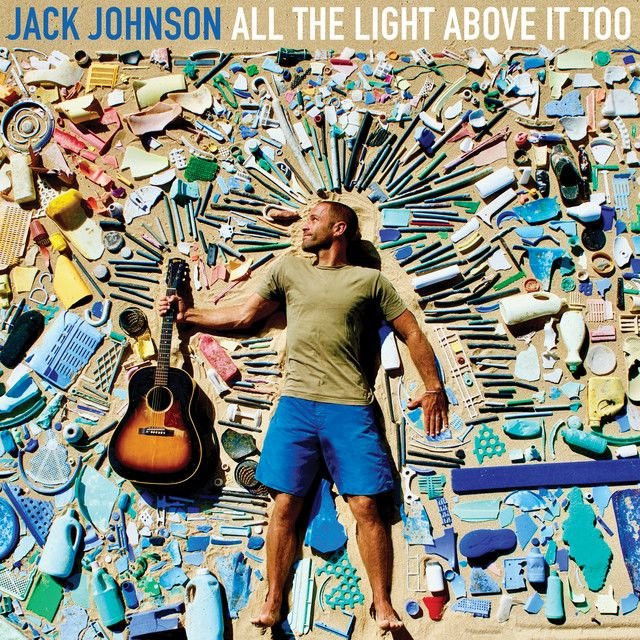
The meaning of My Mind Is for Sale Jack Johnson starts with a simple idea: they are singing about what happens when politics, media, and consumer culture begin to shape the way people think. Released on July 14, 2017, as the lead single from All the Light Above It Too, the song arrived during a tense political moment in the United States and was widely understood as Johnson’s response to Donald Trump’s rhetoric and the mood around it.
"My Mind Is for Sale" - Jack Johnson
I heard we're changing lanes
I heard he likes to race
Loading lyrics...
Unable to load lyrics
We're unable to display the lyrics at this time. Please try again later.
Factually, Johnson himself linked the song and album to that period, along with his environmental concerns and work around ocean pollution. Reporting at the time also described the track as an anti-Trump song, especially because of its references to division and wall-building. Those details have been widely documented in coverage by Rolling Stone and summary sources on the song’s release and production history.
A Gentle Song With a Sharp Point
At first listen, the track sounds easygoing. That is part of why it works. Johnson wraps a political critique inside a bright, breezy groove, so the message lands without sounding like a shouted slogan.
That contrast matters. The lyrics describe a culture flooded by bad language, tribal thinking, and attention-seeking media. Yet the music stays light, almost relaxed. Interpretation: they seem to be showing how toxic ideas can slide into everyday life so smoothly that people almost stop noticing them.
One of the clearest lines of attack is the rejection of division. When Johnson refers to us against them
walls, they are not only talking about a physical border. They are also talking about mental barriers: fear, suspicion, and the idea that politics works best when people are split into enemies.

Watch the official My Mind Is for Sale
music video
The Core Message Hiding in the Chorus
The title phrase is the key image. When they sing my mind is for sale
, the song turns inward. It stops being only about one politician and becomes a broader warning about influence.
The chorus suggests that modern life breaks thought into marketable pieces. News cycles, social media approval, outrage, and branding all compete for attention. The song even hints at this pressure through the phrase How many likes
, which points to a world where truth can feel secondary to popularity.
Interpretation: the “sale” in the title is not literal. It suggests a mind colonized by noise—by trends, spin, and public performance. Their thoughts are being divided, priced, and traded until it becomes hard to know what is genuine.
How the Verses Build That Feeling
The opening images are full of motion, rumors, and media cues. They hear the blinker's on
and hear that people are changing lanes, racing, and speaking in crude ways. This sounds like a country shifting direction fast, with television and headlines turning every move into spectacle.
Then comes one of the song’s strongest images: the “elephant in the room” dancing while cameras zoom in. Paraphrased, the idea is that something obvious and troubling is happening in plain sight, and media attention can turn it into a show instead of a serious problem.
The elephant in the room begins to dance
The cameras zoom into
His mouth begins to move
That short passage captures the song’s frustration with performance politics. The problem is not only what is said. It is also the system that rewards saying it loudly, repeating it often, and broadcasting it everywhere.
Political Context Without Losing the Human Angle
Johnson has said the song was generally about Trump trying to put up a wall between the United States and Mexico, and coverage around the single connected it to immigration rhetoric and the early presidency. That context is important because it grounds the song in a real political moment, not just vague frustration.
Still, the writing avoids names in the lyric itself. That choice gives the song a longer shelf life. Even listeners who come to it years later can hear a wider warning about fear-based politics, selfish leadership, and public speech in bad taste
.
This wider frame is one reason the song connected beyond the news cycle. It reached No. 2 on Billboard’s Adult Alternative chart and stayed there for 20 weeks, suggesting that its message and mellow delivery found a broad audience.
Why the Sound Matters So Much
The production helps explain the song’s impact. The track was recorded at Mango Tree Studio and produced by Robbie Lackritz, a longtime Johnson collaborator. Reports on the album also note that Johnson kept much of the raw spirit from his early sketches and played many of the instruments himself.
That matters because the arrangement feels handmade, intimate, and unforced. Instead of dramatic drums or aggressive guitars, the song leans on a clean groove and warm acoustic textures. The performance sounds conversational, which fits a lyric about trying to stay mentally clear when public language is chaotic.
Interpretation: the calm instrumentation acts like resistance. The world in the song is frantic and manipulative, but the music models another way to respond: stay grounded, stay observant, and refuse the bait.
The Homemade Video Adds Another Layer
The lyric video reinforced the song’s meaning in a simple, memorable way. Johnson shot it on an iPhone with an animation app and used his children’s blocks to build walls and knock them down. He told Rolling Stone, briefly, that it cost $0
and that his kids helped make it.
That visual idea matches the song perfectly. Walls are shown as things people build, which means they can also be dismantled. The image is playful, but the point is serious.
The Best Way to Read the Song
So what is the meaning of My Mind Is for Sale Jack Johnson? At its core, it is a protest song disguised as a laid-back folk-pop tune. It pushes back against fear, selfishness, and media-fed division, while also asking how much of a person’s inner life can be bought by outrage, attention, and endless distraction.
Its smartest move is that it never sounds preachy. They keep the language catchy, the music warm, and the images vivid. That makes the warning easier to hear.
Disclaimer: This interpretation mixes documented context with informed reading of the lyrics and production. As with any song, listeners may hear meanings beyond the ones discussed here.









