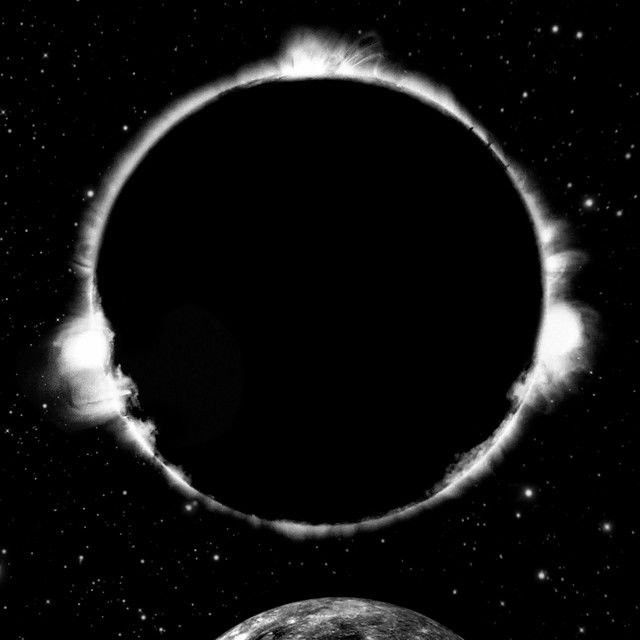
Fear Of The Dawn by Jack White
Why This Dawn Feels Like a Threat
The meaning of Fear Of The Dawn Jack White starts with a sharp reversal. Most songs use dawn as a sign of hope, clarity, or a fresh start. This one does the opposite. Here, morning feels dangerous.
"Fear Of The Dawn" - Jack White
Does it tell you, "I love you," by screaming?
Like when the sun starts to fall
Loading lyrics...
Unable to load lyrics
We're unable to display the lyrics at this time. Please try again later.
Jack White released Fear of the Dawn on April 8, 2022, as the title track of his fourth solo album, a hard-charging record made as the electric counterpart to Entering Heaven Alive later that year. Factually, the album was released through Third Man Records and produced by White himself. He also played every instrument on the title track, including theremin, according to album personnel and reporting from major coverage of the record.[1][2]
That context matters. The song is not calm reflection. It is short, loud, and urgent. In just over two minutes, it builds a world where sunrise means exposure, panic, and the possible end of safety.

Watch the official Fear Of The Dawn
music video
The Core Meaning Beneath the Noise
At its heart, the song seems to be about protecting intimacy during a moment of danger. The speaker and another person are trying to stay hidden, physically and emotionally, before daylight exposes them.
The opening image makes the sky feel hostile. Instead of romance, the moon seems to express love by screaming
. Then the sun starts falling and crushing the room. Those surreal details turn nature into pressure. The world outside is not gentle. It feels violent and unstable.
Interpretation: White appears to frame dawn as the return of reality. Night offers cover, but morning brings consequences. That could mean literal danger, the end of a secret relationship, or a broader fear of being seen too clearly.
Night as Shelter, Light as Exposure
The song’s middle lines sharpen that idea. The narrator admits they cannot control when the dark
covers the city’s light. That lack of control is important. Fear here is not weakness; it is a response to forces bigger than the speaker.
Still, the song does not stay passive. The speaker promises closeness and protection, saying they will hold the other person and hide electricity
. That is a strange phrase, but it works well as symbolism. Electricity suggests energy, desire, danger, and visibility all at once.
Interpretation: To hide electricity may mean trying to suppress whatever would give them away. It could be passion. It could be panic. It could even be the spark of identity itself.
The cigarette image pushes the same theme further. Even a tiny flame could betray them. A match is small, but in darkness it becomes a beacon. White turns a basic source of light into a risk.
No more than two cigarettes
Or the light from the match will betray us
That brief passage captures the whole song: comfort and danger are fused together. What helps them survive can also expose them.
A Relationship Under Pressure
The song clearly involves two people, but it leaves their relationship open. The repeated focus on you and I
makes the bond central, yet White avoids specific details. That vagueness gives the song reach.
A straightforward reading is that they are lovers hiding from the outside world. The language of holding someone close and surviving together supports that. Another reading is that the other person represents companionship itself. In that version, the song is about clinging to connection during fear.
Either way, the emotional logic is the same: darkness protects their bond, while daylight threatens to break it.
How the Sound Carries the Message
The production is one of the strongest clues to the song’s meaning. Critics widely described the album as an “intense aural barrage,” and this track is one of its most concentrated bursts.[1] The riff is propulsive, the drums hit hard, and the whole arrangement feels like it is rushing toward impact.
There is also the theremin, an instrument long associated with eerie, sci-fi unease. On this track, it adds instability. It makes the song feel less like a realistic story and more like a panic vision.
Factually, White produced the album himself, recorded it in Nashville, and shaped Fear of the Dawn around dense electric textures, effects, and experimentation.[1][2] That matters because the song’s fear is not just in the words. It lives in the distortion, speed, and abrasion.
A Bigger Album Theme in Miniature
The title track also connects to the full album’s mood. Reviews noted that Fear of the Dawn circles anxiety about daylight and exposure, with even the recurring title “Eosophobia” pointing to fear of dawn.[1] Across the album, White leans into electric overload rather than relief.
That makes this song a mission statement. It compresses the album’s larger tension into a tiny blast: if daylight stands for truth, social pressure, or post-crisis reality, then fearing dawn means fearing what comes after hiding ends.
Interpretation: Some listeners hear pandemic-era anxiety in that setup. White discussed returning to a prolific creative stretch after a long pandemic pause, and critics connected the album’s mood to that unsettled period.[1] The song does not state that directly, but the reading fits its fear of reentry and exposure.
Final Take on the Song’s Meaning
So, what is the meaning of Fear Of The Dawn Jack White? Most likely, it is a song about two people trying to preserve safety and connection while the world outside turns threatening. Dawn is not hope here. It is revelation, danger, and the possible collapse of a fragile refuge.
What makes the song powerful is how fully its sound supports that idea. The lyrics suggest fear; the music enacts it.
Disclaimer: This interpretation is based on the song’s lyrics, production, and publicly available context. As with most art, listeners may hear different meanings in the same images.








