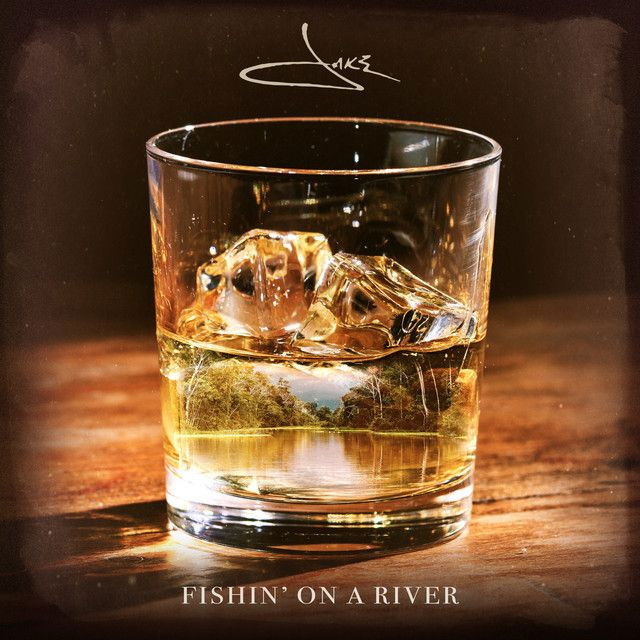
Why Jake Owen Chooses the Bar Over the River
The meaning of Fishin' On A River Jake Owen comes down to one sharp country twist: a day meant for peace turns into a night of heartbreak. The song takes a familiar Jake Owen world—boats, tackle, river life, warm weather—and flips it. Instead of finding relief on the water, the narrator ends up in a bar, trying and failing to outrun a breakup.
"Fishin' On A River" - Jake Owen
Filled up the cooler and the tank and the tackle box
Weatherman calling for cloudy and eighty-two
Loading lyrics...
Unable to load lyrics
We're unable to display the lyrics at this time. Please try again later.
That contrast is what gives the song its punch. It is funny on the surface, but underneath, it is about how grief can ruin even the most dependable kind of escape.
A breakup song dressed like a lake song
Before the chorus hits, the verses build an ideal plan. The narrator has bait, gas, gear, and the weather on their side. Everything is set for a near-perfect outing. Then the emotional rug gets pulled out.
When the song shifts to sittin' in a bar
instead of the river, it reveals the real story: this is not a fishing song at all. It is a breakup song where outdoor freedom becomes the life they were supposed to have that day.
Interpretation: The river represents steadiness and routine. The bar represents reaction, impulse, and pain. That is why the hook lands so strongly. It is not just a change of location. It is a change of emotional state.

Watch the official Fishin' On A River
music video
How the verses set up the loss
One smart part of the writing is how ordinary details carry weight. The bait shop, cooler, tackle box, and truck are not random props. They show someone who had a plan and believed the day made sense.
That makes the breakup hit harder. By the time the listener learns she had already decided to leave, the song has already painted a full life around the relationship. Her exit does not just end romance. It wrecks a ritual.
A few short phrases sharpen that idea: goodbye mind
, tail lights
, and girl's gone
. None of them overexplain. They keep the pain plain, which fits country storytelling.
The emotional timeline in simple beats
- They prepare for a river trip.
- They expect company and a good night.
- The partner leaves instead.
- They swap the river for neon and drinks.
- They realize neither place can really fix the hurt.
That timeline is easy to follow, but emotionally rich. The song knows that heartbreak often feels most painful when it interrupts normal life.
Why the chorus works so well
The chorus is built on comparison. The narrator keeps measuring what should have happened against what is happening now. They are catchin' me a buzz
instead of a fish, and spending money at the bar instead of running a small outboard motor.
That pattern does two things:
- It gives the song a memorable, singable hook.
- It shows a mind stuck in substitution mode, constantly comparing loss with what might have been.
Interpretation: The repeated setup suggests they are not really present in the bar. Mentally, they are still at the river, replaying the version of the night that got taken away.
River, bar, and “honey hole” as symbols
The best country songs often use concrete objects to express feelings. This one does it cleanly.
- The river stands for calm, habit, and healing.
- The bar stands for noise, delay, and emotional avoidance.
- The “honey hole” stands for a secret fix, the perfect spot that usually works.
The key line is the admission that even a favorite fishing spot will not help them forget her. That matters because it shows the breakup has reached deeper than inconvenience. Even their best form of relief is powerless.
wettin' my whistleinstead ofwettin' my line
catchin' me a buzz, not catchin' fish
Those comparisons summarize the song’s whole emotional argument: distraction is not the same thing as healing.
How Jake Owen’s image deepens the meaning
Jake Owen has long been tied to water, boats, and laid-back coastal country. In a Billboard interview, they described boating as a source of “freedom,” release, and even therapy. They also recalled growing up on the water in Florida and learning independence through boating.
That context matters. It means the river imagery is not just a generic country backdrop. It connects to a real part of Owen’s public identity. When a song in their orbit says the narrator cannot make it to the water, that absence feels meaningful. The usual cure is unavailable.
Billboard also reported that Owen partnered with Discover Boating and spoke openly about the healing side of being on the water. That makes this song’s central switch even more telling: they are choosing a weaker remedy because the stronger one cannot solve this particular hurt.
The writing and sound keep it easy, not heavy
The song was written by David Fanning, Drew Parker, and John Cole Taylor. Their writing keeps the scene conversational and hook-driven, which helps the sadness go down easy.
Production-wise, the song fits modern country’s clean, polished style. Listeners can imagine bright guitars, a steady backbeat, and a relaxed vocal that lets the wordplay lead. That matters because a too-sad arrangement might have buried the cleverness. Instead, the likely musical feel lets the song live in that classic country space where a bad night can still sound radio-friendly.
Interpretation: The breezy sound is part of the point. It mirrors how people often tell breakup stories with a laugh while still hurting.
The clearest takeaway
The meaning of Fishin' On A River Jake Owen is that heartbreak can turn even a perfect escape into a reminder of loss. The narrator does not just miss a person. They miss the life, plan, and peace that seemed to go with that person.
That is why the song sticks. It takes a simple country choice—bar or river—and turns it into a portrait of someone trying to trade healing for distraction, knowing all along that it is a bad deal.
Disclaimer: This interpretation is based on the lyrics, known songwriter credits, and Jake Owen’s public artistic context. Like any song, listeners may hear it differently.








