Why Jake Paul’s “I’m Single” Sounds Half-Free
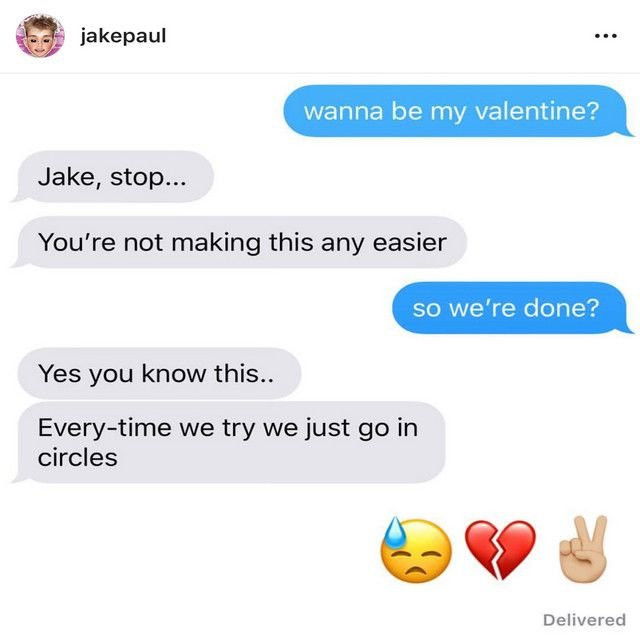
The meaning of I'm Single Jake Paul comes down to a split feeling: the song says freedom out loud, but heartbreak keeps leaking through. On the surface, it is a post-breakup anthem about moving on. Under that, it sounds more like someone trying to convince themselves they are over it.
"I'm Single" - Jake Paul
Oh, shit
I've been drinkin', floatin'
Loading lyrics...
Unable to load lyrics
We're unable to display the lyrics at this time. Please try again later.
That tension is what gives the track its shape. Jake Paul keeps returning to pain, confusion, and wounded pride, then answers those feelings with a blunt label: I'm single
. The hook is simple, but the verses make it clear that being single is not pure relief. It is also a shield.
The Real Message Hiding Inside the Hook
At the center of the song is a breakup that has not fully settled. The narrator sounds pulled in two directions. One side is emotional and still attached. The other wants control, distance, and a cleaner story.
Early lines describe being overwhelmed, using phrases like caught in my emotions
and feeling mentally scattered. That matters because it frames the song before the confident hook arrives. Instead of starting from power, the track starts from instability.
Interpretation: the repeated chorus is less a celebration than a coping mantra. By saying I'm single
again and again, the song turns a painful fact into a public identity. The repetition feels like self-talk as much as a statement to an ex.

Watch the official I'm Single
music video
A Breakup Told Through Mixed Signals
The story unfolds in a pretty direct way, and that makes the song easy to follow.
The emotional timeline
- First, they describe the breakup as disorienting and raw.
- Then, they admit they are still thinking about the other person.
- After that, jealousy enters the picture through social media and going out.
- Finally, they try to reclaim power by saying they can move on too.
That middle section is especially important. The song mentions seeing the other person online and out living their life, which clearly bothers the narrator more than they want to admit. When the track says on my mind
, it undercuts the tough pose that follows.
There is also a push-pull in lines about leaving things open and needing time. That suggests they do not fully want closure, even while acting like the relationship is finished.
Pride, Hurt, and the Need to Win
One of the strongest ideas in the song is that heartbreak quickly turns into competition. Instead of only grieving, the narrator starts measuring who is doing better after the split.
That shows up when the song shifts toward flexing. They talk about being back with friends, making money, and doing better now. In plain terms, the message becomes: you hurt me, but I will recover louder than you expect.
This is where Jake Paul’s public persona matters. He built fame partly through conflict, spectacle, and bravado, especially around viral music moments like “It’s Everyday Bro”, which became one of his most visible songs. That history helps explain why a private breakup song still leans into public performance. Even sadness gets framed as a win-loss battle.
Interpretation: the line of thought is not just “I am single now.” It is “I am single, and I need you to see that I can still play the game.” That adds ego to the heartbreak.
Where the Chorus Hits Hardest
The chorus works because it is blunt enough to sound catchy, but empty enough to feel lonely. A lot of breakup songs use big emotional detail. This one does the opposite. It compresses everything into one repeated status update.
I'm single, I'm single
I'm single, I'm single
That tiny block says a lot about the song’s emotional strategy. It removes nuance. No explanation, no conversation, no repair. Just a label repeated until it sounds true.
Because the verses are messier than the hook, the chorus starts to feel defensive. The simpler it gets, the more readers can hear what is missing: peace.
How the Sound Supports the Meaning
The production matches that emotional split. The track uses a melodic, loop-based style that feels hazy rather than aggressive. That softer sound gives room for the lyrics about drinking, floating, and coping.
Instead of sounding fully triumphant, the beat feels like a late-night comedown. The vocal delivery also matters. Jake Paul alternates between wounded lines and ad-libbed jokes or hype voices. Those moments can sound playful, but they also create emotional whiplash.
That whiplash fits the song’s meaning. Someone dealing with a breakup often shifts fast between sadness, anger, denial, and swagger. The song does not smooth that out. It leaves the contradictions in place.
The available credits in the user-provided context list a large writing team, including Dylan Wiggins, Jahann Sweet, Jake Paul, Khristopher Riddick-Tines, Matthew O'Brien, Matthew Samuels, Raynford Humphrey, and Simon Gebrelul. That kind of collaborative pop-rap writing can help explain why the song feels built around a strong central hook and clear emotional beats.
Why It Feels More Vulnerable Than It First Appears
Even with all the chest-puffing, the most revealing line may be the idea of needing time. That is the song’s honest center. It suggests the breakup is not done emotionally, only officially.
Another key phrase is way too young
. It adds a layer of immaturity, but not in a mocking sense. It suggests someone who does not yet have the tools to process heartbreak cleanly, so they fall back on status, image, and reaction.
That makes the song less about independence and more about unstable recovery. It is not a victory lap. It is a messy attempt to turn rejection into confidence.
Final Take on “I’m Single”
The meaning of I'm Single Jake Paul is not simply that a relationship ended. It is that being newly single can feel performative, especially when pride is bruised and emotions are still active. The song keeps trying to sound free, but it never fully escapes the breakup it is reacting to.
That is why the track connects more through contradiction than depth. It presents independence as a chant, while the verses reveal hurt, jealousy, and unfinished feelings underneath.
Disclaimer: This interpretation is based on the lyrics provided, publicly known context, and the song’s performance style. Like most pop songs, it can support more than one reading.








