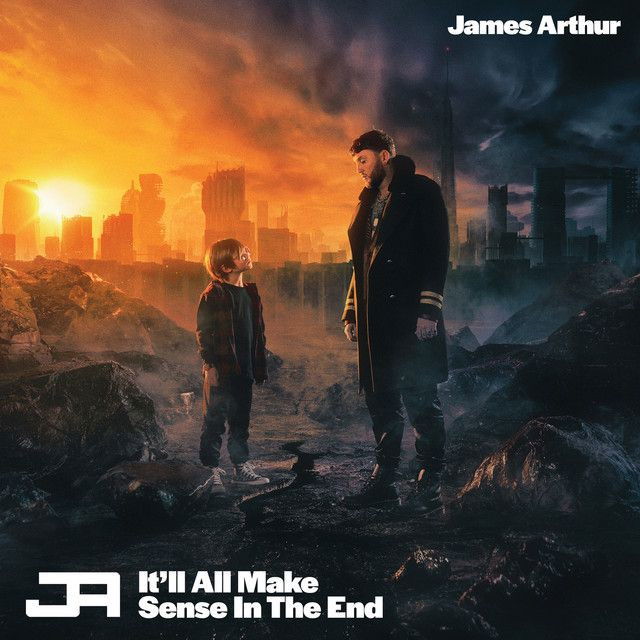
SOS by James Arthur
The meaning of SOS James Arthur starts with a simple idea: this is a song about someone who feels emotionally wrecked and is finally honest enough to ask for help. Rather than hiding behind cool distance or breakup drama, they sing from a place of collapse. The title uses the old distress signal as a direct metaphor for spiritual and emotional rescue.
"SOS" - James Arthur
Yeah, ayy
The champagne, you showered down on my pain
Loading lyrics...
Unable to load lyrics
We're unable to display the lyrics at this time. Please try again later.
Released in October 2021 as a single from It'll All Make Sense in the End, the song was also described by Arthur as coming from a broken place. In comments quoted by the James Arthur Wiki from Apple Music, he said the song was about somebody who was “broken” and that he wanted to make it feel as heavy and authentic as possible. That context matters because the song does not sound like a casual cry for attention. It sounds like surrender.
A Distress Call at the Center
At the heart of the song is the repeated plea SOS, save my soul
. Before and after that line, the lyrics make it clear that the speaker is not just having a bad night. They feel overwhelmed, exhausted, and close to losing themselves. The chorus turns inner pain into the language of emergency.
Another key phrase is I've been drowning for too long
. That image gives the song its emotional logic. Drowning suggests panic, helplessness, and time running out. This is not a temporary slump. It is ongoing suffering that has gone on so long the speaker now needs another person to intervene.

Watch the official SOS
music video
Who They Are Calling To
One of the song's most interesting details is that the rescue is personal. The singer is not calling into empty space. They are calling to a specific “you,” someone seen as protective, loving, or possibly redemptive. Lines about being changed since meeting this person suggest deep attachment.
That is why throw me a lifeline
matters so much. The phrase turns love into action. The speaker is not asking for abstract sympathy. They want connection, care, and proof that someone will stay present when life is falling apart.
Interpretation: Lover, Friend, or Lifeline Within?
Interpretation: The most direct reading is romantic. The song sounds like someone begging a partner not to let them sink. Still, the lyrics also leave room for a broader meaning. The “you” could be a friend, family member, or even a symbol for hope itself.
That ambiguity helps the song travel. Many listeners hear romance in throw me your heart
, but others may hear a plea for compassion from anyone able to help.
The Verses Paint a Broken World
The verses explain why the chorus feels so desperate. They are full of flashy but unstable images: champagne, fading lights, Las Vegas, blind faith, and predators. These details suggest a setting of excess and illusion. Pleasure is present, but it does not heal anything.
When the singer says pain is covered by celebration, the song hints at numbing out rather than recovering. The party images feel empty, almost toxic. Las Vegas becomes a symbol of spectacle, temptation, and emotional disorientation.
Then the song gets harsher. The image of being chewed up and spit out turns the world into something predatory. The speaker is not just sad; they feel consumed by their environment. This helps explain why the chorus lands so hard. The world of the verses cannot save them.
Propeller, spinning me away forever
Umbrella, shelter me from stormy weather
These lines show the push and pull inside the song. One force drags the speaker farther from safety, while another offers cover and care. In two short images, the track sets chaos against comfort.
How the Sound Makes the Meaning Hit Harder
Production is a big part of the meaning of SOS James Arthur. According to the available credits, the song was written by James Arthur, George Tizzard, James Bell, and Rick Parkhouse, with production by Matt Rad and Red Triangle. Those names matter less than what they create: a polished but weighty pop-rock sound built to carry emotional strain.
The arrangement feels big, but not triumphant. The drums and layered vocals push the chorus forward like a wave, while the darker tone underneath keeps it from feeling uplifting in a simple way. Arthur's voice is especially important. He does not sing the hook like a slogan. He strains into it, which makes the plea sound lived-in.
That matches his own description of wanting the song to feel “heavy.” The production does exactly that. It gives the lyrics scale without cleaning up their pain.
Why the Chorus Repeats So Much
Some songs use repetition for catchiness alone. Here, repetition mirrors mental and emotional crisis. A person in distress does repeat themselves. They circle the same fear. They keep asking because one call has not been enough.
So when the song returns again and again to rescue language, it is doing more than building a pop hook. It is dramatizing need. The listener hears someone stuck in the moment before relief arrives.
A Song About Surrender, Not Defeat
The strongest reading is that “SOS” is about surrender in the healthiest sense: admitting they cannot carry the weight alone. That idea lines up with Arthur's comment that the song is “a song of surrender in a way.” It is not about giving up on life. It is about giving up the performance of being fine.
That is why the song connects. It turns private collapse into something plain and human. Beneath the shiny images and dramatic metaphors, the message is simple: sometimes survival starts when a person finally says they need saving.
The Final Meaning in Plain English
The meaning of SOS James Arthur is a cry from someone who feels broken, numb, and overwhelmed, and who reaches for another person as a source of love, shelter, and rescue. Its drowning imagery, flashy-but-empty setting, and heavy production all point to the same theme: emotional pain gets worse when it is hidden, and healing begins when it is named.
That makes “SOS” one of James Arthur's clearest songs about vulnerability. It is dramatic, yes, but its drama serves honesty.
Disclaimer: This interpretation is based on the released lyrics, credited context, and publicly available artist comments. Like any song, listeners may connect with it in different ways.







