Why James Blake’s Saddest Heartbreak Isn’t Romance
The meaning of Friends That Break Your Heart James Blake becomes clear almost immediately: this is not a breakup song in the usual sense. Instead of focusing on a lover, James Blake turns toward a harder idea to name—the pain caused by friends, the people who are supposed to know them best.
"Friends That Break Your Heart" - James Blake
In the background, and the fore
And there's many loves that have crossed my path
Loading lyrics...
Unable to load lyrics
We're unable to display the lyrics at this time. Please try again later.
That choice matters. Friendship loss is common, but popular music often treats heartbreak as romantic by default. Blake’s title track pushes against that habit and shows how betrayal, distance, or silence from friends can cut just as deeply.
The Core Wound Hiding in Plain Sight
At the center of the song is a blunt realization. After many attachments and emotional risks, the deepest damage did not come from lovers. It came from friends. The repeated line in the end
makes that conclusion feel exhausted rather than dramatic, like they have replayed the evidence until they can no longer deny it.
This idea lines up with Blake’s own comments around the album. In a 2021 interview with The FADER, he said he wanted to address friendship breakups because people often lack a clear way to talk about them or grieve them. He also described that pain in simple terms: it hurts. That context helps explain why the song sounds so direct instead of hiding behind complicated metaphor.
Memory, Guilt, and the Photograph Image
One of the song’s strongest images is the speaker saying they have haunted many photographs
. Before and after that phrase, the lyrics suggest someone who still lives inside old memories, old rooms, and old versions of themselves.
Why the image matters
Photographs freeze relationships at a time when everyone still looked connected. To “haunt” those images suggests a ghostly afterlife. They are present, but only as a reminder of what was lost.
The line about being in the background and foreground deepens the idea. Interpretation: they may feel both central and invisible in these relationships—important enough to be there, but not secure enough to stay. That tension fits the song’s emotional world, where closeness never guarantees safety.
The Chorus Turns Friendship Into Heartbreak
The chorus is simple, but that simplicity is the point. Blake repeats the idea that it was friends
who did the damage. There is no clever twist, just a painful naming of the source.
That repetition gives the song its emotional force. Each return sounds less like accusation and more like acceptance. The speaker is not trying to win an argument. They are trying to admit a truth they resisted.
In the end, it was friends
It was friends who broke my heart
This short refrain reframes the whole song. The title stops being just a poetic phrase and becomes the thesis.
Vulnerability Without Safety Nets
Another key part of the meaning of Friends That Break Your Heart James Blake is how it links openness with danger. The song says they pushed themselves to become vulnerable, then ended up sleeping warily, as if trust never fully settled in.
That detail matters because it shows the hurt is not only about one event. It is about what comes after. Once trust is broken, even honest closeness starts to feel risky.
The line nobody prepares you
helps explain this. Romantic heartbreak comes with a cultural script: movies, songs, advice, clichés. Friendship collapse often does not. There is less language for it, less ceremony, and sometimes less sympathy, even when the loss is huge.
How the Sound Carries the Message
The production works in Blake’s usual emotional register: restrained, spacious, and intimate. On the 2021 album Friends That Break Your Heart, released on October 8, 2021, Blake worked with collaborators including Rick Nowels, Dominic Maker, and others across the project, while the album as a whole balanced ballad writing with more experimental textures.
For this title track, the impact comes from control. The arrangement leaves room around the voice, which makes the hurt feel exposed. Instead of a big explosive climax, the song leans on repetition, soft tension, and tonal fragility.
That matches critical response to the album. Reviews often noted how Blake paired emotional directness with elegant production, making private pain sound beautiful without softening it. The title track is a strong example of that balance.
Artist Context Makes the Song Even Sharper
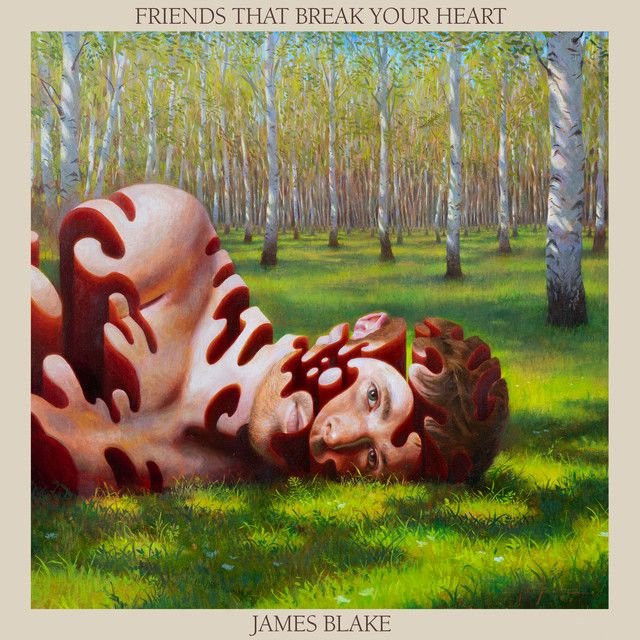
This song sits on Blake’s fifth studio album, also titled Friends That Break Your Heart. According to release information, the album arrived after a pandemic-era delay tied to physical production issues. That period of isolation likely sharpened the record’s focus on connection, rupture, and self-examination.
Blake also spoke in interviews about wanting collaborators who were open, experimental, and vulnerable. That language mirrors the song itself. It suggests that vulnerability is not just a lyric theme for them; it is part of how they understand art and relationships.
A broader reading
Interpretation: the song may not only be about betrayal. It can also be heard as a song about emotional misalignment—when people care for each other but still fail each other. The phrase all in love is fair
appears only to be challenged by the song’s final feeling: no, it is not fair, especially when the bond is friendship.
Final Take on the Song’s Meaning
So what is the meaning of Friends That Break Your Heart James Blake? It is a song about the kind of heartbreak people often overlook: the loss of trust, comfort, and identity that comes when friendships fail. Through spare writing, repeated confession, and ghostly memory images, Blake shows that friends can leave the deepest bruise because they are rarely expected to.
That is why the song lingers. It does not just describe pain. It names a pain many people feel but struggle to explain.
Disclaimer: This article offers an interpretation based on the lyrics, artist commentary, and album context. Song meaning can remain open, and different listeners may hear it differently.









