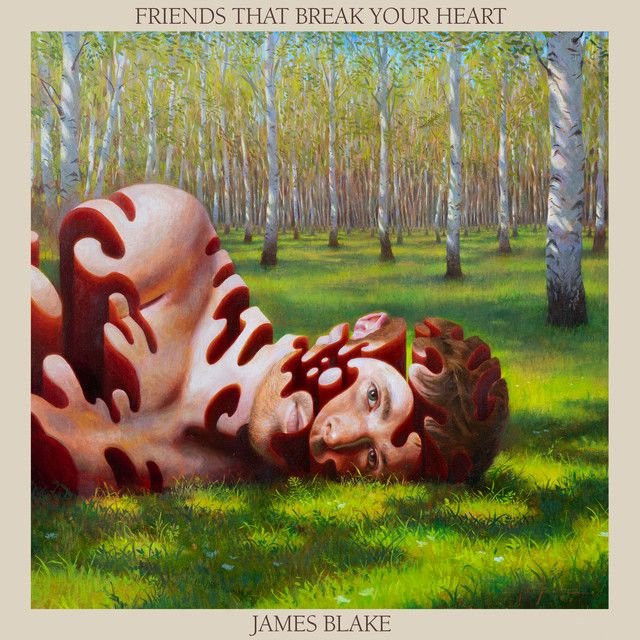
Lost Angel Nights by James Blake
The meaning of Lost Angel Nights James Blake seems to live in the space between apology and resignation.
"Lost Angel Nights" - James Blake
Provided by LyricFindWhatever makes you
Whatever makes you feel
Lost angel nightsLoading...Loading lyrics...
Unable to load lyrics
We're unable to display the lyrics at this time. Please try again later.
Why This Song Feels Like a Wound Reopened
James Blake often writes songs that sound quiet on the surface but carry a heavy emotional charge underneath. In "Lost Angel Nights," they build that feeling through repetition, fractured memories, and a narrator who seems to realize too late what they helped break.
At its heart, the song appears to be about a relationship that once felt rare and full of promise, but slowly slipped out of reach. The speaker looks back with regret, especially when they admit they were in their own way and still hope they can repair some of the damage.
Interpretation: the song is not only about losing another person. It is also about losing their place in a shared world.
The Chorus Turns Memory Into Myth
The title phrase Lost angel nights
is striking because it sounds both romantic and mournful. It suggests nights that once felt almost sacred, but now belong to the past.
That idea is deepened by never jaded eyes
. In plain terms, the song seems to remember someone before disappointment changed them. The narrator is not just missing a person; they are missing a version of that person, and maybe a version of themselves too.
Then comes the coldest line in the hook: away from me's just fine
. On the page, it sounds accepting. In performance, it feels more like forced acceptance than peace. They seem to be saying distance is okay because they have no power left to stop it.
A Relationship Already Under Strain
The verses make the emotional conflict clearer. The narrator admits, in essence, that they blocked their own happiness. When they say they were in their own way, the song moves from vague sadness to personal accountability.
That matters because the next idea is almost defensive: they still believe they once helped hold the relationship together. The message is complicated. They are confessing failure, but also reminding the other person that what they had was real and worth saving.
What the Story Seems to Be Saying
The emotional timeline looks something like this:
- The relationship once had momentum and hope.
- The narrator's behavior created distance.
- Time kept moving even while they stayed stuck.
- They now fear they have been replaced, emotionally or socially.
- They still want redemption, even if it may be too late.
That structure gives the song its ache. It is not about one dramatic ending. It is about the slow realization that life kept moving while the bond weakened.
The Most Painful Image in the Song
One of the sharpest moments is a thousand imitations rose up
. That phrase is abstract, but effective. It suggests the narrator feels displaced by copies, distractions, or new people who now fill the space they once held.
Interpretation: this could mean literal romantic replacement. It could also point to a more modern fear: that authentic intimacy has been swallowed by repetition, performance, or emotional numbness.
Either way, the line captures a crisis of identity. They are not only losing someone else. They are watching their own importance fade.
Sleep, Stagnation, and a World That Keeps Turning
Another key section describes someone sleeping through the day while the world continues without them. The point is not simple laziness. It sounds more like depression, withdrawal, or emotional shutdown.
The song contrasts that stillness with motion: life kept going around them. That contrast is central to the meaning of Lost Angel Nights James Blake. One person, or maybe both, became stuck. Time did not.
There is also a soft tragedy in the repeated reminder that they had so much going for us
. The line does not try to prove the relationship was perfect. It simply shows that loss hurts more when the future once looked possible.
How James Blake's Sound Deepens the Meaning
Even without heavy storytelling, the song's likely emotional effect fits James Blake's established style: sparse writing, repetition, intimate vocals, and a sense of empty space in the production. Across his catalog, they often use minimal arrangements and layered vocal textures to make emotion feel close and fragile, as noted in coverage from sources like AllMusic and The Guardian.
Here, repetition is especially important. The hook keeps returning like a thought the narrator cannot stop replaying. Instead of moving toward clean closure, the song circles the same emotional ground again and again.
That looping structure supports the message. Regret rarely arrives in neat sentences. It comes back in fragments.
Two Strong Ways to Read the Ending
The final turn, where the narrator says they fell right in
into the world with the other person, gives the song one last emotional twist. It suggests surrender, closeness, and total immersion.
Interpretation 1: it is a tender memory of love. They once entered a shared life so fully that separation now feels like losing gravity.
Interpretation 2: it is also a confession of dependence. Falling into another person's world can be beautiful, but it can leave someone lost when that world disappears.
Both readings fit the song because Blake leaves space for ambiguity instead of forcing one answer.
What 'Lost Angel Nights' Ultimately Means
The meaning of Lost Angel Nights James Blake is rooted in regret, idealized memory, and the fear of becoming a stranger to someone who once mattered deeply. The song shows a narrator trying to accept distance while still mourning what was possible.
Its power comes from how little it explains outright. With only a few repeated images, it captures guilt, longing, and the awful feeling that time moved on before healing could begin.
Disclaimer: This interpretation is based on the released lyrics and James Blake's broader artistic style. As with many of their songs, some meanings remain open to listener interpretation.









