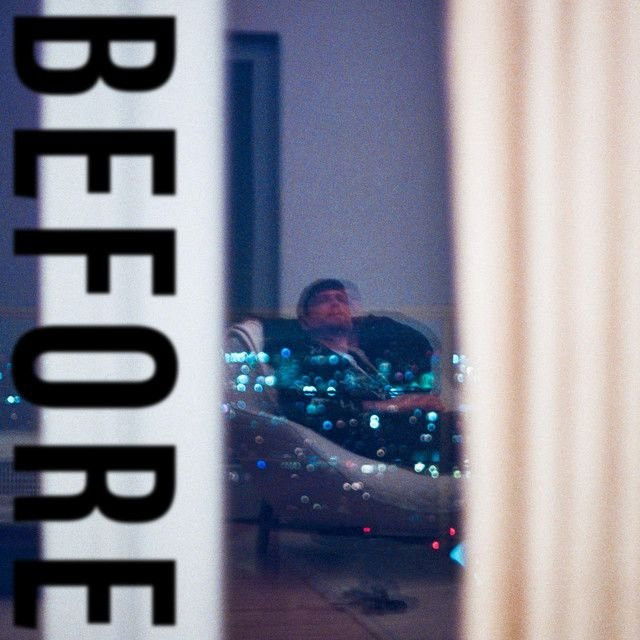
Summer Of Now by James Blake
The meaning of Summer Of Now James Blake comes into focus through one simple idea: they are trying to live in the present instead of being ruled by an old season, an old self, or an old relationship. The song sounds small and gentle on the surface, but its emotional argument is big. It says memory is powerful, yet it should not become a prison.
"Summer Of Now" - James Blake
And I'm not the sum of yours
I'm not the summer of 2015
Loading lyrics...
Unable to load lyrics
We're unable to display the lyrics at this time. Please try again later.
A Song About Escaping the Past Without Erasing It
At the heart of the song is a refusal to be reduced to pain. Early on, the narrator insists they are not the total of their fears, nor the other person’s fears. That matters because it frames the whole track as a correction. Instead of letting anxiety define identity, they push back and make room for change.
The key line is the contrast between summer of 2015
and summer of now
. In plain terms, they are saying: do not mistake them for who they were back then. They may carry history, but they are still capable of becoming someone new in the present.
Interpretation: that makes the song less nostalgic than it first appears. It mentions the past, but only to refuse its control.

Watch the official Summer Of Now
music video
The Hidden Relationship Story
There is clearly another person in view. The narrator imagines a call, a visit, and even a future meeting in a hotel. They seem to believe enough time has passed that reunion would not simply repeat old patterns. When they say the other person would be pleasantly surprised
, the line suggests growth, maturity, and maybe healing.
This gives the song a tender tension. They are hopeful, but not naive. They do not demand that the person return. They only imagine what could happen if that person chooses to reach out.
Waiting Without Chasing
The middle of the song uses hotel imagery to show emotional suspension. The repeated mention of life is in the lobby
creates a vivid picture of someone waiting in a public, in-between space. A lobby is not home, and it is not the street. It is a place of pause.
That image gets even stronger with the revolving door
. A revolving door suggests movement without true arrival. People come in, leave, circle, and pass by. In this song, it becomes a symbol for relationships that never fully settle.
How the Chorus Reframes Everything
The chorus is short, but it carries the whole meaning of Summer Of Now James Blake. By repeating summer of now
, the song turns present tense into a kind of promise. They cannot change the earlier season, but they can choose how to live this one.
Repetition matters here. James Blake often writes songs where one phrase deepens each time it returns, especially across the emotionally raw world of The Colour in Anything, an album widely described as centered on change, longing, and unstable connection in coverage from NME's 2016 track-by-track review. That broader context helps this song feel like part of a larger personal reckoning rather than an isolated memory.
The Hotel, the Room, and the Number 115
The last verse gets very specific. The narrator imagines the other person living in a hotel they once liked and says they want to visit in room one one five
. Specific numbers in songs often make feelings feel real, even if listeners never learn the full backstory.
Interpretation: room 115 may symbolize a private emotional place, something halfway between fantasy and memory. It could be an inside reference, but even without outside confirmation, its function is clear. It makes longing feel concrete.
That concreteness is important because the song is otherwise built on abstraction: worry, time, change, hope. The room number gives those ideas a door to knock on.
Why the Minimal Sound Fits the Message
James Blake is known for sparse production, fragile vocals, and songs that leave space around the words. Coverage of The Colour in Anything highlighted his mix of bare piano, electronic textures, and emotionally exposed singing, with the album arriving after the Mercury Prize-winning Overgrown and a period of major collaborations. That context matters because this song’s likely emotional power comes from restraint, not drama.
A song about waiting and self-redefinition works better when it does not sound crowded. Minimal production can mirror the emptiness of a lobby or hotel hall. Soft repetition can feel like someone rehearsing a truth until they believe it.
In that sense, the sound is not just decoration. It supports the theme. The pauses, plain language, and repeated hook all suggest someone trying to clear away noise and say only what matters.
Two Strong Ways to Read the Song
There are at least two persuasive readings:
- A relationship song: They are addressing someone from the past and hoping both people have changed enough to meet again in a healthier way.
- A self-renewal song: The other person may matter, but the deeper point is internal. They are reclaiming identity from fear, memory, and old emotional labels.
These readings do not cancel each other out. In fact, the song is stronger because it supports both.
Why This Song Still Lands
What makes this song moving is its humility. It does not promise total healing. It only says they are not trapped in one former summer. That is a modest claim, but also a brave one.
For many listeners, that is the real meaning of Summer Of Now James Blake: the present may not erase the past, yet it can still become a new season. And sometimes that is enough.
Disclaimer: This interpretation is based on the lyrics provided, publicly available artist context, and critical coverage. As with most songs, meaning can remain open to listener interpretation.








