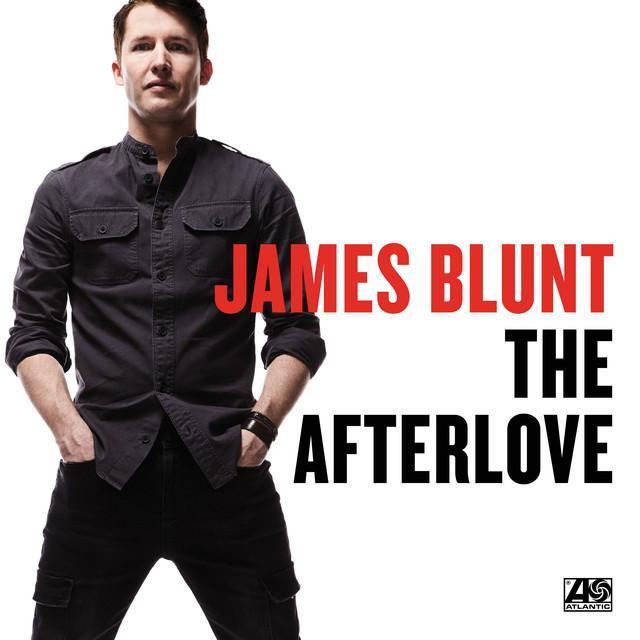
They don’t make many pop singles that clap back and swoon at the same time, but James Blunt’s “Love Me Better” does both. It turns the noise of public judgment into fuel for a private vow.
"Love Me Better" - James Blunt
Yeah I've been called a dick, I've been called so many things
I know I've done some shit that I admit deserves it, but that
Loading lyrics...
Unable to load lyrics
We're unable to display the lyrics at this time. Please try again later.
A spotlight sting, a private anchor
The central meaning of Love Me Better James Blunt is resilience through a relationship that steadies him. The opening line People say the meanest things
frames the hurt that fame can magnify. Rather than wallow, he pivots to gratitude for a partner whose care outlasts critics.
Interpretation: The song suggests that external voices lose power when someone close offers consistent, better love. It’s a move from image to intimacy, the celebrity version of a common feeling: when the world gets loud, home gets louder—in the best way.
Who’s speaking, and how do they change?
It’s a first-person confession to a romantic partner. Blunt admits he’s used lines before—Would have said you’re beautiful
—and even had an eye that wanders
. He owns shallow nights and the fear underneath them. That honesty matters; the song’s promise of growth lands because he names the flaw.
Over the track, the “I” shifts from self-conscious to self-assured. By the final verse, the narrator declares I don’t care what they think
, not because opinions vanished, but because a steadier love reframed their importance.
Timeline in three quick beats
- Bar doorstep: he resists a pickup cliché, hinting he wants more than a line.
- Car ride: from “treading water” to seeking “something that’s forever,” the mundane drive becomes a turning point.
- Home: they’re side by side in bed, a simple image of earned security.
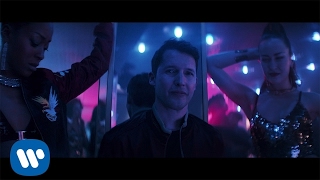
Watch the official Love Me Better
music video
Why the chorus hits harder than the verses
The hook’s comparative—love me better
—isn’t just flattery. It positions this relationship against past ones and against the public’s opinion. “Better” suggests progress, repair, and calibration. He isn’t seeking perfect love; he’s acknowledging a love that improves him.
Interpretation: The comparative language invites listeners to measure their own relationships not by fireworks, but by whether they bring out a better self. The catchy repetition makes that thesis easy to remember—and to feel.
Images that do the heavy lifting
Treading water
: He’s afloat but going nowhere—a picture of emotional burnout.- A bar threshold and the borrowed line: The song winks at his history and at overexposed fame, where even compliments carry baggage.
- The
eye that wanders
: He names temptation without bravado, making fidelity a chosen practice, not a given trait. - Domestic anchors: the drive to her sister’s and lying next to each other turn everyday scenes into proof that intimacy lives in routines, not just grand gestures.
Together these details shift the song from a generic love chorus to a grounded story. They show movement from performance and pretense to presence and permanence.
How the sound backs the story
Blunt wrote the track with Ryan Tedder and Zach Skelton; they also produced it. The result is sleek pop: tight drums, bright synth pulses, and a wide, radio-ready chorus. That sheen matters thematically. The confident mix mirrors the narrator’s turn from insecurity to certainty.
Production choices support the arc:
- Verses sit closer and confessional, giving room for lines about scrutiny and doubt.
- Pre-chorus chords rise, mirroring resolve.
- The chorus blooms with layered vocals, so the phrase “love me better” doesn’t feel needy—it lands as a victorious refrain.
The vocal is classic Blunt: slightly grainy, earnest, and melodic. It cuts through the polished backing, keeping the confession human inside the pop gloss.
Other angles—and why “better” matters
Interpretation: The song doubles as a response to career-long ribbing. By acknowledging the noise early, he claims it before it claims him. Another read centers growth: “better” isn’t just about the partner; it’s about becoming more trustworthy because the relationship asks for more.
The music video’s club setting underscores this duality. Amid glam and distraction, he stays oddly still, almost out of scale with the scene. It’s a visual metaphor for choosing depth over spectacle, ending with a connection that feels real, not performative.
Takeaway for listeners
If you’re looking for the meaning of Love Me Better James Blunt, here it is: the right relationship won’t erase your past, but it can reorient your present. The song argues for love that edits you kindly—firm, consistent, and yes, better.
Interpretation disclaimer: Song meanings are subjective. This analysis reflects one informed reading based on lyrics, credited production, and public context; individual interpretations may vary.









