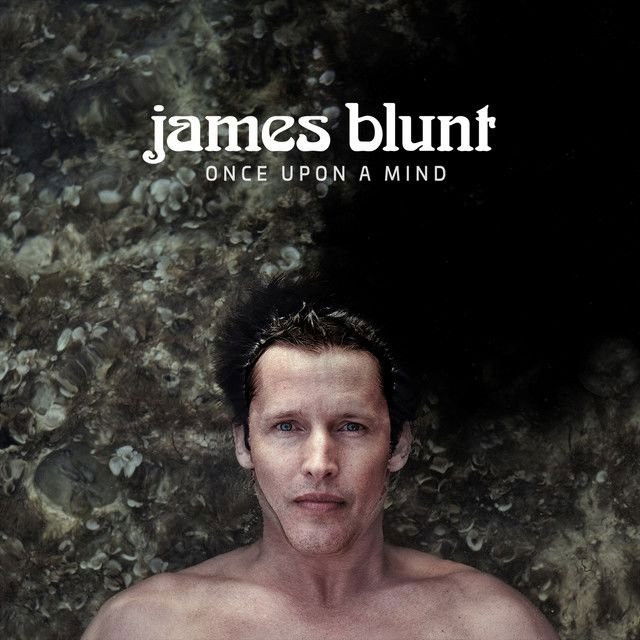
Why James Blunt’s “The Truth” Hits So Hard
The meaning of The Truth James Blunt comes down to a painful but hopeful realization: after chasing distractions, making mistakes, and feeling emotionally lost, they finally understand who really matters. It is a song about regret, but it is not trapped in regret. Instead, it turns confession into clarity.
"The Truth" - James Blunt
That I've walked on my own
Never thought I'd end up in this place (ooh-ooh)
Loading lyrics...
Unable to load lyrics
We're unable to display the lyrics at this time. Please try again later.
Released on Once Upon a Mind in 2019, the song was written by James Blunt, Steve Robson, and Cleo Tighe, with Robson also producing it, according to Songfacts and the album’s credited information. Those credits matter because the track blends Blunt’s familiar emotional directness with a polished pop-rock warmth that keeps the song from sinking into pure sadness.
A Love Song Built on Hard-Won Honesty
At its core, the song describes someone looking back on a period of emotional drift. They have been on a personal journey, and it has not gone well. Early on, the image of a long road sets the tone: this is not a quick mistake but a drawn-out season of isolation and poor choices.
The key emotional turn comes when the singer stops pretending that substitutes will work. They admit that no replacement can compare, summed up in the short phrase no one else but you
. That line matters because it is not about fantasy. It is about finally dropping denial.
Interpretation: This makes the song feel more mature than a simple breakup plea. It is less about winning someone back with grand gestures and more about facing the truth of their own behavior.
Watch the official The Truth
music video
How the Verses Move from Wandering to Clarity
The story unfolds in a clear order:
- They start alone and worn down.
- They admit they chased false comfort.
- They face guilt for what they have done.
- They reach a moment of emotional honesty.
- They try to find their way back.
That structure gives the song a strong sense of movement. The phrase empty highs
captures the middle stage especially well. It suggests thrills that felt exciting for a moment but delivered nothing lasting.
Later, the lyric about the morning sun
shifts the mood. Morning often symbolizes exposure and truth. Night can hide things; daylight cannot. In this song, morning is the hour when excuses stop working.
Why the Chorus Lands with Such Force
The chorus is where the song says its main idea most clearly. Instead of using complicated images, it stacks simple admissions: wasted time, bad choices, losses, and then one central realization.
I wasted all of these days and nights
Trying to chase all these empty highs
Those lines are effective because they are plainspoken. They sound like someone done performing. When the chorus ends with that’s the truth
, the title becomes more than a catchy hook. It becomes the moral center of the song.
Interpretation: The “truth” is not just that they miss someone. It is that they now understand what was real and what was fake in their own life.
The Person at the Center of the Song
Songfacts describes “The Truth” as an upbeat, heartwarming love note to Blunt’s wife, Sofia Wellesley. That context fits the lyrics well, especially the sense that the singer is not searching for a new romance but recognizing the value of an existing bond. Blunt and Wellesley married in 2014, several years before Once Upon a Mind arrived.
That said, the song still works for listeners who do not know the biography. The emotional setup is broad and relatable: many people have had the experience of learning too late that stability, loyalty, or love mattered more than excitement.
Symbols That Carry the Meaning
Several recurring images deepen the song’s message:
The road
The road suggests a life path marked by delay, uncertainty, and self-inflicted hardship.
Morning light
The dawn image represents moral clarity. They can finally see what they have done and what they need.
Distance and the light left on
Near the end, the song imagines widening distance and asks for a signal back. The brief idea of leave a light on
turns love into guidance, almost like a beacon.
These symbols are familiar, but they work because the song uses them cleanly rather than overloading them.
How the Sound Supports the Lyrics
The production helps explain why “The Truth” feels uplifting even while dealing with guilt. Steve Robson, who also worked with Blunt before and has a strong pop-writing background, gives the song momentum rather than heaviness, as noted by Songfacts.
The beat and melody move forward like a steady walk, matching the journey theme. The chorus opens up emotionally, and Blunt’s vocal delivery sounds earnest rather than theatrical. That choice is important: if the performance were too dramatic, the confession might feel manipulative. Instead, it feels sincere.
The music video, directed by Vaughan Arnell, reinforces the travel idea by showing Blunt moving through London with cameras attached, a visual that Songfacts says reflects people moving through life without always knowing where they are headed.
A Second Reading Worth Considering
The most grounded reading is romantic. Still, there is another possible interpretation.
Interpretation: The song can also be heard as a broader statement about maturity. In that version, the “you” may still be a partner, but the deeper point is about finally choosing truth over escape. The real opponent in the song is not another person. It is self-deception.
The Lasting Meaning of The Truth James Blunt
The meaning of The Truth James Blunt is powerful because it joins apology with hope. They do not deny the damage. They do not glamorize the wandering. But they also do not stay stuck there.
What remains is a simple insight: after all the noise, love is what proved real. That honesty gives the song its emotional weight and its warmth.
Disclaimer: This interpretation is based on the lyrics, credited context, and public commentary, but song meaning can remain personal and open to multiple readings.








