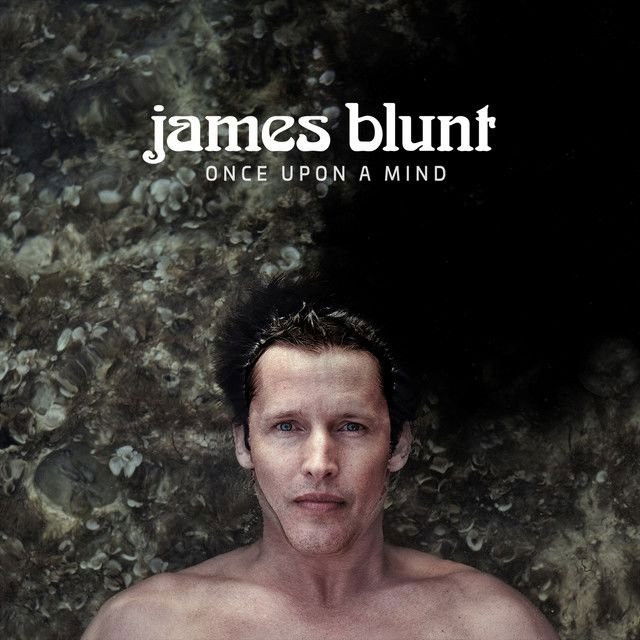
Why "Youngster" by James Blunt Feels So Timely
The meaning of Youngster James Blunt comes down to a simple but powerful idea: growing older does not have to mean growing smaller. The song faces time honestly, but it refuses to treat youth as something that only belongs to the past.
"Youngster" - James Blunt
My mama always said, "Life's better when you say yes"
All that you can do is dare to do your best
Loading lyrics...
Unable to load lyrics
We're unable to display the lyrics at this time. Please try again later.
James Blunt has long balanced sincerity with humor in public, but his catalog often returns to vulnerability and memory. That matters here. Blunt, an English singer-songwriter best known for global hits like You're Beautiful, has spent decades in the public eye, moving from early-2000s breakthrough act to established veteran artist. That wider career arc helps explain why a song like this lands with real weight.
The Heart of the Song Is Inner Youth
On the surface, "Youngster" is about getting older. Underneath, it is really about identity. The narrator knows time is moving. They can feel the pressure of age, competition, and change. But instead of mourning youth as a lost object, the song argues that youth can survive as attitude.
That idea comes through most clearly in the hook. When the singer says not getting any younger
, they are not sharing a new discovery. They are naming a fact everyone knows. The emotional turn comes right after, when that fact is matched with the belief that they are still a youngster
inside.
Interpretation: The song is not denying age. It is rejecting the idea that age gets the final word.

Watch the official Youngster
music video
Family Advice Gives the Lyrics Their Backbone
The verses are built around two pieces of guidance, one from the mother and one from the father. Each one teaches a different survival skill.
The mother says life is better when you say yes
. In plain terms, that means choosing courage, movement, and openness. She frames life as something to enter fully, not watch from the sidelines. That makes the song sound active rather than nostalgic.
The father offers the counterweight: say no
when rejection comes, and do not let it define you. His message is about resilience. If the mother's advice is about stepping forward, the father's is about staying steady when the world pushes back.
Together, those voices create the song's deeper theme. A youthful spirit is not just fun or rebellion. It is a practiced way of meeting life with heart, risk, and endurance.
The Chorus Turns Anxiety Into Defiance
The chorus is catchy because it puts two feelings side by side. One is insecurity. The line about steal my thunder
captures the fear of being replaced by younger, newer people. In pop music, that fear is especially sharp, where trends move fast and attention shifts quickly.
The other feeling is gratitude. The singer says they would not undo the journey or return to the beginning. That matters. The song is not fantasy about becoming young again. It is a mature defense of the self that age has built.
Some times my faceain't the face I rememberBut I'm the same kidthat I used to be
This is the emotional center of the lyric. The body changes. The mirror changes. But the essential self remains.
How the Lines Build the Theme
Several images repeat to support that message:
- The hand on the heart suggests honesty and conviction.
- Feet stuck to the ground suggest stagnation or feeling left behind.
- The changing face represents aging in a direct, human way.
- The inner kid symbolizes continuity, not denial.
Notice how the song moves from advice, to struggle, to self-recognition. First it receives wisdom. Then it admits frustration about feeling excluded. Finally, it reaches a stable truth: the self may age on the outside, but spirit can stay alive.
That structure makes the song more than a slogan. It feels earned.
Sound and Production Support the Message
Even without overcomplicated imagery, the song works because its musical design likely aims for uplift and momentum. The repeated chorus, direct melody, and conversational phrasing make the message easy to grasp and easy to sing back. That singalong quality fits a song about refusing to fade away.
Blunt's music often sits in the pop-rock and folk-pop space, blending emotional directness with accessible hooks, as reflected in broad overviews of his career and style. That context helps here: "Youngster" sounds built to be communal rather than private, a song meant to reassure listeners that they are not alone in feeling older but not finished.
Artist Context Makes It Hit Harder
Blunt was born in 1974 and first became a major international star in the 2000s. That matters because "Youngster" arrives from someone who has already seen fame rise, peak, and settle into longevity. In that sense, the lyric about younger people taking over feels believable rather than invented.
His career also shows that he often writes plainly when he wants emotional truth. In a brief discussion of songwriting around another deeply personal track, he said the most authentic songs come when something genuinely meaningful happens. That idea helps explain why "Youngster" feels so direct: it chooses emotional clarity over mystery.
A Useful Way to Read the Song Today
For many listeners in the United States, the meaning of Youngster James Blunt may feel larger than one artist's story. The song speaks to workers aging in youth-driven industries, parents wondering where the years went, and anyone who feels less visible than before.
Interpretation: It can also be heard as a gentle anti-ageism song. Instead of glorifying the new and dismissing the old, it argues that value does not expire when novelty does.
That is why the track feels warm instead of bitter. It does not attack youth. It simply asks older selves to remember their own spark.
The Lasting Takeaway
"Youngster" is about accepting time without surrendering personality. It admits fear, competition, and change, but it answers them with gratitude, memory, and will.
In short, the song says that youth is not only a number. Sometimes it is a posture of the heart.
Disclaimer: This article offers an interpretation based on the released lyrics, artist context, and musical cues. Song meanings can remain open, and different listeners may hear them differently.








