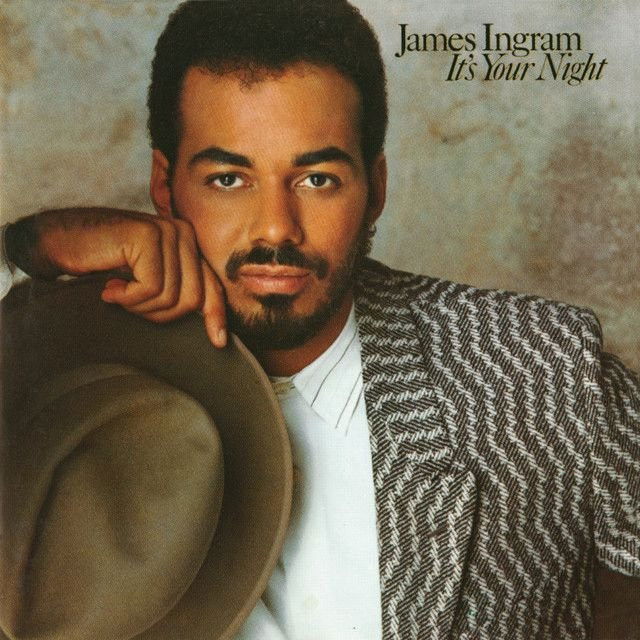
Why This Love Song Still Feels So Fragile
The meaning of How Do You Keep the Music Playing? James Ingram, Patti Austin comes down to one timeless fear: how do two people make love last when life, memory, and human nature keep changing? This duet is not about the rush of falling in love. It is about what comes after that rush, when devotion must survive doubt.
"How Do You Keep the Music Playing?" - James Ingram ft. Patti Austin
How do you make it last?
How do you keep the song from fading
Loading lyrics...
Unable to load lyrics
We're unable to display the lyrics at this time. Please try again later.
Written by Michel Legrand with lyrics by Alan and Marilyn Bergman for the 1982 film Best Friends, the song was introduced by James Ingram and Patti Austin and later released as a 1983 single. According to widely cited chart histories, it reached No. 45 on the Billboard Hot 100 and No. 5 on the Adult Contemporary chart, and it was nominated for the Academy Award for Best Original Song. Those facts help explain why the song has lasted: it speaks to adult love with unusual honesty.
A Love Song Built on Questions
What makes this ballad memorable is its structure. The opening does not offer a promise. It offers questions. When the singers ask how to keep love from fading too fast
, they frame romance as something beautiful but unstable.
That matters because the song never treats commitment as automatic. It wonders how someone can give themselves fully to another person and still keep a sense of self. It also asks how love can remain fresh when people are always changing.
Interpretation: The song suggests that real intimacy is scary because it asks for both surrender and balance. They want closeness, but they do not want to disappear inside it.

Watch the official How Do You Keep the Music Playing?
music video
The Real Conflict Hides Beneath the Melody
On the surface, this is a polished adult contemporary duet. Underneath, it is about anxiety. The key emotional line is not a grand declaration but a confession of fear. One singer says the feeling is now or never
, then admits that deeper love brings deeper worry.
That idea gives the song its emotional edge. The more they care, the more they realize they can be hurt. Even the image of hearing his name
points to jealousy, memory, and insecurity. Love here is not isolated from the past. It has rivals, ghosts, and possible heartbreaks.
Who are they singing to?
They seem to be singing both to each other and to themselves. The duet format turns private doubts into a shared conversation. Rather than one person reassuring the other, both voices inhabit the same emotional problem.
Interpretation: That shared uncertainty is the point. Lasting love may begin when two people stop pretending they are fearless.
Why the Chorus Feels Like an Answer
After all the questions, the chorus offers a conditional reply. It does not say love lasts because destiny guarantees it. It says love lasts if two people can remain lovers and friends, and if they work to improve the bond every day.
That is where the title metaphor opens up. Music stands for a relationship at its best: harmony, timing, listening, and emotion. To keep the music playing means to protect the spark without freezing it in place.
If we can be the best of lovers
Yet be the best of friends
If we can try with every day
The music never ends
This brief passage captures the song’s quiet wisdom. Romance alone is not enough. Friendship gives love endurance. Effort gives it motion.
The Sound Carries the Message
The arrangement supports that meaning beautifully. Produced by Quincy Jones and Johnny Mandel, the recording blends pop, R&B, and adult contemporary polish. The orchestral sweep gives the song elegance, while the gentle rhythm keeps it intimate instead of theatrical.
Ingram and Austin do not overpower the lyric. Their phrasing is controlled, warm, and conversational. That restraint matters. A song about emotional uncertainty could have been sung as pure drama, but they perform it with maturity.
The result sounds like two adults thinking out loud. The melody rises toward hope, yet the soft dynamics keep reminding listeners that this hope is delicate. Even the repeated idea of the song from fading
mirrors the arrangement, which feels suspended in careful balance.
Artist Context Makes the Song Deeper
James Ingram and Patti Austin were especially strong choices for this material because both artists could bring technical precision and emotional clarity. Their duet style fits a song that depends on conversation rather than showmanship.
The writers matter too. Alan and Marilyn Bergman were known for lyrics that treated adult relationships with complexity, and Michel Legrand often composed melodies that felt lush but emotionally unsettled. That combination explains why the song feels classy without becoming distant.
It also helps explain its long afterlife. Many major singers later recorded it, including Frank Sinatra, Tony Bennett, and Barbra Streisand. Songs survive like that when they offer more than a period-specific mood. This one offers a question almost every long-term couple understands.
The Central Meaning in Plain English
So what is the meaning of How Do You Keep the Music Playing? James Ingram, Patti Austin? It is about making peace with the fact that love does not stay alive on feeling alone.
The song argues that lasting romance needs three things:
- emotional honesty
- friendship as well as desire
- steady daily effort
Interpretation: Its deepest message may be that love becomes stronger when people admit it can fail. That fear does not ruin romance. It makes commitment real.
Why It Still Connects
Many love songs celebrate beginnings. This one respects maintenance. It understands that the hard part is not falling in love but helping it grow without losing wonder.
That is why the song still resonates. It does not sell a fantasy of perfect certainty. Instead, it offers a more believable hope: if two people keep listening, adapting, and caring, the music might keep playing.
Disclaimer: This interpretation blends documented song history with close reading of the lyrics and performance. Meaning can vary from listener to listener.









