Why 'Cavalier' Cuts Deep: James Vincent McMorrow’s Lament
They come to “Cavalier” expecting a love song. What they find is a memory that refuses to fade, a confession sung in falsetto, and a title that hints at bravery and carelessness at once. This guide explores the meaning of Cavalier James Vincent McMorrow and how sound, story, and symbolism make it so haunting.
"Cavalier" - James Vincent McMorrow
Settles in the same specific place
Light refused to go
Loading lyrics...
Unable to load lyrics
We're unable to display the lyrics at this time. Please try again later.
Memory as a Weight You Choose to Carry
At its core, the song is about first love and the ache of looking back. The narrator pushes through memory until it settles—he urges himself to Speak until the dust
, as if storytelling might calm the chaos.
But the past keeps glowing. The line Light refused to go
suggests moments that will not dim, even when they should. Interpretation: they’re stuck between honoring what was and trying to move on.

Watch the official Cavalier
music video
A Soft-Voiced Confessor, Speaking to a Ghost
The voice is first-person and intimate, as if addressing someone who isn’t there anymore. He circles the same memory, repeating I remember my first love
like a mantra. That repetition feels like both comfort and punishment.
Interpretation: the “you” is less a person than a version of the self built by that early relationship. Confession becomes self-portrait.
Scenes That Smell Like the Past
McMorrow writes in images instead of plot. Textures—cloth, dust, soil—do the storytelling. A moment like Half waist and high raised arms
reads like a snapshot of youth, a body suspended in carefree motion.
Then the body meets gravity. The admission I woke heavy
turns play into consequence. Interpretation: growing up happens between those two poles—weightless one day, unavoidably heavy the next.
Another image, Kicking at the slightest form
, suggests testing boundaries, acting before thinking. That’s where the title comes in. “Cavalier” can mean bold, even gallant, but also emotionally careless. The song lives in that contradiction.
The Refrain That Rewrites Everything
The hook is simple—I remember my first love
—and it reframes the verses as a eulogy for innocence. Each return to the line deepens the loss and clarifies the stakes: this isn’t a breakup diary; it’s a reckoning with how first love imprints on a person.
Interpretation: the refrain is the compass. No matter how abstract the verses feel, that one line tells listeners where the heart is pointing.
How the Sound Makes the Story True
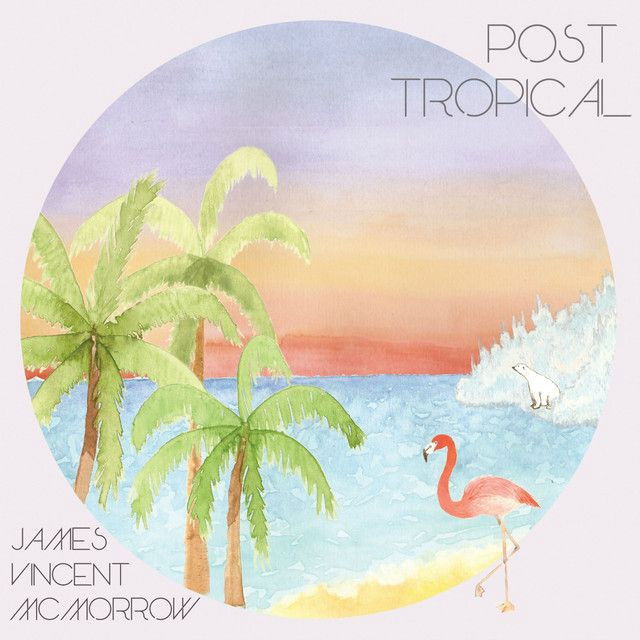
“Cavalier” arrived as the lead statement for Post Tropical, a pivot from McMorrow’s earlier folk palette into a more R&B-leaning, atmospheric sound. Critics noted the sensual production and layered falsetto as part of that shift. The track opens spare and patient, built on stacked vocals and soft keys, then slowly lets in sub-bass and hushed percussion.
That slow-bloom arrangement mirrors the lyric journey from hush to heaviness. His falsetto feels close—almost whispered—but the low-end throb widens the frame, like a wave of feeling rising from under the floorboards. Interpretation: restraint is the emotion. Each added layer is another truth the narrator can no longer hold back.
The Title’s Double Edge: Brave or Careless?
“Cavalier” is a loaded word. One reading is chivalry—charging toward love without fear. Another is indifference—treating love lightly and hurting someone in the process. The song uses both meanings at once.
When the narrator says he woke heavy, it reads like the morning after being too cavalier, the cost arriving with daylight. Yet the tenderness of the vocal suggests he was also gallant in his devotion. Interpretation: the song is the space where those two selves argue.
A Timeline You Can Feel, Not Map
There’s no linear plot, but you can trace the emotional beats:
- First spark and sensory rush (light, cloth, movement).
- A rush of confidence that blurs into recklessness.
- The sudden weight of consequence—waking heavy.
- The return to the mantra of first love, where pain and gratitude live together.
This shape explains why the song hits so many listeners: it sounds like how memory actually works—nonlinear, vivid, and stubborn.
Why Listeners Keep Returning
Beyond the puzzle-box lyrics, there’s a physical pleasure in the sound. The bass bloom, the shimmering harmonies, and the patient build make the track feel both intimate and cinematic. As a statement of intent for Post Tropical, it signals a new sonic direction without abandoning his gift for quiet drama.
For fans exploring the meaning of Cavalier James Vincent McMorrow, the key is to balance image with feeling. Let the pictures wash over you; then notice how the music holds them in place.
Final Thought
Interpretation: “Cavalier” is a love letter to a first love and a gentle indictment of the self who didn’t yet know how to hold it. The song doesn’t choose between bravery and carelessness—it names the cost of both.
Disclaimer: Song meanings are subjective. This analysis reflects one informed reading based on lyrics, performance, and public reception.







