Who Hung the Moon by Jamestown Revival
A love song that keeps looking at the sky
The meaning of Who Hung the Moon Jamestown Revival starts with a simple contrast: one private, passing moment set against the size of the universe. The song watches a woman move through a room, then quickly widens its lens toward stars, time, and the old human habit of asking impossible questions.
"Who Hung the Moon" - Jamestown Revival
The psilocybin it starts to kick in
She gives it away with a glance and a grin
Loading lyrics...
Unable to load lyrics
We're unable to display the lyrics at this time. Please try again later.
That contrast is not just a listener theory. In an EARMILK premiere, Zach Chance said the song is about feeling small in an expanding universe while also being carried by intimacy and joy. That quote helps frame the track: it is not only a romance song, and not only a stargazing song. It is about both at once.
Watch the official Who Hung the Moon
music video
The central idea behind the lyrics
At heart, the song captures awe. The narrator is taken by a person, but also by existence itself. Her presence sparks a kind of wonder that turns into bigger thoughts about age, purpose, and scale.
The opening images suggest altered perception and heightened feeling. When the lyrics mention the wind
and psilocybin
, they create a dreamy state without needing a full story. Factually, the song does mention psychedelic experience. Interpretation: that detail may work less as shock value and more as a clue that the narrator's senses are open, porous, and unusually alert.
From there, the emotional movement is clear. A glance becomes a whole inner event. A short moment feels endless, then vanishes. That is why the song keeps returning to youth, time, and the moon. It knows beauty is brief.
Scene by scene, what happens in the song
The lyric narrative is spare, but it still unfolds in a neat arc:
- A woman enters with a magnetic presence.
- The narrator feels lifted into a dreamlike state.
- He tries to hold onto the moment before it passes.
- His thoughts drift upward, toward stars and cosmic questions.
- The chorus lands on the title question as a symbol of wonder.
One of the song's smartest touches is how quickly it shifts scale. It begins almost like a snapshot of flirtation, then jumps to staring at stars
. That leap tells listeners the song is really about what a fleeting connection does to the mind. It makes ordinary people ask ancient questions.
Why the chorus matters so much
The refrain carries the emotional thesis. When the song describes being young and wild
while also growing old too soon
, it frames youth as both vivid and fragile. They feel alive, but they also feel time moving.
That is where the title question becomes powerful. Asking who “hung the moon” is not a literal search for an answer. It is a poetic way to express wonder at beauty, creation, and mystery. In plain terms, the narrator is so overwhelmed by the moment that normal language stops working.
Under a blanket of infinite time
Drunk on the air
Those lines, taken briefly, show how the song blends earthbound sensation with cosmic scale. The body is present, but so is eternity.
The biggest symbols in “Who Hung the Moon”
Several recurring images deepen the meaning of Who Hung the Moon Jamestown Revival.
The moon as mystery
The moon stands for beauty that feels arranged by a force larger than human life. It also suggests romance, distance, and timelessness. Interpretation: the title may imply that love can make the world feel newly made, as if someone just placed the moon in the sky.
Stars and infinite time
The stars expand the song's emotional frame. They remind the narrator that one life is tiny, yet still meaningful. This matches Jamestown Revival's own explanation of the song's theme.
Youth and aging
The lyric about growing old too soon points to a common fear: that beautiful moments pass before people understand them. The song does not sound bitter about that. It sounds wistful and awake.
Intoxication and perception
Wine, air, and psilocybin all suggest loosened boundaries. Interpretation: these details may symbolize not just substances, but the broader feeling of being overtaken by experience.
How the sound carries the meaning
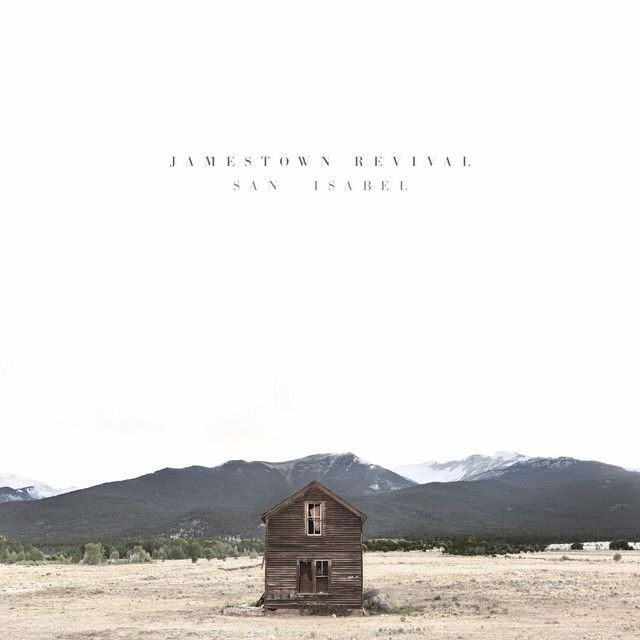
Jamestown Revival are the Texas-rooted duo Johnathan Clay and Zach Chance, known for close harmonies and a mix of folk, Americana, and soft rock textures. Their album San Isabel includes this song, released in 2019.
On “Who Hung the Moon,” the production supports the lyric's sense of wonder. The guitars are light and steady rather than dramatic. The harmonies feel warm and close, almost like two thoughts moving together. EARMILK described the track as ethereal, with playful strumming and soulful closing vocal lines, and that is an accurate guide to why the song works.
Nothing in the arrangement rushes the listener. That matters. A song about trying to hold a moment needs space, and this one gives it space. The result feels suspended, as if the music itself is looking upward.
Two strong ways to read the song
There is more than one fair reading here.
First, it can be heard as a love song about a passing encounter that becomes spiritually large. The woman's presence triggers gratitude, wonder, and fear of loss.
Second, it can be heard as a broader meditation on consciousness. In that reading, the woman is part of the scene, but the real subject is the sudden awareness of being alive at all.
Both interpretations fit the lyrics, and both are strengthened by the band's stated interest in existence, significance, and the universe.
Why the song stays with listeners
“What does this all mean?” is a huge question, but Jamestown Revival ask it gently. They do not turn the song into a lecture. They keep it human, rooted in a room, a glance, a night sky, and a feeling that cannot last.
That is the real meaning of Who Hung the Moon Jamestown Revival: a brief intimate moment can make people feel both tiny and deeply alive. The song honors that contradiction instead of solving it.
Disclaimer: This interpretation mixes documented artist context with reasoned reading of the lyrics. As with any song, listeners may hear its meaning differently.







