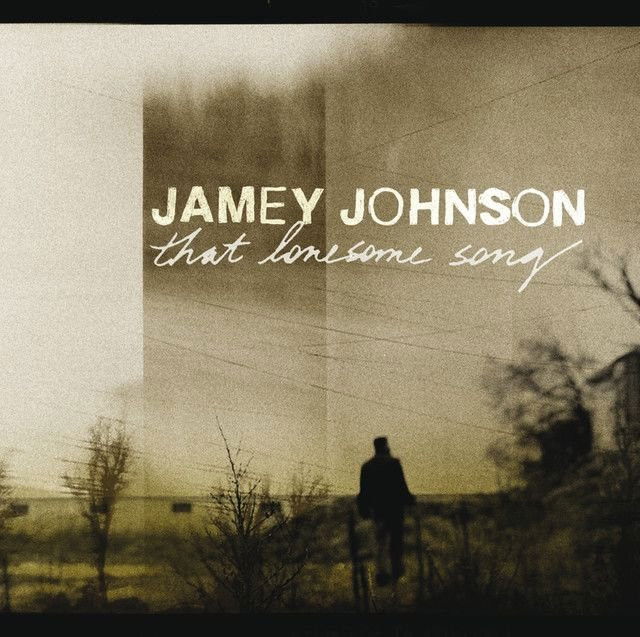
High Cost of Living by Jamey Johnson
Why This Song Still Hits So Hard
The meaning of High Cost of Living Jamey Johnson comes down to a hard truth: getting high feels like escape in the moment, but the real price is a wrecked life. The song follows a man who once looked ordinary from the outside, then slid into addiction, isolation, and prison. It is not written like a lecture. Instead, it sounds like a confession told after the damage is done.
"High Cost of Living" - Jamey Johnson
Life was just a nine to five
With bills and pressure
Loading lyrics...
Unable to load lyrics
We're unable to display the lyrics at this time. Please try again later.
Released on Johnson’s 2008 album That Lonesome Song, the track fits his reputation for plainspoken, bruised country writing. It was written by Jamey Johnson and James T. Slater. That matters, because the song feels lived-in rather than invented for drama.

Watch the official High Cost of Living
music video
The Core Story Beneath the Chorus
At the start, the narrator presents themself as a regular working person. They had a routine, bills, and pressure. That ordinary life does not seem joyful, but it is stable. The first emotional turn comes when they start spending time with wilder friends
and looking for another way to feel free.
That is the song’s first key idea: addiction does not arrive as pure chaos. It starts as relief. They are bored, stressed, and numb, and drugs seem like a shortcut out of that feeling.
The chorus then delivers the main lesson in one unforgettable line: the high cost of livin'
is still less than the cost of livin' high
. In plain terms, everyday stress is hard, but addiction is harder. Rent, work, and responsibility may feel heavy, yet they are nothing compared with the loss that follows substance abuse.
A Fall Told in Three Sharp Scenes
From boredom to dependence
The early verses show how fast the spiral grows. The narrator can go days without sleep or food, and what once seemed extreme starts to feel normal. Johnson’s writing makes this chilling because they do not describe it as exciting. They describe it as routine.
That word matters. The song repeats the idea that life became the same damn thing
. Interpretation: this suggests drugs did not create freedom at all. They only replaced one dull cycle with a deadlier one.
Faith and distance
One of the strongest images comes in the church parking lot. The narrator sits under a huge cross, smokes, and prays, yet still feels lost. The image is powerful because it puts faith close by, but not fully reached.
staring at that giant cross
I was lost
This is the article’s clearest spiritual moment. The cross is visible, but it does not magically rescue them. Interpretation: the song suggests that seeing a symbol of salvation is not the same as accepting help or changing behavior.
Consequences arrive all at once
The last major scene is the motel raid. Police break in, and the narrator is forced to face what they traded away: work, land, marriage, dignity. When they admit they lost a good life to drugs and reckless choices, the song stops being only about intoxication. It becomes a song about exchange. They gave up lasting things for temporary highs.
What the Chorus Really Means
The hook is famous because it flips a common phrase into something deeper. Many people talk about the “high cost of living” to mean inflation or daily expenses. Johnson turns that familiar saying into a moral and emotional comparison.
His point is simple: ordinary adult life can feel crushing, but self-destruction costs more. It costs relationships, self-respect, freedom, and time. By repeating the chorus after each verse, the song shows that every stage of the downfall proves the same truth.
Sound That Feels Like a Reckoning
Part of the meaning of High Cost of Living Jamey Johnson comes from its sound. The production is restrained, with a slow tempo and a traditional country feel. There is no flashy push in the arrangement to make the downfall seem thrilling.
Instead, the instrumentation leaves space around the voice. That emptiness matters. It creates the feeling of a late-night confession, as if the narrator has nowhere left to hide. Johnson’s deep baritone does a lot of the emotional work too. He does not oversing the pain. He sounds tired, honest, and fully aware of the wreckage.
The song’s placement on Mercury Nashville also fits a period when Johnson was widely praised for bringing back a rougher, more classic country style. That style helps the message land: this is not glamorous outlaw myth. It is aftermath.
Regret, Prison, and the Song’s Final Twist
Near the end, the narrator says sobriety gives them time to think. That sounds positive at first, but Johnson turns it into another painful truth. Reflection is its own punishment when someone finally sees what they ruined.
Then comes one of the most important lines in the song’s story: prison is colder than the earlier prison they lived in before arrest. Interpretation: the song presents two prisons. One is the literal jail cell. The other is addiction itself. The legal sentence only reveals how trapped they already were.
That idea makes the song bigger than one person’s downfall. It speaks to anyone who has confused escape with freedom.
The Lasting Meaning for Listeners
The meaning of High Cost of Living Jamey Johnson is not just that drugs are dangerous. Many songs say that. This one goes further by showing how addiction can grow out of boredom, pressure, and emotional emptiness. It also shows that regret does not erase damage.
What makes the song endure is its refusal to judge from a distance. It stays close to the narrator’s choices, losses, and self-knowledge. They know exactly what happened, and that honesty gives the song its force.
That is why the track still connects with listeners in the United States who value story-driven country music. It is a cautionary song, but also a human one.
Disclaimer: This interpretation is based on the lyrics, recording context, and public song information. As with any art, listeners may hear different meanings in it.