Why ‘Mary Go Round’ Hurts So Much
The heart of the song
The meaning of Mary Go Round Jamey Johnson centers on watching someone self-destruct and feeling powerless to stop it. The song is built on a pun: Mary is a person, but the title also points to a destructive cycle, the “merry-go-round” of nightlife, drinking, and bad decisions.
"Mary Go Round" - Jamey Johnson
But my world started spinning around
Till it wasn't enough
Loading lyrics...
Unable to load lyrics
We're unable to display the lyrics at this time. Please try again later.
In simple terms, the narrator remembers a love that once felt stable and beautiful. Then something breaks. By the chorus, they are no longer talking about romance alone. They are talking about a spiral.
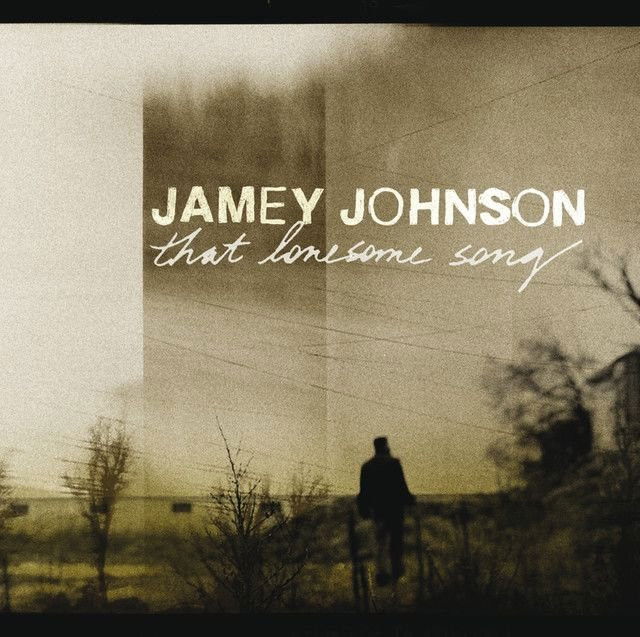
Jamey Johnson co-wrote the song with Wyatt Beard, and it appears on That Lonesome Song, released in 2008. Critics often note that the album lives in themes of regret, loneliness, and self-inflicted pain, with spare arrangements that keep the writing front and center (PopMatters). That context matters, because “Mary Go Round” fits that world exactly.

Watch the official Mary Go Round
music video
A love story turning into a warning
At first, the song sounds like a breakup ballad. The narrator says they and Mary once looked like the ideal couple. Then their world starts spinning, and that image falls apart. The key emotional move is that the singer does not only mourn the relationship. They mourn what Mary becomes afterward.
When the chorus repeats Mary go round
, it works two ways at once. It sounds like a plea to Mary, but it also sounds like a cruel machine that keeps moving whether anyone is safe or not. That double meaning is the song’s sharpest writing choice.
Interpretation: The narrator may carry guilt. They suggest they “slipped and fell,” and Mary’s life seemed to worsen after that. The song does not fully explain what they did, which makes the regret feel stronger. They are stuck with the fear that their failure helped push her toward danger.
The chorus and its central message
The chorus gives the song’s clearest warning: free love ain't free
. That line is not really about judging romance in a narrow moral sense. It is about consequences. The temporary thrill of running wild comes with a cost, and the song says that cost can be emotional, spiritual, and physical.
The image of spinning until someone hits the ground is simple but effective. A merry-go-round looks playful from a distance, but if it keeps spinning too fast, it becomes scary. That is exactly how the song sees Mary’s new life.
This ain't no game
these demons ain't playing around
Those lines shift the track from sadness to alarm. The narrator is no longer only heartbroken. They are terrified.
“Demons,” town, and the fall
The second verse expands the danger. Mary takes her pain “to town,” and that phrase matters. In country music, town can be a place of escape, temptation, noise, and public ruin. The singer fears that Mary is trying to numb heartbreak through drinking, attention, and reckless company.
The song’s use of devil's playground
and “demons” pushes the story beyond a normal breakup. This is not framed as healthy moving on. It sounds closer to addiction, self-sabotage, or at least a pattern of choices that deepen pain instead of healing it.
Interpretation: The “demons” may be literal substances, toxic people, or inner despair. The lyric leaves room for all three. That ambiguity is one reason the song lingers.
PopMatters described the track as being told from the perspective of a man watching a woman he cares about run around town with other men, and that reading fits the lyrics well (PopMatters). Still, the song reaches beyond jealousy. It sounds more wounded than possessive.
How the sound supports the meaning
One reason “Mary Go Round” lands so hard is its traditional country setting. Johnson’s work on That Lonesome Song is often praised for a rough, lived-in vocal tone and restrained arrangements that let the words hit directly (PopMatters). That approach suits this song.
The likely mix of steel guitar, steady rhythm, and unhurried pacing gives the story room to breathe. Nothing feels glossy or rushed. Instead, the track moves like someone replaying a disaster in their mind.
Johnson’s voice is especially important here. They do not need to oversing a line like heartache to town
. The worn texture in the performance already suggests history, blame, and exhaustion. In that sense, the production helps the song avoid melodrama. It feels observed, not exaggerated.
Where the song sits in Jamey Johnson’s catalog
“Mary Go Round” belongs to an album deeply concerned with loneliness and the damage people do to themselves and each other. That Lonesome Song was released by Mercury Nashville on August 5, 2008, and became one of Johnson’s defining records (PopMatters).
That broader album context sharpens the song’s meaning. Johnson often writes or chooses material where bad choices are not romanticized. Pain may be sung beautifully, but it is still pain. “Mary Go Round” follows that rule. It understands temptation, yet it never mistakes it for freedom.
Final takeaway
So, what is the meaning of Mary Go Round Jamey Johnson? It is a song about love turning into helpless witness. The narrator sees a woman they still care about chasing relief in ways that only deepen her wounds, and they know that once a cycle starts, it can be hard to step off.
The title’s wordplay, the dark spiritual imagery, and the plainspoken country sound all point to the same truth: some forms of escape only create a new prison. That is why the song feels sadder than a normal breakup song. It is not just about losing Mary. It is about watching Mary disappear.
Disclaimer: This interpretation is based on the released lyrics, recording, and available critical context. As with all songs, listeners may hear meanings that differ from this reading.