Rush Hour by Jane Wiedlin
Why This Love Song Feels in Motion
The meaning of Rush Hour Jane Wiedlin centers on attraction that turns an ordinary drive into a charged, almost cinematic moment. On the surface, the song is simple: two people are in a car, traffic is slow, and closeness builds. Under that surface, though, the road becomes a metaphor for desire, anticipation, and surrender to a feeling that arrives faster than the vehicle itself.
"Rush Hour" - Jane Wiedlin
I'm so dizzy I can't see
Can't make out the forest for the trees
Loading lyrics...
Unable to load lyrics
We're unable to display the lyrics at this time. Please try again later.
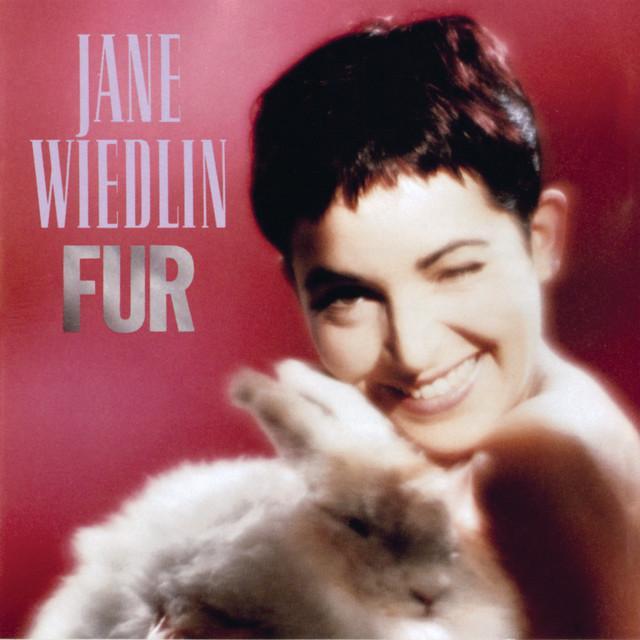
Jane Wiedlin, known first as a member of the Go-Go's, brought that same sharp pop instinct into her solo work. “Rush Hour” appeared on her 1988 album Fur and became one of her best-known solo hits. That context matters because the song blends new wave polish with late-1980s pop sheen, making romance sound exciting rather than heavy.

Watch the official Rush Hour
music video
The Core Meaning Behind the Song
At heart, the song is about how desire changes perception. The narrator starts in a dazed state, almost overwhelmed. When they describe being dizzy and unable to think clearly, the song suggests that attraction can feel disorienting in the best way.
Then the scene narrows. Traffic slows, but emotional tension rises. That contrast is the song’s smartest trick. While the outside world is crawling, the inner world is speeding up. A line like traffic's slowing down
is not only literal. It also makes space for intimacy.
Interpretation: The title phrase turns a frustrating part of city life into a symbol of romantic intensity. “Rush hour” usually means stress, noise, and delay. Here, it means a private rush of feeling. The song flips annoyance into pleasure.
A Mini Story Told in Three Beats
The lyrics work like a very short movie scene. They move in clear stages:
- The rush begins. The narrator feels physically affected, almost overwhelmed, as attraction takes hold.
- The car becomes intimate space. Sitting close together changes the mood from public to private.
- Desire becomes mutual. By the time the chorus lands, the ride is no longer just transportation. It is emotional momentum.
A key phrase is when you're at the wheel
. Before and after that phrase, the song makes clear that the driver has both literal control of the car and symbolic control of the moment. That double meaning helps explain why the song feels playful and sexy without becoming too explicit.
What the Chorus Really Adds
The chorus is where the metaphor locks into place. When the song repeats driving in the rush hour
, it reframes the whole scene. This is not a song about commuting. It is a song about being swept up in chemistry.
The repeated hook also matters emotionally. Pop choruses often simplify a feeling into one memorable image, and this one does exactly that. The song says that being near this person creates a rush all its own. Another short phrase, it's such a rush
, spells out that excitement directly.
We're driving in the rush hour
You take me to the rush hour
In these lines, the idea is clear: the other person is not just sharing the moment; they are intensifying it. The attraction feels guided, almost irresistible.
Symbols Under the Hood
Several images carry the song’s meaning.
The Car as a Private Bubble
A car is public and private at once. It moves through the city, but inside it, two people can feel isolated from everyone else. That tension gives the song its setup: the world is crowded, yet the pair feel alone.
Speed Versus Slowness
The song keeps balancing motion and delay. Traffic is slow, but emotion is quick. The body responds before the mind catches up. A phrase like all alone with you
captures how a packed road can still feel intimate.
Heat and Nearness
Later lyrics describe the space getting hotter and the pair moving closer. Those details signal rising desire without saying too much. The writing stays radio-friendly, but the meaning is easy to catch.
How the Sound Carries the Meaning
Production is a big part of why “Rush Hour” works. The beat is crisp, upbeat, and dance-pop friendly, which keeps the song light on its feet. Bright synthesizers and a clean drum sound create forward motion, while Wiedlin’s vocal delivery stays breathy and animated enough to sell the flirtation.
That matters because the lyrics alone could have been slower or more serious. Instead, the arrangement makes the attraction feel fun, fizzy, and immediate. The song does not treat desire as dangerous heartbreak. It treats it as a thrilling spark.
Factual note: The song was written by Jane Wiedlin and Peter Carr Rafelson. That co-writing balance may help explain its mix of catchy hook craft and vivid scenario writing.
Artist Context Helps Explain the Tone
Wiedlin’s background in the Go-Go’s is important to the song’s reception. Audiences already knew them for smart, hook-heavy pop rock, and “Rush Hour” extends that instinct into a more polished late-80s sound. It feels adult and flirtatious, but still accessible.
That mix likely helped the song connect with listeners. It is sensual without being dark, and suggestive without losing its pop brightness. For many fans, that is why it remains memorable: the song captures the first hot wave of attraction better than the aftermath.
Alternate Ways to Read It
There is a straightforward reading and a slightly deeper one.
Literal reading: It is simply a flirtatious song about kissing in traffic and enjoying a moment of closeness.
Interpretation: It can also be heard as a song about giving in to emotion. The driver image suggests trust, and the repeated sense of being carried somewhere suggests letting desire lead.
Both readings fit the lyrics. The song’s strength is that it does not force a heavy message. It uses a familiar setting to make a common feeling vivid.
Final Take on Its Lasting Appeal
The meaning of Rush Hour Jane Wiedlin comes down to this: everyday life suddenly feels electric when attraction takes over. The song turns traffic, waiting, and closeness into a bright metaphor for romantic momentum.
That is why it still works. It understands that love songs do not always need grand tragedy or deep mystery. Sometimes they just need the exact right image, the right hook, and the feeling that one ordinary moment has started to glow.
Disclaimer: This interpretation blends factual context with informed reading of the lyrics and sound. As with most pop songs, listeners may hear slightly different meanings in the same lines.







