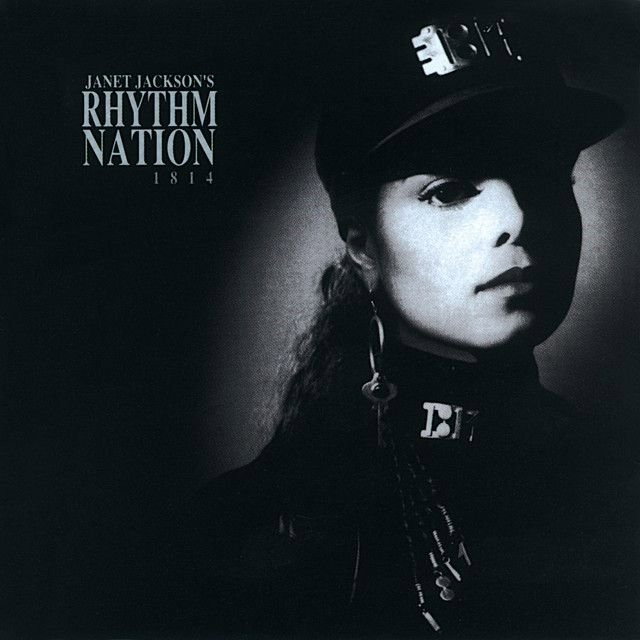
Black Cat by Janet Jackson
Janet Jackson’s “Black Cat” stands out in her catalog because it trades sleek pop and dance grooves for a louder, harder rock edge. That shift matters to the meaning. The song is not a love ballad or a simple breakup track. At its core, the meaning of Black Cat Janet Jackson is a warning: the narrator sees someone they care about heading toward danger, lying about it, and acting like they cannot be hurt.
"Black Cat" - Janet Jackson
Never 'round to love me
You're always gone
Loading lyrics...
Unable to load lyrics
We're unable to display the lyrics at this time. Please try again later.
Rather than romanticizing rebellion, the song pushes back against it. The narrator is frustrated, scared, and tired of excuses. That emotional mix gives “Black Cat” its force.
A Warning Disguised as a Rock Anthem
On the surface, the lyrics address a reckless man who keeps disappearing, breaking rules, and living fast. The narrator watches him choose risk over trust. When the song uses the image black cat, nine lives
, it suggests a person acting as if luck will protect him forever.
That is the key tension in the song. He behaves like he has endless chances, but the narrator believes that belief is false. The line livin' on the edge
frames his lifestyle as unstable, not exciting.
Interpretation: The song can be heard as a direct message to one person, but it also works as a broader warning about self-destructive behavior. Its message is less “you are wild” and more “you are running out of time.”

Watch the official Black Cat
music video
Who Is Speaking and Why It Hurts
The song uses a first-person voice, but the emotional target is clearly another person. The narrator is not distant or cold. They are deeply involved, which is why the anger lands as concern. Early lines describe lonely nights and repeated absence, showing that his behavior harms both himself and the relationship.
When the narrator says telling me lies
, the issue becomes bigger than danger alone. This is also about broken trust. He is not just taking risks; he is hiding things and expecting patience in return.
That combination makes the song feel personal. The narrator is not speaking as a judge from the outside. They sound like someone who has waited, worried, and finally reached a breaking point.
How the Verses Build the Story
The song moves in a clear emotional sequence:
- The narrator describes neglect and absence.
- They connect that absence to rule-breaking and dangerous company.
- They warn him that he will understand the cost too late.
- The chorus turns that warning into a blunt prediction.
This structure matters. Each verse adds evidence that the man’s lifestyle is unsustainable. Phrases like dangerous life
and better watch your step
are not random threats. They sum up the lesson the verses have been building toward.
Black cat, nine lives
Short days, long nights
Livin' on the edge
In that brief chorus section, the imagery does a lot of work. The “nine lives” idea suggests false invincibility. “Short days, long nights” hints at a life burning out quickly while getting lost in chaos.
The Symbol of the Black Cat
A black cat usually carries meanings tied to superstition, bad luck, or mystery. Janet Jackson flips that image into a symbol for a man who thinks he can outrun consequences. He acts cursed and lucky at the same time.
That is what makes the symbol effective. A cat is agile and hard to catch, but it is also vulnerable. The song turns that tension into character study. He seems smooth, bold, and always one step ahead, yet the narrator sees how fragile that image really is.
Interpretation: The “black cat” may also reflect how danger can look attractive from a distance. The song strips away that glamour and replaces it with fear, exhaustion, and grief before the loss has even happened.
Why the Sound Changes Everything
“Black Cat” was released on Rhythm Nation 1814, an album known for social themes and polished pop-R&B, making its hard-rock attack especially striking. According to the album overview, the song sits inside a project already concerned with pressure, pain, and conflict. Its sonic shift gives this warning a sharper edge.
The production leans on distorted guitars, a strong backbeat, and tense momentum. Instead of sounding dreamy or reflective, the track sounds urgent. The guitar work, especially around the solo break, mirrors the chaos the lyrics describe.
Janet Jackson also attacks the vocal differently here. She sounds more forceful and rough around the edges than on many of her smoother hits. That choice makes the narrator’s fear feel active, not helpless.
For chart and release context, the song became a major single from Rhythm Nation 1814, showing how well Jackson could carry this heavier style without losing emotional clarity.
A Different Kind of Janet Jackson Song
Part of what makes the meaning of Black Cat Janet Jackson so memorable is contrast. Jackson is often praised for control, precision, and layered rhythm. Here, she uses those strengths inside a song that feels loud and nearly volatile.
That does not make the song less thoughtful. In fact, the rock setting sharpens the message. A softer arrangement might have made the lyrics sound like worry. This arrangement makes them sound like alarm.
Final Take on the Song’s Meaning
The best way to read “Black Cat” is as a confrontation with reckless masculinity, dishonesty, and the fantasy of being untouchable. The narrator sees a man mistaking risk for power and speed for freedom. The song answers that fantasy with a hard truth: luck runs out.
That is why the track still hits. It is catchy, but it is not casual. Beneath the guitars and chorus hook is a voice trying to stop disaster before it arrives.
Disclaimer: This interpretation is based on the lyrics, performance, and available context. Like all art, “Black Cat” can support more than one reasonable reading.








