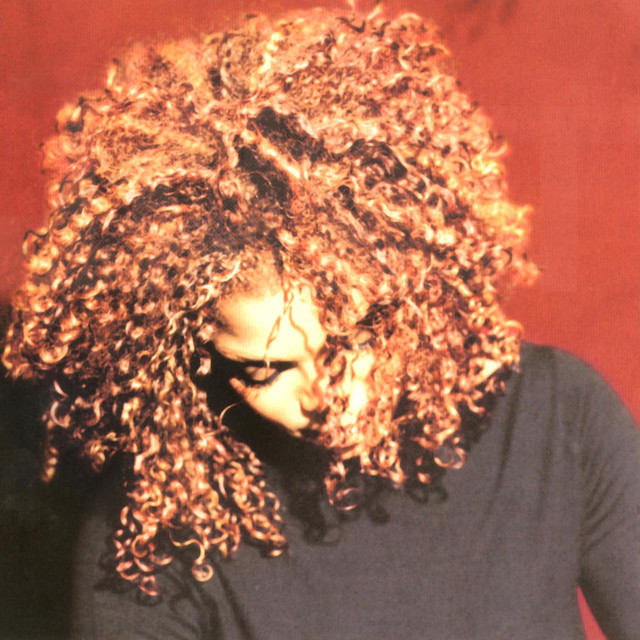
Together Again by Janet Jackson
Janet Jackson turned a song about death into one of pop’s warmest celebrations of memory.
"Together Again" - Janet Jackson
Provided by LyricFindThere are times
When I look above
And beyondLoading...Loading lyrics...
Unable to load lyrics
We're unable to display the lyrics at this time. Please try again later.
Why the meaning of Together Again Janet Jackson still hits
The meaning of Together Again Janet Jackson starts with a brave contrast: the song is about loss, but it moves like a celebration. Released on The Velvet Rope in 1997, the track was written by Janet Jackson with Jimmy Jam, Terry Lewis, and René Elizondo Jr., and produced by Jackson, Jam, and Lewis. It became a major hit while carrying a deeply personal purpose.
Factually, Jackson created it as a tribute to a friend who died of AIDS, and the song was also meant to honor others lost to the epidemic and the people left behind. Research and contemporary coverage have repeated that origin, including summaries from Wikipedia and Songfacts.
That context matters because it explains why the song feels both sorrowful and uplifting at once. It is not denial. It is grief transformed into motion.

Watch the official Together Again
music video
A love song spoken across absence
Who they seem to be addressing
The speaker is talking to someone who has died, but not as if they are fully gone. The lyrics describe an ongoing bond. When the song mentions seeing the loved one in everyday life and feeling their presence, it suggests memory has become almost physical.
Short phrases like Everywhere I go
and smilin' back at me
show this idea clearly. They do not describe a literal reunion on earth. Instead, they turn ordinary moments into signs of connection.
Interpretation: The song treats grief as a changed relationship, not a broken one. The person is absent, yet still emotionally active in the speaker’s world.
How the song’s emotional arc works
The verses begin in longing and reflection. The speaker looks upward, remembers loving words, and searches for strength. Then the chorus opens the song outward, imagining a future reunion: together again
.
That phrase is simple, but it carries the whole message. It is a promise, a prayer, and a coping method all at once.
Grief, but brighter: the key themes
Three themes shape the song’s meaning:
- Remembrance – The singer refuses to forget the person they lost.
- Spiritual presence – The loved one seems close through signs, feelings, and memory.
- Hope after loss – Death is painful, but it is not imagined as the end.
The line of thought is clear throughout. The speaker feels pain, but they also believes the loved one is now free from suffering. A brief phrase like no more pain
shows that shift from mourning to peace.
Interpretation: This is why the song comforts so many listeners. It does not only say, “I miss you.” It also says, “I can still carry you with me.”
The chorus turns mourning into faith
The chorus is the emotional center because it changes memory into expectation. Rather than staying in sadness, it looks ahead to reunion. The repeated idea of seeing the loved one’s presence in smiles, stars, and moonlight gives the chorus a spiritual glow.
A good example is your star
. In plain language, the song imagines the lost person as a guiding light. That image is common in grief songs, but Jackson’s version feels unusually gentle. The symbol is not heavy or tragic. It feels comforting.
Dancin' in moonlight
I know you are free
This short passage matters because it replaces fear with release. The loved one is not pictured as suffering. They are pictured as peaceful, beautiful, and beyond pain.
How the sound changes the message
One reason the song became so powerful is that it was not left as a slow lament. According to widely cited accounts, it began as a ballad and was reshaped into an uptempo dance-pop and house track by Jackson, Jam, and Lewis. Sources note inspirations from disco and club music, including a Studio 54-style feel, which helps explain its bright pulse and open-air energy.
That production choice is everything. A slower version might have emphasized heartbreak alone. The released version lets the listener grieve while moving. Critics noticed this tension. Billboard called it a brief, “gorgeous disco ode,” while Entertainment Weekly noted that the house beat kept the tribute from feeling too mournful on the surface, as summarized in Wikipedia.
Interpretation: The beat is not a contradiction of the lyrics. It is the meaning. Dancing becomes an act of survival.
Artist context makes the song even deeper
The Velvet Rope is one of Jackson’s most emotionally open albums, dealing with loneliness, desire, identity, and healing. Inside that larger project, “Together Again” works like a release of light. It sits among heavier themes but offers spiritual relief.
The song also has an important place in LGBTQ+ and AIDS-memorial culture. Part of its sales reportedly benefited amfAR, and over time the single became one of Jackson’s most beloved songs among queer audiences. Retrospective lists have continued to recognize that legacy, including recent praise cited by Wikipedia.
Commercially, it also connected on a huge scale, reaching No. 1 on the Billboard Hot 100 and becoming one of her biggest global singles. That success matters because it shows how broadly its message landed: highly personal, yet widely shared.
The clearest reading, and one alternate view
The clearest reading is simple: this is a song about mourning someone who died and believing love can outlast death.
A second possible reading is more general. Because the lyrics avoid very specific details, some listeners hear it as a song about any painful separation, not only death. That openness was part of its power. Jimmy Jam said the idea was to make it meaningful beyond one story, while keeping its deep personal source.
Final takeaway
The meaning of Together Again Janet Jackson is not just reunion in heaven. It is the decision to remember joyfully, to see signs of love in ordinary life, and to let music hold grief without being crushed by it. Jackson made a memorial song that dances, and that is why it still comforts people.
Disclaimer: This interpretation blends documented background with close reading of the lyrics and sound. Different listeners may hear the song differently.








