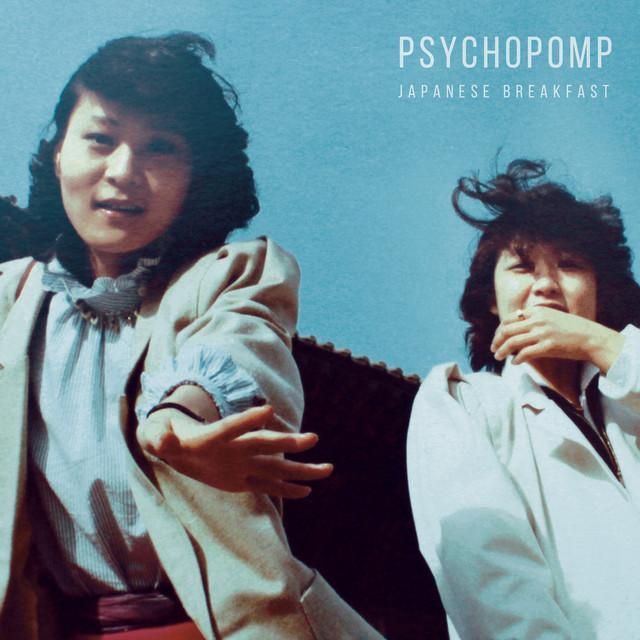
Everybody Wants to Love You by Japanese Breakfast
A sugar-rush song with a sly edge
The meaning of Everybody Wants to Love You Japanese Breakfast starts with a contradiction: the song sounds bright, playful, and almost carefree, but its lyrics push desire to comic extremes. Released on Japanese Breakfast’s debut album Psychopomp, the track comes from Michelle Zauner’s early breakout period, when her songwriting often mixed sweetness with pain, wit, and emotional confusion.
"Everybody Wants to Love You" - Japanese Breakfast
Can I get you into bed?
When we wake up in the morning
Loading lyrics...
Unable to load lyrics
We're unable to display the lyrics at this time. Please try again later.
On the surface, this is a fast, funny song about wanting someone right away. The speaker asks for intimacy, attention, and domestic comfort almost in the same breath. But that speed matters. The song does not unfold like a steady love story. It feels more like a rush of fantasies, where lust, affection, and absurd commitment all crash into each other.

Watch the official Everybody Wants to Love You
music video
What the lyrics are really doing
The verses move through escalating requests. They begin with direct attraction, hinted at by Can I get your number?
and then jump quickly into sex, morning-after closeness, and even marriage. That exaggerated jump is the point. Rather than slowly building romance, the speaker piles desire on top of desire.
This makes the song funny, but also revealing. The requests are not just sexual. They also reach for ordinary signs of couplehood, like your toothbrush
and breakfast in bed
. Those details make the song feel less like a simple hookup anthem and more like a snapshot of fantasy itself. The speaker wants the body, the tenderness, and the whole relationship package all at once.
Ask me to get married
And then make me breakfast again
That brief moment captures the song’s comic logic perfectly. Marriage, one of the biggest commitments possible, is tossed into the same breath as breakfast. The effect is charming, but it also shows how desire can flatten time. In a moment of intense attraction, huge promises and tiny comforts can feel equally urgent.
The chorus turns private desire into a public feeling
The repeated hook, Everybody wants to love you
, changes the frame. Instead of focusing only on one flirtation, it suggests a bigger emotional world: this person seems universally wanted, admired, and magnetic. The line is simple, but it can be read in more than one way.
Interpretation: In one reading, it is a sincere compliment. The beloved is so appealing that everyone is drawn to them. The speaker wants in on that warmth.
Interpretation: In another reading, the chorus carries insecurity. If everybody wants this person, then love becomes competitive, unstable, and maybe impossible to hold onto. The speaker’s exaggerated requests start to sound less confident and more like overcompensation.
That tension gives the song more depth than its breezy surface first suggests. It celebrates attraction, but it also hints at the anxiety that comes with wanting someone who feels larger than life.
Romance, lust, and domesticity all blur together
One of the song’s smartest moves is how it mixes erotic and domestic language. A line like breakfast in bed
sounds cozy and sweet, while the earlier sexual boldness is much more blunt. Put together, they show that the speaker is not sorting feelings into neat categories.
That blur reflects a real emotional experience, especially in younger relationships. People can confuse chemistry with compatibility, or mistake fantasy for a future. The song does not lecture about that. Instead, it performs the feeling in real time. It lets listeners hear a mind racing ahead, turning one encounter into a whole imagined life.
This is why the song feels both humorous and relatable. Its intensity is exaggerated, but the emotional pattern is familiar. Many people know the feeling of getting carried away by attraction and mentally skipping several chapters ahead.
How the sound carries the meaning
The production is crucial to why the song works. Japanese Breakfast gives the track a bright indie-pop shimmer, with energetic guitars, a punchy rhythm, and a buoyant pace that keeps everything moving. The music feels almost weightless, which fits the breathless way the lyrics leap from one desire to the next.
Zauner has spoken in The FADER and other outlets about building Japanese Breakfast out of a personal and creative turning point. That context matters because Psychopomp is often remembered for grief and healing, yet this song shows another side of the project: playful hunger, messiness, and release. It brings needed motion to the album.
The vocal delivery also shapes the meaning. Zauner does not sing these lines like a solemn confession. She sounds eager, amused, and in control of the joke. That tone keeps the song from becoming crude or one-note. Instead, it feels knowingly excessive.
A few strong ways to interpret it
Reading one: a celebration of reckless crush energy
This is the clearest reading. The song captures the dizzy stage where someone seems irresistible, and every possibility feels exciting. The boldness is part of its charm.
Reading two: a satire of romantic escalation
Interpretation: The speed and absurdity may also poke fun at how pop songs and real-life crushes inflate desire. By jumping from sex to marriage to breakfast, the song exposes how irrational infatuation can be.
Reading three: a mask for vulnerability
Interpretation: The confidence may hide fear. If Everybody wants to love you
, the speaker may worry they are only one admirer among many. The jokes and demands become a way to act fearless.
Why the song still connects
Part of the lasting appeal of the meaning of Everybody Wants to Love You Japanese Breakfast is that it feels emotionally true without sounding heavy. It catches a recognizable human impulse: wanting closeness so badly that fantasy outruns reality.
The song is memorable because it refuses to separate romance into tidy boxes. It understands that lust can sound tender, that tenderness can be possessive, and that desire can be both joyful and ridiculous. Japanese Breakfast turns all of that into a track that feels immediate, funny, and strangely sharp.
In the end, the song is less about stable love than about the thrill and chaos of wanting. It captures the speed of attraction before real life has time to slow it down.
Disclaimer: This interpretation is based on the song’s lyrics, sound, and publicly available context. Like most art, it can support more than one meaning.







