The Meaning of The Woman That Loves You
A quiet breakup song that never fully breaks
The meaning of The Woman That Loves You Japanese Breakfast comes from a painful contradiction: someone can deeply love a partner and still see that partner treat them badly. Instead of a dramatic exit song, this track sounds smaller and sadder. It captures the moment when a person is still staying, still hoping, and still asking for basic care.
"The Woman That Loves You" - Japanese Breakfast
With a postponed marriage and a stalled out car
Then you leave me in the back with half a window rolled down
Loading lyrics...
Unable to load lyrics
We're unable to display the lyrics at this time. Please try again later.
Michelle Zauner wrote the song, and Japanese Breakfast first emerged from her solo work after Little Big League, later collected on the project’s early releases like Japanese Breakfast. That context matters. These early songs often feel intimate, homemade, and emotionally close, which fits a lyric built from embarrassment, disappointment, and attachment.

Watch the official The Woman That Loves You
music video
The central message: love is not protection
At its core, the song is about asking for the bare minimum in a relationship. The speaker is not demanding grand romance. They are asking their partner to stop causing damage. When the chorus circles back to do as little harm
, it sounds simple, but that simplicity is the point. The request is so basic that it reveals how low the relationship has fallen.
This makes the song feel more devastating than angry. The partner is not described as evil or monstrous. They are careless, unreliable, and self-absorbed. The heartbreak comes from the fact that the speaker still identifies as the woman that loves you
. Love remains real even while trust and dignity are slipping away.
The verse details make the hurt concrete
One reason the song lands so hard is that it uses everyday details instead of abstract language. A postponed marriage
suggests a future that keeps getting delayed. A stalled car points to a relationship that is stuck. These are ordinary images, but together they build a life full of setbacks.
Then the song gives its sharpest image: being left in the back seat with only part of the window down, treated like a dog
in the heat. The idea is not only neglect. It is humiliation. The speaker feels parked, dismissed, and expected to wait quietly.
Don’t you think? Don’t you think? You should try to do as little harm as you can To the woman that loves you
That short passage shows the song’s emotional method. It does not scream. It repeats. The repeated question sounds like someone trying one more time to reach a partner’s conscience.
Who is speaking, and why does that matter?
The song uses a first-person voice, but its emotional posture is unusual. The speaker is vulnerable without becoming passive. They sound wounded, but they also name what is happening with clarity.
That balance matters for interpretation. Interpretation: the song may be less about begging someone to change than about documenting the final stage before emotional withdrawal. The speaker is still present, but they now understand the pattern. By saying the problem out loud, they reclaim some control.
The weekend fantasy versus the larger truth
Midway through the song, there is a brief shift into togetherness: they will stay together for the weekend, and for a moment the pair appears suspended in a dreamy scene, even described as frosted blue
. This image softens the track. It sounds cold, pretty, and slightly numb.
But the tenderness does not erase the conflict. The song quickly adds that they are looking out for better things. That line changes everything. Even while they remain side by side, both people seem aware that the relationship is not enough.
Interpretation: this could suggest a couple staying together out of habit, comfort, or fear of change. The weekend becomes a temporary shelter, not a true repair.
How the music deepens the meaning
The production helps explain why the song feels so haunting. Rather than matching the lyrics with explosive anger, Japanese Breakfast gives the song a soft indie-pop frame. The arrangement is dreamy and restrained, with a floating quality that makes the pain feel internal instead of theatrical.
Zauner’s vocal delivery is key. They sing the lines with composure, which makes the sadness sound lived-in. The calm tone suggests someone who has been through this many times before. In that sense, the music mirrors the lyric’s emotional exhaustion.
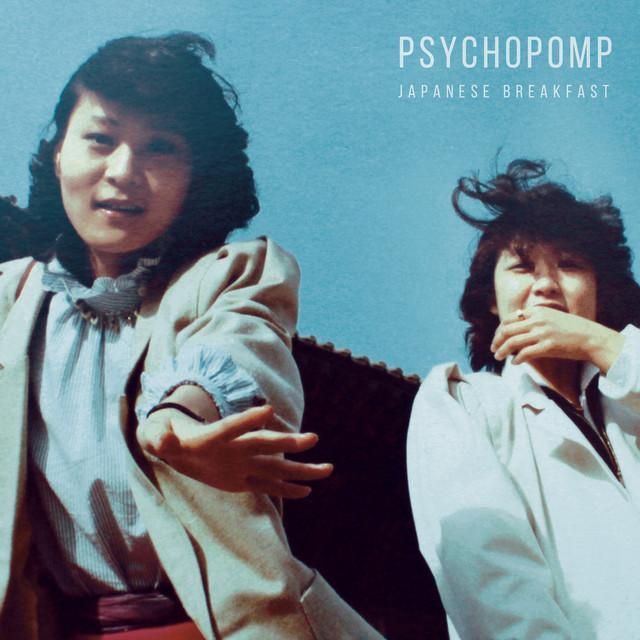
This contrast between gentle sound and bruising content is common in Japanese Breakfast’s catalog, especially on the Psychopomp era and beyond, where sweetness and grief often sit together. Even if this song predates that album, listeners can hear the same artistic instinct: melody as a veil for pain.
Why the song still resonates
Many relationship songs focus on betrayal, passion, or clean closure. This one lives in a murkier space. It speaks to people who have stayed too long, made excuses, or accepted less than they deserved because love was still present.
That is why the song remains relatable. Its pain is ordinary. Broken plans, public embarrassment, small acts of disregard, and the hope that someone will finally become gentler—these are not rare experiences. The song turns them into a precise emotional portrait.
Final takeaway on its meaning
The meaning of The Woman That Loves You Japanese Breakfast is not just that a partner is failing. It is that the speaker now sees love and harm existing side by side. The song asks whether affection means anything if it is not expressed through care.
In the end, its power comes from how little it asks for and how impossible even that seems to be. That makes the track feel tender, resigned, and quietly devastating.
Disclaimer: This article offers an interpretation based on the lyrics, recorded performance, and publicly available artist context. Songs can support more than one valid reading.







