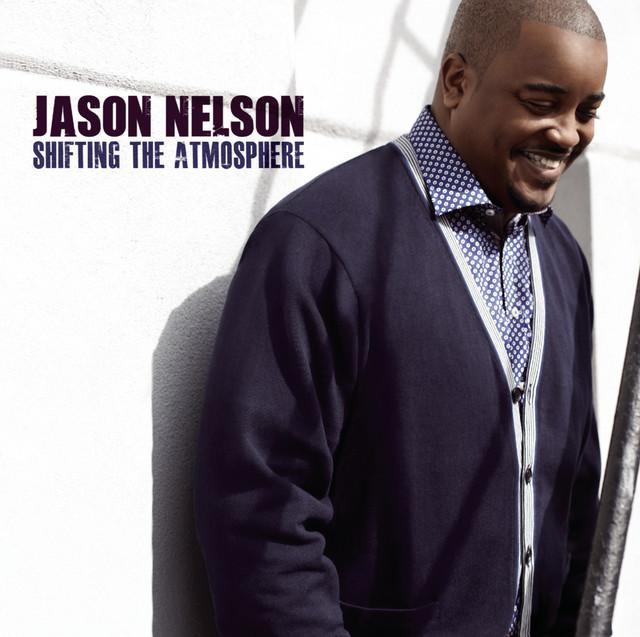
Shifting the Atmosphere by Jason Nelson
A Worship Song About Change in Real Time
The meaning of Shifting the Atmosphere Jason Nelson begins with a simple idea: worship does not just express faith, it helps create a new spiritual condition. The song treats praise as movement. It is not background music for a church service. It is the action that prepares people for healing, freedom, and hope.
"Shifting the Atmosphere" - Jason Nelson
Till the heavens are open
This praise is shifting
Loading lyrics...
Unable to load lyrics
We're unable to display the lyrics at this time. Please try again later.
Jason Nelson, a gospel singer and pastor, has built much of their music around worship that feels both intimate and congregational. On their official artist site, that ministry focus is clear. In this song, they lean into language common in Pentecostal and contemporary Black church traditions, where prayer and singing are believed to affect the spiritual “atmosphere” of a room.
That means the title is not just poetic. It names the song’s core belief.

Watch the official Shifting the Atmosphere
music video
What the Song Is Really Saying
At the center of the lyric is a repeated claim: shifting the atmosphere
. The song keeps returning to that phrase to say worship changes conditions that feel stuck. In plain terms, it argues that praise can move people from heaviness to openness, from pain to expectation.
The next key idea is access. When the lyric says the heavens are open
, it points to a moment where God feels near and responsive. The image suggests blocked prayers giving way to connection. Instead of a closed ceiling, the singer imagines open space, blessing, and spiritual release.
The song then names the hoped-for results: breakthrough in healing
, freedom from burdens, and inner release. It is not subtle, and it is not meant to be. This is a worship declaration song, designed to be sung until its message feels believable in the body as well as the mind.
Why Repetition Matters Here
Some listeners may notice that the song does not develop a story with many scenes or details. Instead, it circles the same statements again and again. That is a feature, not a weakness.
The hook works like a prayer circle
In gospel and praise music, repetition often builds participation. A line like it’s moving and it’s breaking
gains force when a congregation repeats it together. The effect is communal. People are not just hearing a thought; they are joining it.
This also mirrors the act of persistent prayer. The song sounds like something meant to continue until faith rises. Its structure tells listeners that spiritual change may begin with one sentence said over and over until it becomes conviction.
Images of Chains, Yokes, and Open Heavens
The lyric uses a small set of biblical images. Each one points to a larger theme.
Every yoke is destroyed
Every chain is broken
These lines frame suffering as bondage. A yoke suggests pressure, weight, or forced labor. Chains suggest captivity. The song’s promise is that worship confronts both. It imagines praise not as escape from trouble, but as a force that breaks trouble’s control.
Interpretation: This can be heard in two ways at once. In a church setting, it points to spiritual warfare and deliverance. More broadly, it can also speak to emotional burdens like grief, fear, exhaustion, or discouragement. The lyric stays open enough for both.
The image of open heaven adds another layer. It turns worship into a threshold moment. People begin in a place of strain, then sing toward a place where grace can enter.
How the Sound Carries the Message
Even on the page, the song reads like live worship. In performance, that matters even more. Jason Nelson’s style usually blends steady gospel rhythm, layered backing vocals, and a lead vocal that sounds pastoral as much as musical. That combination makes the message feel shared rather than private.
The production idea behind a song like this is lift. Repeated chords, swelling harmonies, and call-and-response phrasing can create the sensation of spiritual momentum. Listeners feel the song “building,” which matches the lyric’s claim that worship is actively changing something.
Their wider catalog on Apple Music shows that balance between worship intimacy and big-room gospel energy. In this track, the likely goal is not lyrical complexity. It is participation, expectancy, and release.
Jason Nelson’s Context Helps Explain It
Jason Nelson is not just a recording artist; they are also known in ministry. That matters because the song works like a sermon reduced to its emotional center. It does not argue doctrine step by step. It gives a congregation a sentence to stand inside.
The credited writers, Dana T. Sorey and Jason Albert Nelson, shape the lyric around shared language: our worship
, our praise
, and later my praise
. That shift is important. The song begins with the group, then briefly lands on the individual. In other words, corporate worship and personal faith are connected.
The Strongest Interpretation
The strongest reading is straightforward: the song says worship changes spiritual conditions and prepares the way for healing and freedom. That is the clearest answer to the meaning of Shifting the Atmosphere Jason Nelson.
A second, slightly wider reading is also possible. Interpretation: the “atmosphere” may describe not only a church room but also a person’s inner life. Under that view, the song is about the shift from despair to faith. The repeated phrases become a way of coaching the heart toward hope.
Final Take
“Shifting the Atmosphere” is powerful because it is so direct. It turns worship into action, repetition into conviction, and church language into a promise of change. Rather than telling listeners what happened yesterday, it invites them to believe something can happen now.
For many gospel listeners in the United States, that is exactly the point. The song is less about description than transformation.
Disclaimer: This article offers a good-faith interpretation based on the lyrics, artist context, and gospel worship tradition. Meaning can vary by listener, setting, and personal belief.







