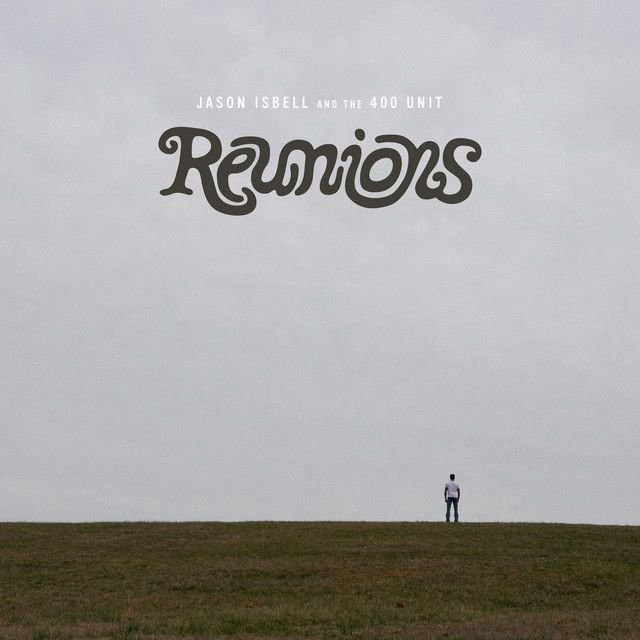
Why Jason Isbell’s ‘Only Children’ Still Hurts
The first images in Jason Isbell’s “Only Children” are tactile and small, but they hit hard. They walk readers into a memory where art, addiction, and youth blur. The song reads like a letter the narrator was never able to send—and that’s the emotional key to the meaning of Only Children Jason.
"Only Children" - Jason
Fighting my appetite
Every kid in cutoffs could be you
Loading lyrics...
Unable to load lyrics
We're unable to display the lyrics at this time. Please try again later.
The meaning of Only Children Jason, in plain words
At its core, this is about two kids who tried to grow up too fast. They chased music, wrote down everything, and looked for connection wherever they could find it. The narrator now speaks to a lost friend, sifting through scenes to understand what they had, what they broke, and what still lingers.
Interpretation: The title suggests a club of two—“only children” who felt isolated, even when together. They were encouraged as artists, but not always cared for as people. The song holds both tenderness and survivor’s guilt.
Watch the official Only Children
music video
Who speaks here—and to whom?
The narrator addresses a second-person “you,” which makes every line feel private and direct. Isbell has said the character is a composite of people from his youth, centered on a close Alabama friend who died years earlier. That context frames the intimacy of details: they were once inseparable, now he speaks across a divide time can’t cross.
To show how that intimacy works on the page, notice how he tucks in everyday cravings—like fighting my appetite
—next to big, aching questions. The ordinary sits right beside the irreversible.
Memory scenes that build the arc
The story unspools as a map of places and rituals:
- A recurring meeting spot—
the bottom of Mobile Street
—where they’d gather anddo what the broken people do
. That pairing turns a hometown corner into a symbol of shared damage and defiance. - Creative bets: fire-escape coffees, demo tapes, and late-night note trading. Art isn’t glamorous here; it’s duct tape for the soul.
- Boundaries crossed to feel anything, then to feel nothing. The line about taking “too much” trails the friendship with risk.
Interpretation: These vignettes don’t glamorize chaos. They show how hunger—for art, touch, relief—became the air they breathed.
What the refrain really asks
The refrain is less a hook than a plea. It circles the friend’s notebooks and their need to be heard:
Are you still taking notes
Will you have anyone to talk to
Interpretation: He hopes the habit of writing could be a lifeline, a thin thread back to the world. The refrain measures survival, not success—did they keep the practice, and do they still have someone on the other end?
Symbols decoded, from pharmacy to parking lot
Hydrocodone in your backpack
: Opioids show up the way they often do—in the margins, at arm’s reach. He wonders if words can “hold the beast back,” linking creativity with harm reduction and the limits of both.Heaven’s wasted on the dead
: A mother’s hard-won cynicism. It tilts the song from sweet elegy to bitter truth: promises and grace arrive too late for some.- “Astronaut”: The friend’s mom says they were glad he finally became one. The image blends childhood fantasy with adult fame. It’s success, but also distance—he has left the atmosphere they once shared.
- “Castle walls that you can walk through”: Safety that isn’t solid. It’s the hollow comfort of coping mechanisms that don’t hold up.
Sound and context: why it hits harder
The arrangement is hushed and acoustic, keeping the vocal close and unguarded. Gentle harmony parts from Amanda Shires and David Crosby shade the melody without crowding it, like memory joining in from another room. Producer Dave Cobb’s minimalist touch lets small details—breath, pick noise, a held consonant—carry weight.
Context matters, too. Isbell has described starting the song during a trip to the Greek island of Hydra, where he and friends shared works-in-progress and read to each other. As he kept writing, faces from his past took shape, and he realized the “you” echoed a childhood friend who had died. Amanda Shires urged him to keep the track on Reunions, and it became a quiet centerpiece of the album’s look back at formative bonds.
Other angles worth considering
- Interpretation: A platonic elegy—or an old romance? The song stays just blurry enough that the love could be either. What’s clear is the depth of the bond, not the label.
- Interpretation: A cautionary tale about substances—or about loneliness? The medicine-cabinet detail stings, but so do the scenes of being “locked outside the building.” The danger may be isolation as much as drugs.
- Interpretation: “Only children” as artists. Over-encouragement without guardrails can push young creators to trade health for output. The song wonders what praise costs when no one teaches how to carry it.
Takeaway
“Only Children” is a postcard from the border of youth and aftermath. It holds grief and grace in the same hand, reminding listeners that the notes we take—and the people we share them with—can be the difference between floating and falling.
Disclaimer: Song meanings are interpretive by nature. This article offers one informed reading alongside known context from the artist’s public comments.








