Why 'Last Goodbye' Still Hurts So Much
The meaning of Last Goodbye Jeff Buckley comes down to one painful truth: sometimes two people still care for each other, but the relationship cannot survive. Jeff Buckley turns that idea into a farewell that feels intimate, conflicted, and almost unbearably honest.
"Last Goodbye" - Jeff Buckley
I hate to feel the love between us die
But it's over
Loading lyrics...
Unable to load lyrics
We're unable to display the lyrics at this time. Please try again later.
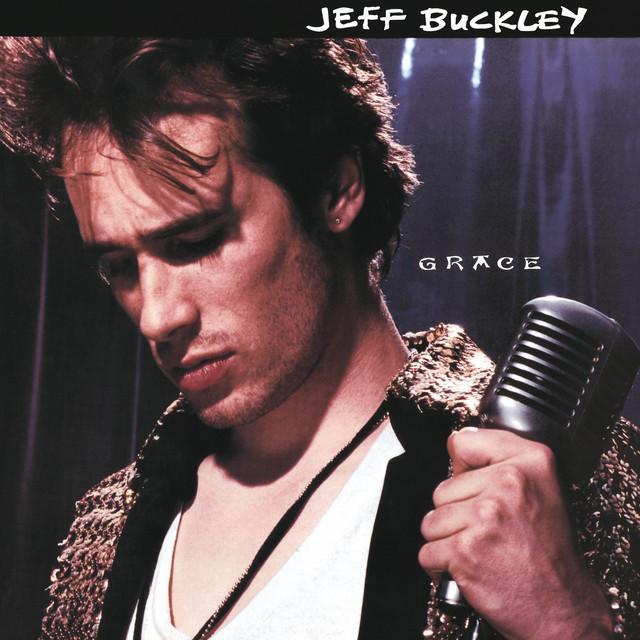
Released on Grace in 1994, “Last Goodbye” became one of Buckley’s best-known songs. Grace was his only completed studio album, and it later grew into one of the most admired rock records of the 1990s. Buckley had first built his reputation in New York clubs like Sin-é before that album introduced his mix of rock, folk, and soaring vocals to a wider audience.
A breakup song with no easy villain
On the surface, the song is clearly a breakup scene. The speaker announces this is our last goodbye
, but the line does not feel dramatic for the sake of drama. It feels resigned. They are not trying to win an argument. They are trying to survive a final moment with someone they still love.
That matters because the song avoids the usual breakup setup of blame and betrayal. Instead, Buckley writes about love fading into something unworkable. The speaker admits the bond is dying and seems devastated by it, especially in the idea that the other person gave them more life and meaning than they may ever realize.
Interpretation: The song’s emotional power comes from that balance. It is not about one person being “bad.” It is about two people reaching a wall they cannot climb.

Watch the official Last Goodbye
music video
The hidden pain is self-knowledge
One of the most revealing details is the speaker’s self-awareness. When they ask why the couple cannot get past the barrier between them, the song quickly turns inward. The breakup may not just be about the other person. It may also be about not fully knowing each other—or not fully knowing oneself.
That is why the line about you didn't know him at all
lands so hard. It sounds like a painful thought circling in the mind after the split. Maybe the partner misunderstood the speaker. Maybe the speaker was never fully visible. Or maybe they are realizing that both people were in love with incomplete versions of each other.
Who is speaking here?
The lyrics are written in first person, but the emotional perspective is unstable in an interesting way. At times, the speaker addresses a former lover directly. At other moments, they seem to step outside themselves, almost imagining what the other person is thinking after the breakup.
That shifting angle gives the song a haunted quality. It is not just a goodbye spoken out loud. It is also a replay of the breakup in the mind.
Desire, anger, and mercy in the same breath
The song gets even more complicated in the plea for physical closeness. The speaker asks for a kiss, but not one based on pity. In other words, they do not want comfort that only makes the ending feel more false.
kiss me out of desire
not consolation
This is the article’s only multi-line lyric quote, and it captures the song’s central tension. The speaker still wants real passion, yet they also knows that holding on may only deepen the wound. Right after that comes the harsh self-judgment that in time, they will only make you cry
.
Interpretation: This suggests the goodbye is also an act of mercy. The speaker may be leaving not because love is absent, but because staying together would keep causing pain.
Small images, big emotional echoes
Buckley uses a few simple images to make the breakup feel larger than one conversation. The church bells, the face that keeps returning in dreams, the memories that leave clues—these details create the feeling of someone trapped between the present and the past.
The image of church tower chime
is especially striking. Bells can mark time, ritual, endings, and mourning. Here, they seem to turn private heartbreak into something almost ceremonial. This is not just another argument. It feels like a real closing.
The memories also do not offer peace. They offer signs that it is over. That is a cruel but believable detail. In many breakups, memory stops being a refuge and becomes evidence.
Why the music makes the farewell hit harder
Part of the reason “Last Goodbye” lasts is that it does not sound defeated. The arrangement has motion, lift, and a kind of shimmering drive. That gives the song an unusual emotional shape: the lyrics are grieving, but the music keeps moving forward.
Buckley’s vocal performance is the key. They sing with tenderness, strain, and flashes of anger, often in the same passage. That makes the breakup feel active rather than numb. The listener hears someone trying to hold dignity together while emotion keeps breaking through.
From a production standpoint, that mix of melodic beauty and emotional instability is essential to the meaning of Last Goodbye Jeff Buckley. The song lives in contradiction. It is graceful, but restless. Romantic, but realistic.
Buckley’s context changes how people hear it
Buckley’s legacy has shaped how many listeners approach the song. According to reporting on his career and influence, Grace became deeply revered after its release, with artists like David Bowie and Jimmy Page praising the album’s greatness. Under the Radar also notes how Buckley’s life was cut short in 1997 while he was working on a second album, which has added an almost mythic aura to songs about farewell.
Still, it is best not to force “Last Goodbye” into prophecy. Factually, it works most clearly as a breakup song from Grace, and Songfacts summarizes it in those terms. The later tragedy in Buckley’s life may intensify the listening experience, but it is not required to explain the song.
The lasting meaning of "Last Goodbye"
In the end, the song is about the moment when love and separation exist at the same time. The speaker is heartbroken, angry, tender, and honest enough to admit that desire cannot fix everything.
That is why the song still resonates. It understands that the hardest goodbyes are not the ones without love. They are the ones where love remains, but the future does not.
Disclaimer: This article offers interpretation based on the song’s lyrics, recording, and publicly known context. Meaning can vary from listener to listener.








