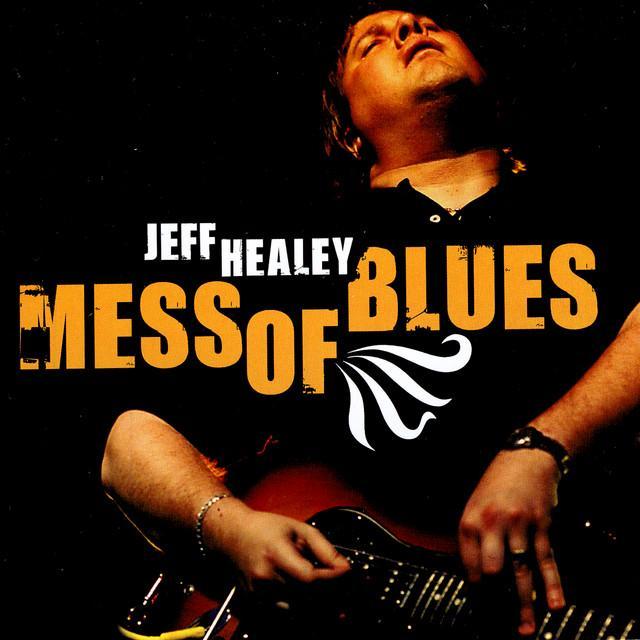
How Blue Can You Get by Jeff Healey
The meaning of How Blue Can You Get Jeff Healey starts with a classic blues idea: love has turned into a contest over who can suffer more. In Jeff Healey’s version, the song is not quiet heartbreak. It is big, sharp, and almost funny in the way it lists emotional damage.
"How Blue Can You Get" - Jeff Healey
Ever since the first day that we met
I've been downhearted baby
Loading lyrics...
Unable to load lyrics
We're unable to display the lyrics at this time. Please try again later.
Originally written by Leonard Feather and Jane Feather, the song became widely known through B.B. King before Healey gave it his own fierce spin. That matters, because Healey is working inside a blues tradition where pain and wit often live side by side. Their performance turns complaint into theater, and that tension is the key to the song’s meaning.
A Blues Breakup Told With a Smile
At the center, the narrator says they have been miserable since the relationship began. The opening phrase downhearted baby
makes the hurt plain right away. But instead of sounding defeated, the singer pushes the line with force, as if they are daring the other person to deny the damage.
That is what makes the song effective. It is about emotional mistreatment, but it is delivered with swagger. When the hook asks how blue can ya' get?
, it is both a real question and a sarcastic one. The narrator already believes the answer is: very blue, and getting worse.
Interpretation: the song is not just mourning lost love. It is exposing a relationship built on dissatisfaction, jealousy, and impossible standards.

Watch the official How Blue Can You Get
music video
The Story Moves From Hurt to Absurdity
The verses build in a smart sequence. First, the narrator says the relationship has felt wrong from the start. Next, they describe the partner as evil when I'm with ya'
and jealous when apart. That creates a no-win situation.
Then the song shifts into exaggeration. The narrator lists gifts and sacrifices, only to have each one dismissed. A nice car is not enough. Dinner is not enough. Even a penthouse gets mocked. The funniest and harshest line is seven children
, where the complaint becomes so extreme that the song tips fully into comic blues.
This is important for understanding the meaning of How Blue Can You Get Jeff Healey. The song is not trying to be realistic in every detail. It uses overstatement to show how endless and unreasonable the partner’s demands feel. In blues writing, exaggeration can tell the emotional truth better than strict realism.
Why the Chorus Hits So Hard
The chorus works because it reduces a messy relationship to one memorable image: the color blue. In blues music, blue means sadness, weariness, and spiritual heaviness. Healey leans into that tradition, but the repeated hook also sounds like disbelief.
Your love ain't nothing but the blues
Woman, how blue can ya' get?
Those lines frame the whole song. The narrator is not saying love failed by accident. They are saying this specific love produces pain as its main result.
More Than Sadness
The chorus also carries pride. The singer is hurt, but they are not confused anymore. By repeating the question, they turn private misery into a public accusation. That is a classic blues move: pain becomes performance, and performance becomes power.
Jeff Healey’s Style Changes the Meaning
Healey’s version matters because he does not sing this like a small, intimate confession. They perform it with attack. Their guitar work, known from the Jeff Healey biography, gives the song bite, while the band keeps a tight blues-rock pulse underneath.
That sound changes the emotional balance. On paper, the lyrics could read as pure complaint. In performance, they become a showdown. Healey’s phrasing adds humor, irritation, and defiance at once. The guitar answers the vocal almost like a second voice, underlining every insult and punch line.
Listeners who know Healey from the See the Light album can hear the same strengths here: strong dynamics, crisp blues feeling, and a rock edge that keeps the song from feeling old-fashioned. Instead, it feels alive and confrontational.
Key Themes Running Through the Song
Several themes shape the song’s message:
- Emotional exhaustion: the narrator feels worn down from constant conflict.
- Ingratitude: nothing they give is accepted as enough.
- Jealousy and control: the partner creates misery both together and apart.
- Humor as survival: the exaggeration keeps the song entertaining instead of hopeless.
- Defiance: the singer turns pain into a bold statement.
These themes explain why the song lasts. It is specific enough to feel vivid, but broad enough that many listeners recognize the pattern: giving more and more while the other person keeps moving the target.
A Classic Blues Joke With Real Pain Underneath
One reason the song endures is that it balances comedy and hurt so well. The material is funny, but the feeling underneath is real. People laugh at the outrageous complaints, yet they also hear someone who feels trapped in a relationship where appreciation never comes.
Interpretation: the humor may be the narrator’s coping tool. Instead of breaking down, they tell the story in bigger and bigger terms until the audience can both wince and grin.
That balance fits the blues tradition perfectly. Many great blues songs turn suffering into style, not to hide the pain, but to make it bearable.
What the Song Ultimately Means
In the end, the meaning of How Blue Can You Get Jeff Healey is about the misery of loving someone who cannot be pleased. The song shows a relationship where affection has curdled into complaint, jealousy, and emotional fatigue. Yet it also shows something stronger: the singer refusing to stay silent about it.
Healey’s performance makes that refusal feel thrilling. They do not just sing the blues; they throw them back at the person who caused them.
Interpretation disclaimer: song meaning can vary by listener. This reading is based on the lyrics, blues tradition, and Jeff Healey’s recorded performance context.







