
Prism of Doubt by Jerry Cantrell
A dark lens on survival
The meaning of Prism of Doubt Jerry Cantrell starts with a simple but powerful idea: when someone is worn down, even ordinary life can look warped. The song presents a speaker who feels depleted, sees pain all around them, and still tries to keep going. That balance between fatigue and persistence is what gives the track its emotional pull.
"Prism of Doubt" - Jerry Cantrell
There's want and need within this sound
There's somebody cryin, somebody dyin
Loading lyrics...
Unable to load lyrics
We're unable to display the lyrics at this time. Please try again later.
Jerry Cantrell is best known for his work in Alice in Chains, where emotional heaviness, inner conflict, and bleak but human storytelling have long been central to the music. According to Britannica, Cantrell built a reputation as a singer, songwriter, and guitarist whose work often blends hard rock weight with vulnerable writing. That context matters here because this song sounds like an extension of those long-running concerns.
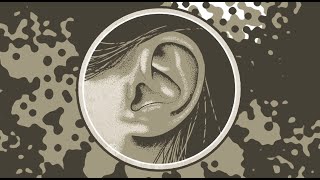
Watch the official Prism of Doubt
music video
What the song seems to say
At its core, the song describes burnout mixed with self-examination. Early lines suggest someone who feels close to empty, almost mechanical, as if their energy is winding down. The phrase running down
captures that fading power without needing a long explanation.
From there, the lyric broadens. The speaker hears need and suffering in the world around them, with images of people crying and dying. Rather than presenting a neat story, the song creates a mental state: they feel overwhelmed by private exhaustion and public pain at the same time.
Interpretation: this is less a plot song than a portrait of consciousness under strain. The speaker is not only sad. They are filtering life through fear, fatigue, and uncertainty.
The chorus turns doubt into a symbol
The key image arrives in the repeated line about looking through a prism of doubt
. A prism normally bends light into altered colors and angles. By attaching doubt to that image, the song suggests that uncertainty changes perception itself.
That makes the title phrase the song’s real engine. The problem is not just hardship. The deeper problem is that the speaker can no longer trust what they see or feel. Doubt has become a lens.
The other repeated idea, better with or without
, adds tension. It sounds like the speaker is testing independence, maybe asking whether healing depends on another person, outside approval, or some vanished source of stability. The line never fully resolves that question, which is why it lingers.
A struggle between collapse and motion
The first verse: emotional depletion
The opening images suggest low energy and discouragement. There is a desire for relief, hinted at in the appeal to upturn the frown
. Even that request feels modest. The speaker is not asking for transformation, only for enough lift to keep going.
The second verse: hope under pressure
Later, the song shifts from stasis to motion. The image midnight sun
is especially striking because it joins darkness and light in one frame. That contradiction fits the whole song: despair is present, but so is stubborn survival.
Another important phrase is gonna keep trying
. It is simple, but it cuts through the fog. The speaker may be uncertain, but they are not surrendering. They want, at minimum, to wake up and face another day.
How the sound likely deepens the meaning
Even without quoting much lyric, Cantrell’s style points to how this song works musically. His solo work and band work often rely on thick guitar tone, minor-key tension, and vocal melodies that sound bruised rather than polished. Those traits are widely associated with his catalog, as noted by sources such as AllMusic.
That sonic language fits “Prism of Doubt” well. A heavy riff can make emotional burden feel physical. A dragging groove can mirror exhaustion. Layered guitars can create the sense of pressure closing in from all sides.
Interpretation: if the arrangement swells around the chorus, it would underline the idea that doubt is not a passing thought but a total environment. In Cantrell’s music, distortion often acts like emotion made audible.
Two strong readings of the lyrics
Reading one: a song about depression and endurance
The most direct reading is that the speaker is battling a depressive state. They feel drained, see suffering everywhere, and struggle to hold onto perspective. Yet they continue moving, which gives the song a survivalist core.
Reading two: a song about relationship fallout
Another possible reading is relational. The line about being better “with or without” may point to life after separation, betrayal, or emotional distance. In that version, the prism is what heartbreak does to vision: it makes every memory and choice feel less reliable.
Both readings work because the lyrics stay open. Cantrell often writes in a way that feels personal without becoming overly literal, which lets listeners bring their own experience to the song.
Why the song resonates
The meaning of Prism of Doubt Jerry Cantrell is compelling because it captures a familiar modern feeling: being unsure what is real when stress has colored everything. The song does not offer easy comfort. Instead, it honors the smaller victory of continuing.
That is why the repeated refrain matters. It does not claim that clarity has arrived. It only shows a person learning to live inside uncertainty without fully giving in to it.
Final takeaway
“Prism of Doubt” seems to be about perception under pressure. It shows how exhaustion, fear, and pain can reshape the world, while also insisting that trying again still matters.
That mix of darkness and grit is classic Cantrell. Interpretation: the song’s real hope is not optimism. It is endurance.
Disclaimer: This article offers an interpretation of the song based on its lyrics, themes, and Jerry Cantrell’s broader artistic style. Meanings can vary from listener to listener.









