
Bloom Later by Jesse®
The meaning of Bloom Later Jesse® centers on emotional dependence, renewal, and the fear of losing the person who helps someone feel alive. The song uses simple nature images—flowers, sun, rain, seasons, and dawn—to show a relationship that feels essential to survival. Instead of describing love in dramatic terms, it frames connection as a growing cycle: when the other person shines, the speaker can grow.
"Bloom Later" - Jesse®
Leaving you is so hard to do
Keeps me blue 'til I (Ooo)
Loading lyrics...
Unable to load lyrics
We're unable to display the lyrics at this time. Please try again later.
A Love Song Built Like a Garden
At its core, the track presents love as nourishment. The speaker is not just missing someone; they feel unable to thrive without them. That idea comes through in the flower metaphor, especially when they say I'm a lilac
and call the other person their sun. In plain terms, the song imagines one person as something living and delicate, while the other becomes the source of warmth and energy.
This makes the relationship feel tender, but also uneven. The line about not being able to do it alone suggests the speaker has tied their sense of growth to another person’s presence. That is why the meaning of Bloom Later Jesse® is not only romantic. It also touches on need, fragility, and the risk of building self-worth around someone else.
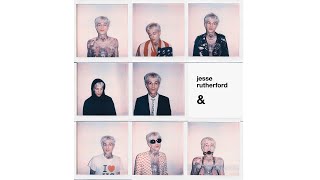
Watch the official Bloom Later
music video
The Push and Pull Inside the Verses
The verses move between comfort and pain. The speaker admits that leaving is hard and that distance keeps them low. But they also describe a repeated pattern: the other person glows, and they begin to grow again. Even the phrase little rays
turns affection into something physical, like light reaching a plant after bad weather.
That weather image matters. Rain usually stands for sadness, conflict, or emotional strain. Yet the song says the need remains even during hard times. In other words, this is not a perfect relationship. The attachment survives hurt, which gives the song a bittersweet edge.
When you're gonesky turns crimsonwait for the dawn
This brief moment captures the emotional arc of the song. Absence changes the whole world’s color, and waiting for morning becomes a way of waiting for emotional balance to return.
What the Chorus Really Means
The hook sharpens the song’s main conflict: the speaker wants the other person back, but they also seem aware that they move too quickly or act impulsively. The phrase I'm too fast
hints at restlessness, immaturity, or self-sabotage. Then the response—Don't do that
—sounds like a warning from the partner, almost like they are trying to keep the speaker grounded.
Interpretation: This makes the chorus feel less like a simple plea and more like a relationship pattern. One person rushes, the other steadies. One reaches outward, the other becomes a fixed source of light. That dynamic gives the song emotional tension because it mixes devotion with instability.
Symbols That Carry the Whole Story
The songwriting stays small and clear, but its symbols do a lot of work. A few stand out:
- Lilac: softness, vulnerability, and the desire to bloom.
- Sun: comfort, guidance, and life-giving energy.
- Rain: sadness, conflict, or periods of emotional doubt.
- Dawn: recovery, return, and hope after absence.
- Seasons: repetition, showing that this need keeps coming back.
Together, these images suggest a cycle rather than a one-time breakup or reunion. Every season, the speaker still wants the same person to return and keep glowing. That repeated need is what gives the song its aching quality.
How the Sound Supports the Lyrics
Based on the lyric structure, “Bloom Later” likely works best through softness and repetition rather than heavy drama. The opening vocalization creates a dreamy mood before the story even begins. Repeated words like come back
and glowing
likely function as emotional anchors, giving the song a floating, hypnotic feel.
That production approach fits Jesse Rutherford’s broader style, which often blends intimate pop, indie, and alternative textures. As the former frontman of The Neighbourhood, they became known for moody atmosphere and emotionally blurred storytelling. The listed writers—Derek Schultz, Jesse Rutherford, and Kevin Sullivan—also suggest a collaborative pop structure built around imagery and melodic repetition rather than dense narrative detail.
Artist Context and Why It Matters
Jesse Rutherford’s writing often leans toward desire, instability, and emotional atmosphere over literal storytelling. That context matters when reading this song. “Bloom Later” does not spell out the full history of the relationship. Instead, it creates a feeling: dependence mixed with admiration.
Because of that, the meaning of Bloom Later Jesse® is best understood as emotional impressionism. The listener gets colors, weather, and movement instead of concrete facts. That choice makes the song easier to project onto personal experience, whether someone hears it as a romantic bond, a breakup cycle, or a story about needing external validation.
For general artist background, Jesse Rutherford’s artist profile helps place the song in their larger creative arc.
More Than Romance: Two Plausible Readings
Interpretation 1: A dependent love song. The clearest reading is that the speaker feels unable to function fully without a partner’s presence. The growing and glowing images support that view.
Interpretation 2: A song about self-worth. The “sun” figure could represent more than a lover. It may stand for affirmation itself—the outside force that helps the speaker remember their value and keep moving.
Both readings fit because the lyrics never lock the relationship into one exact form.
Why the Song Lingers
What makes the track memorable is its emotional simplicity. It says a complicated thing in a clean way: some people feel like weather, and their absence changes everything. The flower-and-sun metaphor keeps that idea gentle, but the song’s sadness is real.
In the end, the meaning of Bloom Later Jesse® lies in that mix of beauty and dependence. It is about wanting to bloom, but feeling like the light comes from somewhere else.
Disclaimer: This interpretation is based on the publicly available lyrics, credited writers, and artist context. As with most songs, listeners may hear meanings that differ from this reading.








