Why 'Ridgetop' Feels Like a Life Choice
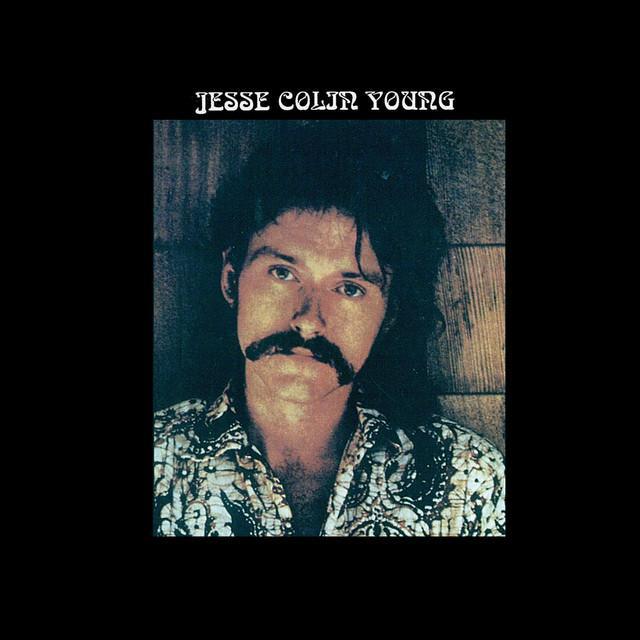
The meaning of Ridgetop Jesse Colin Young starts with a simple idea: home is not just a place to sleep. In this song, home is a value system. The narrator describes a ridge house with dirt, fog, birds, trees, and rough roads, and each detail builds a quiet argument for living apart from noise, crowds, and constant pressure.
"Ridgetop" - Jesse Colin Young
And, Lord knows, I like it just fine
Where it's windy and foggy
Loading lyrics...
Unable to load lyrics
We're unable to display the lyrics at this time. Please try again later.
Rather than telling a dramatic story, the song works like a portrait. It shows what they love, what they protect, and why that life matters. The result is a warm, grounded song about independence, stewardship, and peace.
A Home Song That Doubles as a Manifesto
On the surface, “Ridgetop” is a tour of a hillside property. The narrator says they live on a ridgetop
and quickly makes clear that this is no luxury postcard. The weather is harsh, the road is rough, and the property is more natural than polished.
That matters because the song rejects the idea that comfort must look neat or expensive. Pine needles replace a manicured lawn. The driveway is dirt. Stones mark the path. These are not complaints. They are badges of belonging.
Interpretation: The song is less about owning land than about choosing a way to live on it. The narrator values the ridge because it resists convenience and keeps them close to the real shape of the world.
Watch the official Ridgetop
music video
Nature Is the Real Co-Star
The strongest images in the song are ecological, not material. The narrator notices trees that dance in the wind
, bushes that become pie in summer, and a sky alive with bird calls. Those lines make the ridge feel active and shared, not empty.
Even the house itself is framed in moral terms. The narrator admits that some trees were cut to build, but they emphasize that many more remain. Then the song turns outward, presenting the land as a place where squirrels belong too. The phrase squirrel sanctuary
sums up the attitude: this is a home, but not only for humans.
That is central to the meaning of Ridgetop Jesse Colin Young. The song presents land use as responsibility. They live there, but they also protect it.
Rough Edges Become Part of the Appeal
One of the song’s smartest moves is how it treats inconvenience. High taxes, steep hills, and roads full of ruts would usually signal frustration. Here, they become signs that the place has not been flattened into something generic.
The narrator even enjoys being misunderstood by people in easier, flatter places. When outsiders think ridge residents are strange, the song does not defend itself with resentment. It almost smiles. The hard road and sharp curves help keep the tourists at bay
, which means difficulty becomes a form of privacy.
Interpretation: The ridge stands for a chosen distance from mass culture. It is not isolation in a wounded sense. It is separation that protects peace.
City Work, Country Soul
The song gets more interesting when it introduces the city. The narrator works there and does not present that job as evil. In fact, they say they enjoy it. That balance keeps the song from turning into a simple country-versus-city speech.
Instead, the city is useful, while the ridge is essential. Work gives motion and structure. Home gives meaning. The commute, especially the tense crossing and the winding road back, highlights that difference. The image of the road like a snake
suggests danger and difficulty, but also a living path home.
That ending matters. The trip back to the ridge is not just travel. It is a return to self.
How the Plainspoken Writing Shapes the Song
Jesse Colin Young wrote the song himself, according to the information provided, and that self-written feel comes through in the language. The lyrics are direct, visual, and conversational. They do not strain for mystery.
That simplicity is one reason the song feels trustworthy. Instead of abstract claims about freedom, it gives concrete things: dirt, granite, birds, bushes, trees, and curves in the road. Those details let listeners feel the life before they are asked to admire it.
There is also gentle humor in the writing. The mention of flatlanders thinking ridge people are nuts softens the song’s independence. It sounds self-aware rather than preachy.
The Sound They Likely Hear in the Song
Without making claims beyond the lyric text provided, the song reads like it belongs to Young’s folk-rooted style: relaxed, melodic, and close to the speaking voice. That kind of arrangement would support the message well. A warm acoustic setting, easy tempo, and unforced vocal would match a song built on observation rather than drama.
Interpretation: The likely power of “Ridgetop” is that the music probably does not overpower the message. A modest performance style would leave room for listeners to inhabit the setting, as if they were standing on that ridge and hearing the birds for themselves.
Why the Song Still Connects
What makes this song stick is its clarity. It understands that a home can be rough and still feel rich. It suggests that peace often comes from limits: fewer people, less polish, more weather, more wildlife, and a stronger sense of place.
So the meaning of Ridgetop Jesse Colin Young is not just that they love where they live. It is that they have built a life around values many people say they want but rarely choose—privacy, ecological care, and enough distance to hear themselves think.
Final View From the Ridge
“Ridgetop” celebrates a home that outsiders may not understand. Its narrator does not need them to. The song turns ordinary property details into a portrait of freedom, gratitude, and guardianship.
That is the lasting beauty of it: the ridge is both a landscape and a philosophy.
Disclaimer: This article offers an informed interpretation based on the lyrics provided and publicly known artist context where available. Meanings in songs can remain open to individual listeners.







