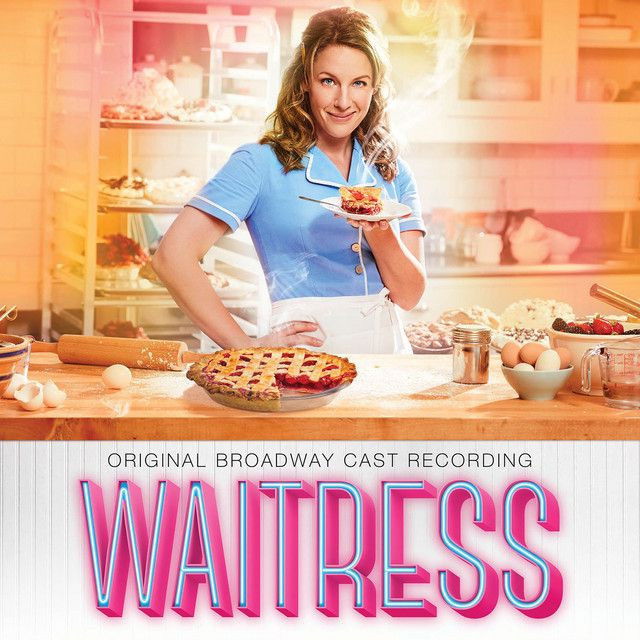
What Baking Can Do Meaning in Waitress
The meaning of What Baking Can Do Jessie Mueller, Waitress Original Broadway Cast Ensemble starts with a simple idea: baking is not just baking. In Waitress, it becomes a way for Jenna to cope, remember, and imagine freedom.
"What Baking Can Do" - Jessie Mueller, Waitress Original Broadway Cast Ensemble
Make it easy
Make it clever, craft it into pieces
Loading lyrics...
Unable to load lyrics
We're unable to display the lyrics at this time. Please try again later.
Written by Sara Bareilles for the musical Waitress, the song arrives early in Act I, when Jenna is carrying fear, grief, and pressure she cannot say out loud. The show is based on Adrienne Shelly’s 2007 film, with a book by Jessie Nelson, and it opened on Broadway in 2016 after premiering at American Repertory Theater in 2015. Jessie Mueller originated Jenna onstage and was widely praised for the role.
A Pie Song That Is Really About Survival
On the surface, the song lists steps of making dessert. But underneath that kitchen language is a person trying to control a life that feels unstable. Jenna describes turning messy feelings into finished pies, almost as if emotions can be kneaded, sliced, and served.
That is why lines like make it work
and make it easy
matter. They sound like baking instructions, but they also sound like survival advice. Jenna is coaching herself through a crisis.
Interpretation: The song suggests that art, labor, and routine can become emotional shelter. Baking gives Jenna a space where she can still make choices, even when other parts of her life feel controlled by someone else.
Watch the official What Baking Can Do
music video
How the Lyrics Turn Pain Into Craft
One of the smartest things in the lyric is how it mixes sweetness with stress. Jenna imagines doubt, worry, and secrets being folded into food. She can make something beautiful on the outside, even if the inside is complicated.
When she sings about slice and serve my worries away
, the idea is not that her pain is gone forever. It is more temporary than that. She can set it down for a while. She can transform it into something manageable.
That tension becomes even clearer in the song’s most famous image: I’ll bake me a door
. This is not literal, of course. It is a metaphor for creating a way out when none seems visible. Jenna cannot simply walk free yet, so she imagines building an exit from the tools she has.
The Mother Thread Running Through It
The song gets deeper when Jenna addresses her mother. In the story, her mother also used baking to cope with an unhappy marriage. That detail matters because it turns the number into more than a private monologue. It becomes a family inheritance.
Jenna has learned resilience from someone she loved, but she has also inherited a painful pattern. The lyric I learned that from you
carries both gratitude and sadness. Her mother taught her how to endure, yet endurance is not the same thing as freedom.
Interpretation: This is why the song feels bittersweet rather than triumphant. Jenna is honoring her mother while also realizing that the women in her family have had to survive in similar ways.
Where the Song Sits in the Story
In Waitress, this number appears after Jenna learns she is pregnant and while she is still trapped in an abusive marriage. According to the musical’s synopsis, the song explicitly connects Jenna and her late mother through baking as solace. It also prepares the audience for baking to become a practical path toward change through the pie contest later in the show.
That dramatic placement is crucial. The song is not a random character piece. It explains Jenna’s inner logic before the plot asks her to make harder choices.
Three story jobs the song performs
- It shows how Jenna thinks under pressure.
- It ties baking to memory and motherhood.
- It plants the idea that creativity could become escape.
Why the Sound Feels Warm and Restless
Sara Bareilles wrote the score with a pop sensibility shaped for musical theater. Waitress uses a relatively small six-piece pit band, including keyboard, piano, cello, guitar, bass, and drums. That setup helps the song feel intimate instead of oversized.
In performance, sugar, butter, flour
becomes a grounding rhythm, almost like a recipe chant or a calming spell. The music has lift and motion, but Jessie Mueller’s vocal approach keeps strain inside the sweetness. They do not sing it as pure optimism. They let the worry stay audible.
That balance is a big reason the song lands. The arrangement suggests comfort, while the performance lets the audience hear the cost of needing that comfort so badly.
Jessie Mueller and the Ensemble’s Role in the Meaning
Mueller’s original Broadway performance helped define Jenna for many listeners. Reviews praised their acting and singing, and that matters here because the song depends on emotional shading. If sung too brightly, it could sound cute. If sung too darkly, it could lose its sense of motion.
Instead, the performance lives in the middle. The ensemble also helps widen the meaning. Their presence can make Jenna’s private coping method feel shared, almost like the kitchen itself is echoing her inner world.
The Big Idea Behind “What Baking Can Do”
The meaning of What Baking Can Do Jessie Mueller, Waitress Original Broadway Cast Ensemble is that making something with their hands helps Jenna hold herself together when life is falling apart. Baking is therapy, memory, disguise, discipline, and hope all at once.
More than that, the song argues that creation can be a first step toward change. Jenna cannot fix everything in this moment. But she can make one thing well. She can imagine one door. And for now, that is enough to keep going.
Disclaimer: This interpretation blends widely documented story context with critical reading of the lyrics and performance. Song meaning can remain open to individual listeners.







