Why 'Cheap Day Return' Hits So Hard
The meaning of Cheap Day Return Jethro Tull comes from how much it says with so little. This is not a grand story-song. It is a miniature: one train platform, one worried traveler, one sick father, and one odd flash of humor that makes the sadness feel even sharper.
"Cheap Day Return" - Jethro Tull
Do your soft shoe shuffle dance
Brush away the cigarette ash that's
Loading lyrics...
Unable to load lyrics
We're unable to display the lyrics at this time. Please try again later.
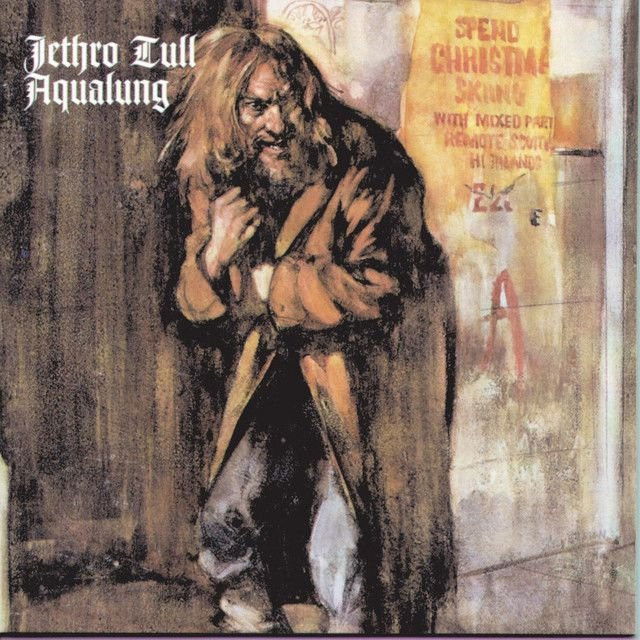
Jethro Tull released the song on Aqualung in 1971, the same album that also holds some of the band’s best-known material. Factually, it is an Ian Anderson composition and part of that landmark record’s track list. Even without outside commentary, the lyric itself gives enough to read it as a same-day trip to see an ill parent, probably in hospital care. The title also echoes a British rail fare, a practical ticket for a quick round trip, which fits the song’s ordinary, working-day realism.
A Small Scene With Heavy Emotion
At the center of the song is a person standing On Preston platform
. That place detail matters. It gives the song a real-world setting right away, making the emotions feel observed rather than exaggerated.
From there, the lyric notices fidgeting movements, including a soft shoe shuffle dance
and the image of brushing away ash. These details do not make the character look cool or poetic. They make them look nervous.
Interpretation: the song is about private anxiety expressed through tiny physical habits. Instead of announcing fear, the character shuffles, smokes, and waits.

Watch the official Cheap Day Return
music video
The Real Worry Hides in One Question
The emotional center arrives when the lyric turns toward the father: your old man
. The key worry is not only the father’s condition, but whether the nurse treat your old man
properly.
That is an important distinction. The song is not just about illness. It is about helplessness. When someone they love is in another person’s care, they cannot control much. They can only imagine what happens when they are not there.
This makes the title even sadder. A cheap day return is efficient and limited. They go, they visit, they come back. The ticket suggests that love is being squeezed into a timetable.
Why the Autograph Moment Matters
Near the end, the song takes a strange turn. The nurse made you tea
and then asked for an autograph. The final reaction, What a laugh
, sounds light on the surface, but it lands as uneasy rather than joyful.
Interpretation: this moment shows the split between public identity and private pain. If the traveler is recognized as a performer, celebrity briefly intrudes on a family crisis. That can feel absurd, even cruel, though the song does not attack the nurse. It simply captures how surreal ordinary politeness can seem when someone is scared about a parent.
That closing touch is one reason the song stays with listeners. It refuses a clean emotional finish. The scene ends not with comfort, but with awkward irony.
A Narrative Told in Fragments
The song works almost like a snapshot sequence:
- A traveler stands on a station platform.
- Their body language reveals strain and distraction.
- Their thoughts turn to a father under medical care.
- A nurse offers kindness, then asks for an autograph.
- The moment closes in discomfort, not release.
Because the lyric is so compressed, every image has weight. There is no chorus explaining the message. There is just one passing scene, and the listener has to feel the rest.
How the Sound Carries the Meaning
Musically, the song’s understatement is part of its force. On Aqualung, Jethro Tull often moves between hard-edged rock and more delicate acoustic textures. This track belongs to the quieter side of that spectrum, and that restraint suits the subject.
Rather than building toward a big cathartic peak, the arrangement feels brief and contained. That matches the emotional world of the lyric. This is not a triumphant visit or a dramatic breakdown. It is a routine journey colored by dread.
Ian Anderson’s vocal approach also matters. He delivers the lines with observational clarity, not melodrama. That keeps the song human-sized. The feeling comes from what is noticed, not from how loudly it is announced.
Artist Context Without Overstating It
Jethro Tull often wrote about social types, memory, class, religion, and everyday British life, and Aqualung is full of sharply drawn characters. In that wider context, “Cheap Day Return” stands out because it is so intimate. It is less satirical than some Tull songs and more compassionate in its gaze.
The mention of Preston and the rail-ticket phrasing also root it in a specifically British setting, but the emotion travels easily to U.S. listeners. Anyone who has made a tense trip to see a sick relative can recognize the feeling.
Final Meaning of Cheap Day Return Jethro Tull
So, what is the meaning of Cheap Day Return Jethro Tull? Most clearly, it is a song about the emotional weight of an ordinary visit to a sick father. Its deeper power comes from how it links travel, class-coded routine, family duty, and public awkwardness in a few economical lines.
Interpretation: the song suggests that some of life’s hardest moments do not look dramatic from the outside. They happen on platforms, in waiting rooms, and in small exchanges that feel almost absurd at the time.
That is why the song endures. It understands that worry often arrives in fragments, and that love is sometimes measured not by speeches, but by making the trip at all.
Disclaimer: This interpretation is based on the lyrics, recorded performance, and widely known context around Jethro Tull and Aqualung. As with many songs, listeners may hear different shades of meaning.







