Why 'Locomotive Breath' Still Feels Unstoppable
The meaning of Locomotive Breath Jethro Tull starts with one powerful image: a train that cannot be stopped. On the surface, the song follows a desperate man racing toward disaster. But Ian Anderson, who wrote it, later explained that the runaway engine was really a metaphor for population growth, overcrowding, and the hard pressures of modern capitalism. In that sense, the song is less about one rider and more about a whole society trapped on the same track.
"Locomotive Breath" - Jethro Tull
Of the locomotive breath
Runs the all-time loser
Loading lyrics...
Unable to load lyrics
We're unable to display the lyrics at this time. Please try again later.
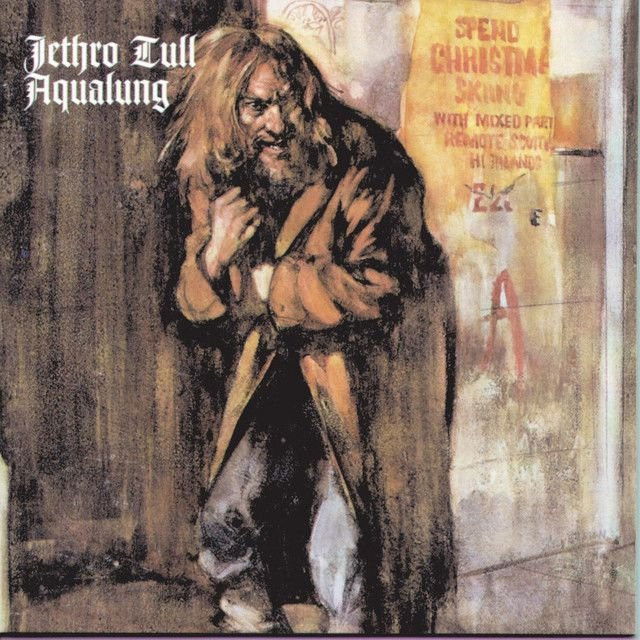
Released on Aqualung in 1971, the song became one of Jethro Tull’s signature recordings and a long-running concert favorite. Its status comes from more than its hook. It takes a big idea and makes it feel immediate, human, and frightening.
A Runaway Train With a Human Face
The lyric tells a story in third person, which gives it the feel of watching someone unravel from just a few feet away. Early on, the singer presents an all-time loser
racing forward without control. That phrase sounds harsh, but it also feels tragic. The character is not just failing; he is already caught inside a system that is bigger than he is.
The song then moves through scenes of collapse. They show family slipping away, betrayal at home, and panic turning physical. When the lyric says on his hands and knees
, it shrinks the man from a person with agency into someone crawling through wreckage. The image is personal, but the song’s larger point is social: people often experience giant public problems as private suffering.
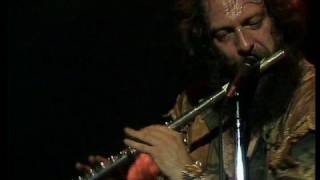
Watch the official Locomotive Breath
music video
What Ian Anderson Said It Meant
For anyone asking about the meaning of Locomotive Breath Jethro Tull, Anderson’s own comments are the clearest factual guide. He said the song grew into a piece about “the issues of overcrowding” and the seemingly unstoppable rise of global population, with the locomotive standing in for forces that keep moving whether people are ready or not. He also linked that pressure to the way humanity consumes limited resources.
That matters because it changes how the lyric is heard. The song is not simply about doom in an abstract sense. It is about systems that gain momentum until ordinary people feel powerless inside them. Even the repeated line no way to slow down
works on two levels: literal panic inside the song, and a wider fear that society keeps accelerating past reason.
The Symbols That Make It Stick
Several images give the song its staying power.
Locomotive breath
suggests hot, mechanical life, as if the machine itself is breathing.Old Charlie stole the handle
introduces a missing source of control.- The Gideon Bible points to a last-minute search for order, comfort, or meaning.
Interpretation: Many listeners hear “Old Charlie” as fate, God, death, or the system itself. Songfacts reports that Anderson explained the figure as a God-image who has removed the ability to stop the train, leaving people to endure injustice as best they can. Even if a listener takes a different view, the symbol clearly represents lost control.
The family images matter too. Children jumping off at stations one by one turns emotional loss into a series of departures. The train keeps going, but relationships do not. That contrast deepens the song’s sadness.
How the Sound Builds the Meaning
One reason the song remains so vivid is that the music acts out the metaphor. It opens with a now-famous piano introduction from John Evan before the full band hits with force. The effect is dramatic: calm preparation gives way to mechanical momentum.
Anderson said the band first struggled to make the track work as a full live take. So they built it in layers until it had the exact click-clack feel he wanted, almost like wheels locking onto rails. That careful construction helps explain why the groove feels so tight and relentless.
Old Charlie stole the handleAnd the train it won't stopNo way to slow down
This is the song’s emotional center. The words are simple, but the arrangement makes them feel huge. The rhythm section pushes forward, Martin Barre’s guitar adds weight, and Anderson’s flute cuts through like steam pressure escaping the engine. Critics at the time praised its hard-rock force, and that blend of piano, flute, and riff-heavy drive is still unusual enough to feel fresh.
More Than a Story of One Man
Interpretation: The central figure can be heard in at least two ways.
First, they may represent a single person whose life is falling apart. The betrayal, the children leaving, and the last reach for faith all support that reading.
Second, they may stand in for modern humanity itself. In that reading, the man is every person caught inside runaway growth, social inequality, and a culture that mistakes motion for progress. That wider meaning lines up most closely with Anderson’s own explanation.
The brilliance of the song is that both readings can exist together. A giant social issue becomes memorable because it is filtered through fear, shame, and helplessness.
Why It Still Lands Today
“Locomotive Breath” has lasted because its warning still feels current. Population pressure, scarce resources, and systems that seem too big to steer remain familiar concerns. The song translates those anxieties into a clean, unforgettable metaphor.
It also succeeds as pure rock theater. On Aqualung, and later in live sets, it gave Jethro Tull an ideal showcase for tension and release. That is one reason it became a regular encore and a classic-rock staple.
For most listeners, the meaning of Locomotive Breath Jethro Tull comes down to this: it is a song about losing control in a world that keeps speeding up. Its train is mechanical, social, spiritual, and emotional all at once.
Disclaimer: This interpretation combines Ian Anderson’s documented comments with close reading of the lyrics and sound. Like most great songs, it can support more than one meaning.









