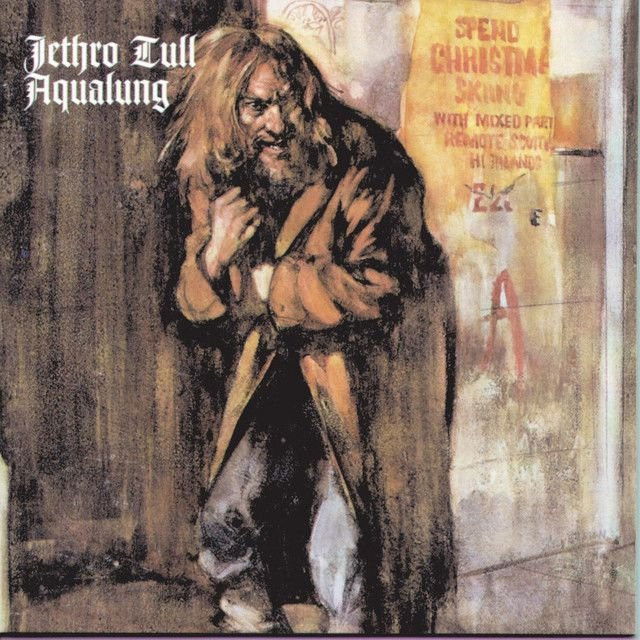
What "Slipstream" by Jethro Tull Means
The meaning of Slipstream Jethro Tull comes from a very small song that opens into a much bigger idea. On the surface, it describes someone being pushed along by money, status, and empty routine. Under that surface, it feels like a warning about losing the self.
"Slipstream" - Jethro Tull
And the products of wealth
Push you along on the bow wave
Loading lyrics...
Unable to load lyrics
We're unable to display the lyrics at this time. Please try again later.
Jethro Tull released "Slipstream" on Aqualung in 1971, with Ian Anderson credited as writer. The song shares its name with a later 1981 Jethro Tull video release, but that video is a separate project from the Aqualung track. Those factual points are well documented in standard band references and discography sources.
A Short Song With a Large Shadow
"Slipstream" is brief, but it sits in an important place on Aqualung. That album is often discussed for its portraits of outsiders, belief, and social hypocrisy, and this song fits that world neatly.
Instead of telling a clear story, the lyric uses compressed images. The listener meets a person shaped by what the song calls products of wealth
. That phrase points toward material comfort, but it does not sound comforting. It sounds manufactured, cold, and spiritually thin.
Interpretation: the song is less about one event than one condition. It presents a person being carried forward by forces they did not choose, almost like social gravity.
Watch the official Slipstream
music video
The Central Image: Moving Without Control
The title image matters most. To be in a slipstream is to be pulled along by motion already created by something else. In the lyric, that idea becomes emotional and moral.
The person is pushed on the bow wave
of other people’s empty lives. That image suggests momentum without meaning. They are moving, but not steering.
Then comes one of the song’s most revealing moments:
you spin in the slipstream
tideless, unreasoning
Those words describe helpless drift. A tide usually gives direction, but here there is no tide at all. The person is not guided by nature, belief, or reason. They are simply caught in motion.
Wealth, Religion, and Spiritual Exhaustion
One of the sharpest lines joins money and religion in a single uneasy scene. The song describes someone pressing God's waiter
with a final coin as the bill arrives. It is strange, funny, and bitter at once.
On one level, this can sound like a jab at organized religion or at least at the idea of spiritual service becoming transactional. The person is so drained that even faith feels like a place where payment is due.
Interpretation: the image may not attack religion itself as much as spiritual emptiness in modern life. The song seems to ask what happens when every part of existence, even grace, starts to feel bought, billed, and consumed.
That reading fits Aqualung as a whole, which often circles questions of belief and hypocrisy through vivid character sketches.
Why the Ending Sounds Like Escape
The last movement changes the emotional temperature. After all the drift and pressure, the song repeats the idea of getting free: paddle right out of the mess
.
That phrase is simple compared with the earlier dense imagery. It sounds practical, almost humble. There is no grand revolution here. No heroic speech. Just the basic act of moving away from confusion.
That matters because the song does not promise total salvation. It only suggests effort. Even if the person has been swept along by wealth, habit, and emptiness, they may still push themselves toward cleaner water.
How the Sound Carries the Meaning
Musically, "Slipstream" is gentle and reflective, which makes its criticism more poignant. Rather than blasting anger, Jethro Tull lets the arrangement feel airy and worn-in. That softness supports the lyric’s sense of drift.
Ian Anderson’s vocal delivery sounds restrained, almost compassionate toward the figure in the song. The band’s folk-rock and progressive instincts also matter here: the texture feels thoughtful, not mechanical, which creates a contrast with the lyric’s spiritually mechanical world.
That contrast is part of why the song lingers. The music offers a little warmth while the words describe a life emptied of it.
Another Way to Read It
There is also a more inward reading of the meaning of Slipstream Jethro Tull. Instead of society pushing one person around, the song may describe depression, burnout, or private dissociation.
In that reading, the wealth imagery is not only social criticism. It becomes the language of overload: too many demands, too much performance, not enough inner life. The final act of paddling out of the mess then feels like recovery.
Both readings can work at once. That is one reason the song remains interesting. Its symbols are specific enough to sting, but open enough to travel.
Why "Slipstream" Still Connects
Many listeners return to this song because it captures a modern feeling in very few words: being carried by systems that promise comfort but leave people spiritually numb. The lyric never overexplains that feeling. It sketches it.
The result is one of Jethro Tull’s quietest social commentaries. It is not as famous as the major songs around it, but it deepens Aqualung by showing another kind of lost person: not the obvious outcast, but the one hidden inside normal success.
Final Take
The meaning of Slipstream Jethro Tull is best understood as a portrait of drift, pressure, and possible escape. Through images of money, faith, and motion, the song shows how a person can be carried by a hollow world and still try to row free.
That is an interpretation, not a final fact. Like many Ian Anderson lyrics, "Slipstream" stays powerful because it leaves room for the listener to complete the picture.







