Why 'We Used to Know' Still Feels So Human
Jethro Tull’s “We Used to Know” is not just a song about memory. At its core, it is about the uneasy moment when people realize life has moved on, youth has faded, and old certainty no longer feels solid. For listeners searching for the meaning of We Used to Know Jethro Tull, the song lands somewhere between nostalgia, resignation, and hard-earned wisdom.
"We Used to Know" - Jethro Tull
Try to find new words to say
I think about the bad old days
Loading lyrics...
Unable to load lyrics
We're unable to display the lyrics at this time. Please try again later.
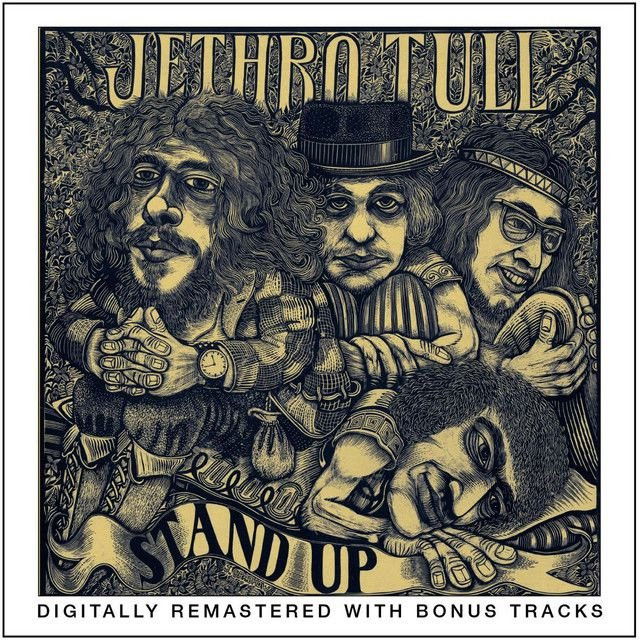
Released on the 1969 album Stand Up, the song came from a period when Jethro Tull were expanding beyond blues-rock into something more reflective and layered. Ian Anderson wrote it, and that matters: his lyrics often mix plain speech with poetic unease, making everyday ideas like time, money, age, and regret feel strangely heavy.
The Song’s Heart: Looking Back Without Romance
The basic idea is simple. They present a speaker looking back on earlier years and seeing them clearly, not sentimentally. The past was not perfect. In fact, one of the song’s sharpest turns is its phrase bad old days
. That wording matters because it rejects the usual fantasy that the past was automatically better.
Instead, the song suggests memory is mixed. Some moments were joyful, some were poor, some were lazy, and some were frightening. Yet even flawed times can feel precious once they are gone. That tension gives the song its emotional force.
Interpretation: The phrase “we used to know” sounds less like trivia and more like a lost state of being. They are not only remembering places or habits. They are remembering a version of themselves that once felt more certain, more connected, or simply younger.
Watch the official We Used to Know
music video
Time, Age, and the Fear Beneath the Surface
A major theme in the meaning of We Used to Know Jethro Tull is aging. The song moves beyond memory into anxiety about what time does to the body and mind. When the lyric mentions dying, getting old
, it cuts through the song’s dreamy mood with unusual directness.
This is one reason the track still connects with adult listeners. It does not hide from mortality. Still, it does not become dramatic or self-pitying either. The writing stays calm, almost conversational, which makes the fear feel more real.
There is also a bitter joke in the line about having won / By running slowly
. The idea seems to be that survival itself can look like victory, but it is a strange kind of win. They endured, but endurance comes with wear, compromise, and distance from the life they once knew.
A Story Told in Fragments of Everyday Life
Rather than tell one clean narrative, the song works through glimpses. They mention winter nights, mornings in bed, money spent, and the practical need to take what they can before time runs out. Those details make the song feel lived-in.
Take what we can before the man
Says it's time to go
These lines suggest pressure from authority, fate, or just the clock itself. In plain terms, the song argues that life is limited, so people grab what joy or security they can. That reading fits the song’s recurring sense that endings are always approaching, even during ordinary days.
What the Chorus-Like Refrain Really Means
The repeating phrase we used to know
acts like a soft refrain, and it carries much of the song’s weight. Each time it returns, it changes slightly because the surrounding verse changes. At one moment it points to shared history. At another, it sounds like a warning not to forget hard lessons.
Interpretation: The song may be speaking to an old friend, a former partner, or even a whole generation that came through leaner years together. The closing thought, where the speaker wishes the other person well but asks them to remember, gives the song a quiet farewell feeling. It is tender, but not clingy.
How the Music Deepens the Meaning
Part of what makes the meaning of We Used to Know Jethro Tull so powerful is the arrangement. Musically, the song is patient and brooding. The acoustic guitar gives it a reflective base, while the electric guitar and rhythm section gradually build tension underneath.
According to the band’s album overview, Stand Up marked a big creative step for the group. On this track, that growth shows in the balance between folk-like intimacy and rock heaviness. The performance never rushes. Instead, it lets the weight of the words settle in.
Ian Anderson’s vocal is important too. They do not hear a huge theatrical performance here. They hear restraint. That restraint matches the lyric’s emotional position: someone trying to speak plainly about things that are hard to admit.
Context, Reception, and the Song’s Long Shadow
“We Used to Know” was never one of Jethro Tull’s biggest radio staples, but it became one of their respected deep cuts. Fans often return to it because it captures a side of the band that is thoughtful rather than flashy.
The song is also often discussed because listeners have noticed similarities between its chord movement and the later Eagles song “Hotel California.” That observation is part of rock history chatter, though it does not change the meaning of Jethro Tull’s song itself. What matters more is that “We Used to Know” already contained a haunting, descending feel that fit themes of fading time and uneasy reflection.
Final Take: Memory as Warning, Not Escape
In the end, “We Used to Know” is about the burden and value of remembering. They present the past as something neither golden nor useless. It is a record of what people survived, what they wasted, and what they learned too late.
That is why the song still feels human. It understands that people do not just miss the past. They miss the selves who lived there.
Disclaimer: This interpretation is based on the lyrics, musical context, and known background on the song. As with most great songs, listeners may hear meanings that differ from this reading.









