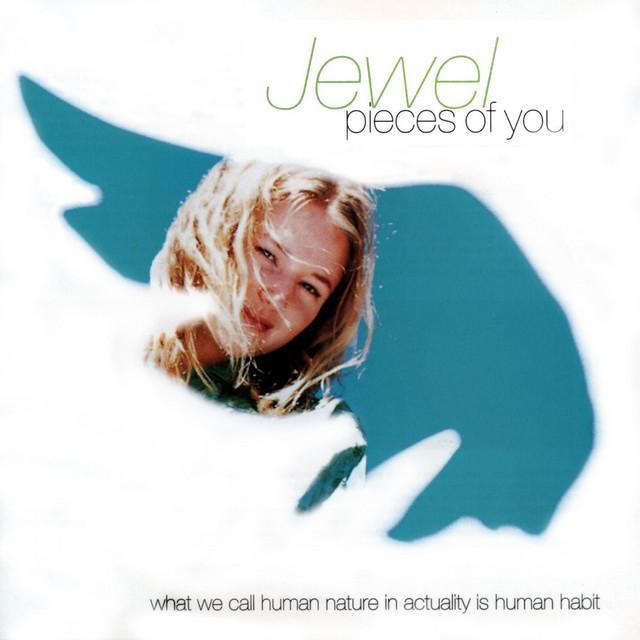
Foolish Games by Jewel
The meaning of Foolish Games Jewel comes down to a painful imbalance: one person loves deeply, while the other stays cool, elusive, and hard to reach. Jewel turns that mismatch into a ballad about admiration, humiliation, and emotional exhaustion.
"Foolish Games" - Jewel
You're always crazy like that
And I watched from my window
Loading lyrics...
Unable to load lyrics
We're unable to display the lyrics at this time. Please try again later.
Released on Pieces of You in 1995 and later pushed as a radio hit in 1997, the song became one of Jewel’s defining singles. It was re-recorded in a shorter edit, appeared on the Batman & Robin soundtrack, and helped fuel a huge chart run alongside You Were Meant for Me
, according to available release histories and chart summaries.[1]
A Love Song About Being Left Outside
At its core, the song describes someone who feels shut out of a relationship even while standing very close to the person they want. Early images place the narrator watching, waiting, and trying to decode someone who seems magnetic but unavailable. When Jewel describes him as too cool to care
, she captures both his appeal and the problem.
That is why the song hurts so much. The narrator does not just miss a lover; they feel unseen. The emotional center arrives when private pain is finally spoken aloud: my heart bleeding
. In plain terms, the song says: they have been obvious about their feelings, and the other person still does not respond with care.

Watch the official Foolish Games
music video
The Story Unfolds in Small, Sharp Scenes
Rather than tell one dramatic event, Jewel builds the song from snapshots:
- They observe a charismatic, unpredictable person from a distance.
- They remember intimate everyday moments, like coffee, cigarettes, and conversation.
- They compare that person’s confidence with their own awkwardness.
- They reach a breaking point and call out the emotional damage.
This structure matters. The song is not only about heartbreak; it is about the slow realization that attraction has turned into self-erasure. A key phrase, outside looking in
, suggests they never truly belonged in this other person’s emotional world.
Why the Chorus Feels So Devastating
The chorus is simple, which is part of its force. When Jewel sings foolish games
, she frames the relationship as a pattern of carelessness, mixed signals, or detached behavior that keeps wounding the speaker.
Interpretation: The song does not prove that the other person is intentionally cruel. It may be enough that they are self-absorbed, immature, or emotionally absent. Either way, the effect is the same: the narrator feels their heart is being broken by someone who does not fully grasp the damage.
There is also a bitter turn later in the lyric, when the speaker all but says they must have mistaken this person for someone capable of empathy. That moment shifts the song from longing into recognition. They are no longer just pleading; they are naming the disappointment.
Admiration and Shame Live Side by Side
One reason the meaning of Foolish Games Jewel still resonates is that the song never pretends heartbreak is simple. The narrator does not hate this person. They are dazzled by them.
He is portrayed as stylish, intelligent, cultured, and naturally compelling. He talks about art and music with ease, while the speaker remembers themselves as awkward and exposed. That contrast creates a quiet class and confidence gap. The line about hiding dirty hands suggests shame, as if they feel less polished, less worthy, or less pure.
Interpretation: In that sense, the song may also be about idealization. The narrator has placed this person on a pedestal, then suffered when real intimacy never arrived.
How the Sound Deepens the Meaning
Critics often singled out the track’s fuller arrangement. Billboard called it a piano-led ballad with an almost orchestral setting, and that lush sound is central to its impact.[1] The production, credited to Peter Collins and Jewel, expands beyond coffeehouse folk into sweeping pop drama.[1]
That matters because the music mirrors the emotion. The piano gives the song a confessional base, while the strings and rising dynamics turn private hurt into something cinematic. Jewel’s vocal performance does the rest: soft in recollection, then strained and wailing when the chorus lands.
That combination helps explain why the song connected so strongly. It earned a Grammy nomination for Best Female Pop Vocal Performance and became one of the biggest chart stories of the late 1990s.[1]
Context Helped Turn It Into a Classic
"Foolish Games" had an unusual commercial path. In the United States, it first existed in the shadow of You Were Meant for Me
, then radio helped flip attention toward it.[1] Under Billboard’s chart rules at the time, the two songs became linked in a way that boosted their long run.
The result was remarkable: the combined single reached No. 2 on the Hot 100 and stayed on the chart for 65 weeks, a record at the time according to documented chart histories.[1] That success matters for interpretation because it shows how widely listeners recognized the song’s emotional truth. This was not niche heartbreak; it was mainstream heartbreak.
A Lasting Reading of the Song
The most convincing reading is that Jewel wrote a portrait of emotional asymmetry: one person offers sincerity, the other offers style, intellect, and distance. The tragedy is not just rejection. It is that the narrator keeps hoping depth will be returned.
somebody who gave a damnIn context, this moment sounds like the speaker realizing they loved an idea of the person more than the person themselves.
That realization is what gives the song its staying power. It captures the instant when admiration collapses into clarity.
The Final Take
For most listeners, the meaning of Foolish Games Jewel is about loving someone whose mystery feels romantic until it starts to feel cruel. The song turns small memories, social imbalance, and delayed self-respect into a heartbreak anthem.
That reading is still an interpretation, not a confirmed single meaning. Like many great ballads, Foolish Games stays powerful because listeners can hear their own story inside it.
[1] https://en.wikipedia.org/wiki/Foolish_Games








