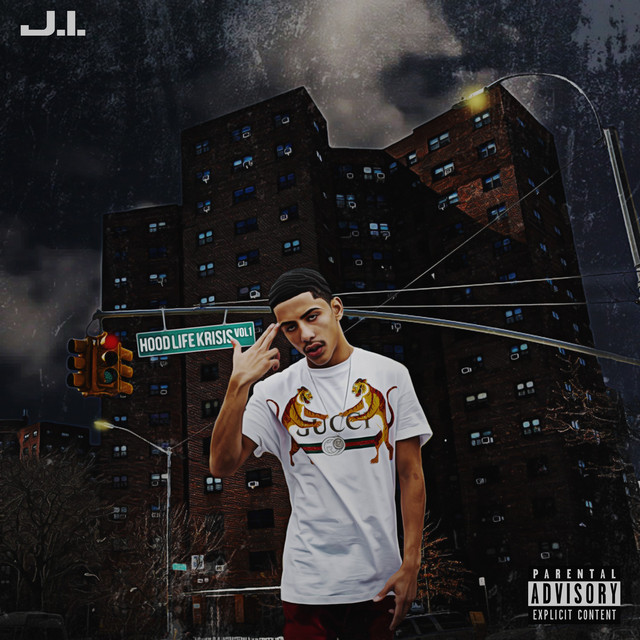
Blame on Me by J.I the Prince of N.Y
The meaning of Blame on Me J.I the Prince of N.Y comes down to a painful mix of heartbreak, mistrust, wounded pride, and regret. On the surface, the song sounds hard and confrontational. Underneath that tough tone, though, it is really about someone trying to protect themselves after feeling fooled by love.
"Blame on Me" - J.I the Prince of N.Y
I don't like to go outside 'cause I can't stand the rain
I walk outside with all this pride 'cause I can't stand the pain
Loading lyrics...
Unable to load lyrics
We're unable to display the lyrics at this time. Please try again later.
J.I the Prince of N.Y built much of his early reputation on melodic rap that mixes romance with street pressure. That tension helped define his 2019 rise, the same period that led into his breakout single Need Me
, which later became his first major hit from Hood Life Krisis, Vol. 1 and reached the Billboard Hot 100, according to publicly available chart and release summaries. In that context, “Blame on Me” feels like a key part of the same emotional world: love is never just love. It comes with ego, danger, and survival.
The Real Hurt Beneath the Tough Talk
At its core, this is a betrayal song. The narrator feels used and changed by a relationship that made them less trusting. Early on, J.I sets that mood with images of isolation and emotional fatigue. When he says can't stand the rain
and later suggests he is living in the dark, he frames pain as something constant, not temporary.
That matters because the song is not simply a breakup rant. It is about what heartbreak does to a person’s whole outlook. They begin guarded, suspicious, and ready to assume the worst. By the time the song reaches its closing line, the emotional center is clear: they gave someone another chance and now feel foolish for it.
Watch the official Blame on Me
music video
Who They Are Talking To
Most of the song is aimed at a romantic partner, but the voice keeps widening. Sometimes the words target the ex or current lover. Other times, they shift toward enemies, doubters, or anyone testing their pride.
That movement gives the track its restless energy. One moment, the focus is intimacy and disappointment. The next, it is survival and respect. In plain terms, the narrator treats emotional betrayal like a threat to identity itself.
Why the Perspective Feels So Volatile
A key line of thought appears when J.I implies that he started moving like the other person moved. In other words, betrayal did not just hurt them; it changed them. The song suggests a chain reaction: being treated badly leads to emotional numbness, and emotional numbness leads to colder behavior toward others.
That is why phrases like play with my heart
hit harder than the more aggressive lines. The anger is loud, but the injury is the real story.
A Short Timeline of the Song’s Story
The track unfolds in a pretty clear emotional order:
- They open in pain and isolation.
- They reveal they were genuinely invested in someone.
- They realize that trust was misplaced.
- They respond with pride, distance, and aggression.
- They end with reluctant self-blame.
The final step is what makes the song more than a standard revenge record. The ending idea, summed up by put the blame on me
, reframes everything before it. After all the flexing and threats, the last admission is almost humble. They are not forgiving the other person. They are saying they should have known better.
Images of Rain, Darkness, and the Road
One of the strongest parts of the songwriting is its small set of repeated images. Rain suggests emotional heaviness. Darkness suggests confusion, depression, or life without trust. The road and travel lines suggest a person shaped by hardship and forced maturity.
When J.I says he grew up fast
, that idea ties the whole song together. Interpretation: they are not only describing a bad relationship. They are describing a life where pain arrives early, so softness starts to feel unsafe.
That also explains the mix of pride and vulnerability. Pride becomes a shield. Distance becomes self-defense. The song’s harsher language is less about confidence than about refusing to be embarrassed again.
How the Sound Supports the Meaning
Even without detailed public production credits for this specific track, the performance style is very recognizable for J.I. He often blends melody with blunt rap phrasing, letting emotion and attitude share the same space. That approach is also part of what made songs from his 2019 run connect so strongly with listeners.
On “Blame on Me,” the delivery likely matters as much as the words. The rhythm feels conversational but tense, like someone venting in real time. There is little distance between feeling and reaction. That makes the song believable: it sounds like a person thinking through betrayal while still inside it.
Two Strong Readings of the Song
Interpretation 1: A breakup confession in disguise
The most direct reading is that this is a heartbreak song wearing street armor. The threats, pride, and sexual boasting all mask a simpler truth: they trusted the wrong person and now cannot relax.
Interpretation 2: Betrayal as a wider life lesson
A second reading is broader. The partner may be the spark, but the song is really about learning not to be naive in any setting. Romantic distrust blends into social distrust, making love, loyalty, and survival feel like the same test.
Why the Ending Is the Key
What makes the meaning of Blame on Me J.I the Prince of N.Y memorable is the ending’s honesty. J.I spends much of the track sounding untouchable, but the closing thought admits the opposite. They were touched, changed, and hurt.
That final turn gives the song emotional weight. It says heartbreak is not only about what someone else did. Sometimes the hardest part is accepting that they ignored warning signs because they wanted the connection to be real.
Final Take
“Blame on Me” is about betrayal turning into self-protection. It captures the moment when love curdles into suspicion, and when anger becomes easier to show than sadness.
In that sense, the song is less about revenge than about damage control. Interpretation: J.I presents a narrator who would rather look hard than admit how deeply trust wounded them.
Disclaimer: This article offers an interpretation of the song based on the lyrics provided and publicly known artist context. Meanings in music can vary from listener to listener.








